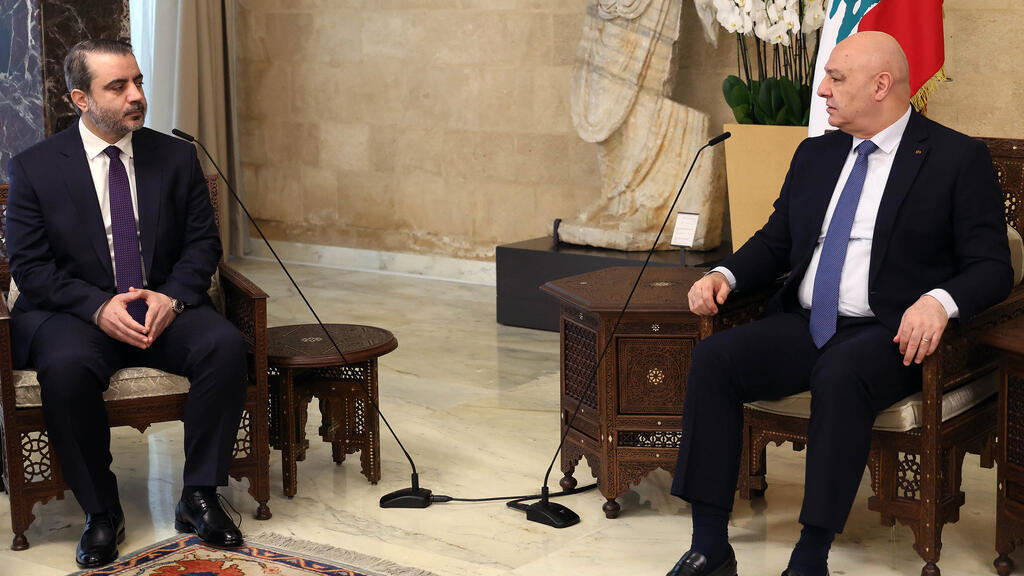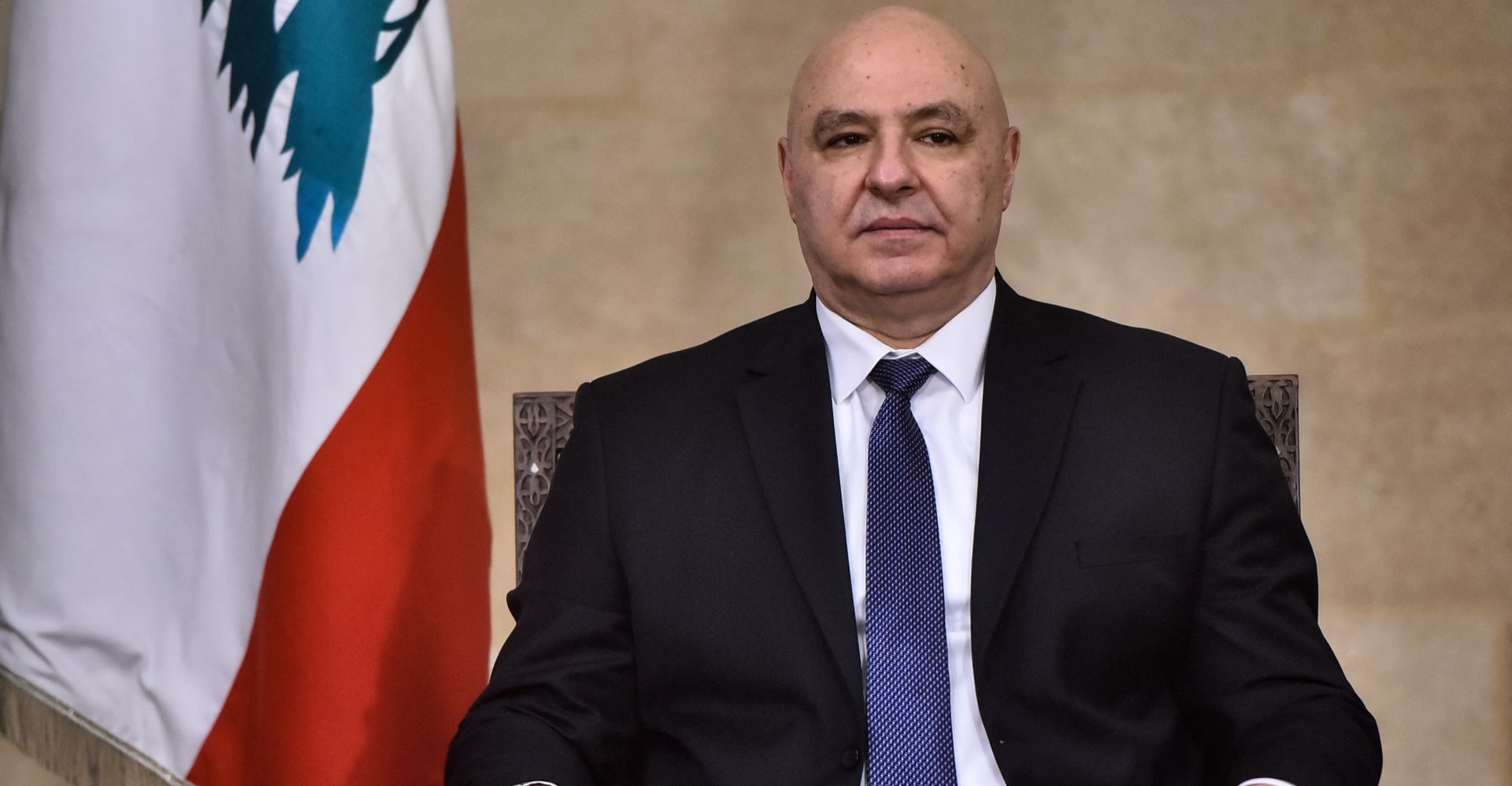
Lebanese President Joseph Aoun stated on Friday that Lebanon's sovereign decision-making process operates independently of the Iranian-American diplomatic track. Speaking on the matter, President Aoun emphasized the importance of peaceful resolution, asserting that "true strength lies not in waging war but in having the courage to end it through negotiations." His remarks showed Beirut's position regarding its national autonomy amidst regional geopolitical dynamics, noting a commitment to self-determination in foreign policy matters. The President's statement on Friday was a clear articulation of Lebanon's stance, aiming to delineate its national interests from the broader diplomatic engagements between Washington and Tehran. This assertion comes at a time when regional stability remains a significant concern for the Lebanese leadership.
Framework Agreement Details
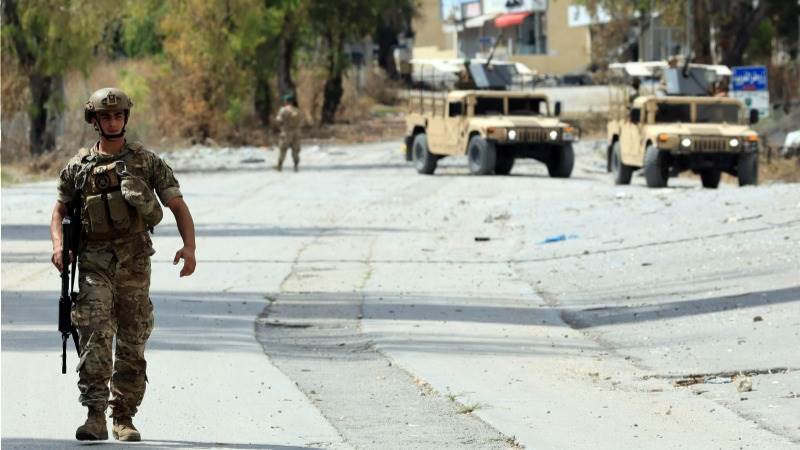
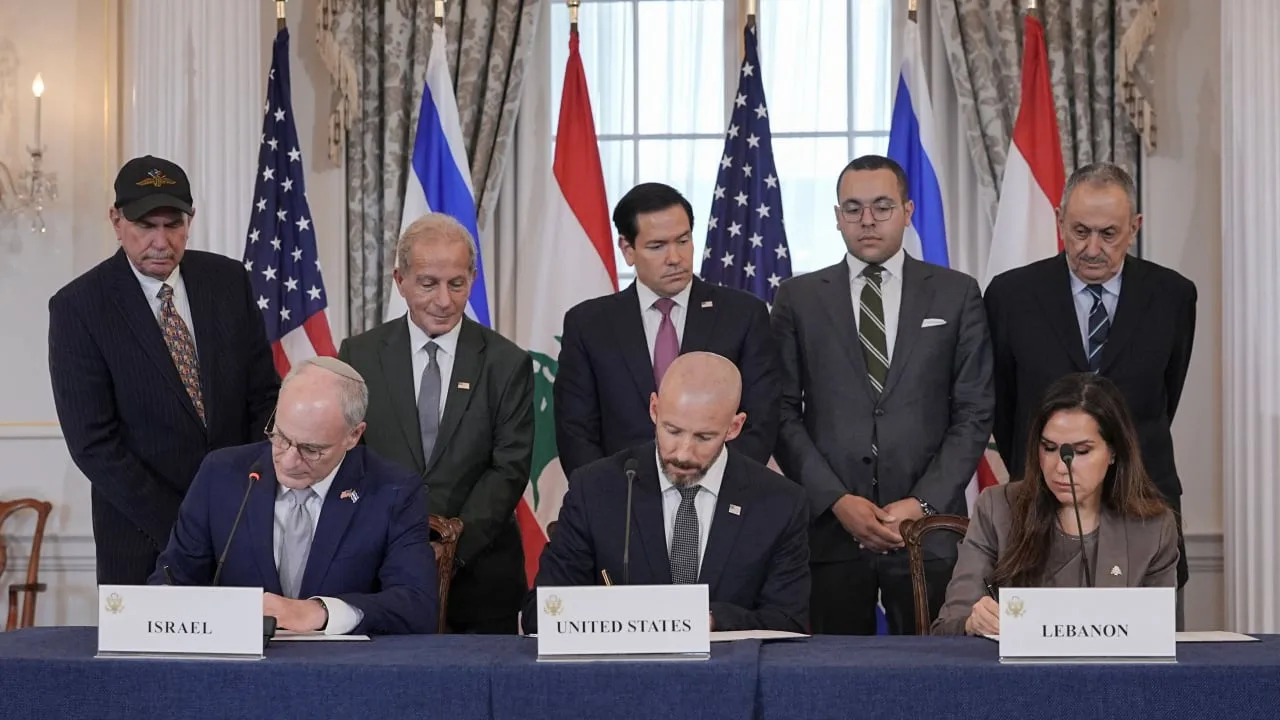
A US official previously indicated that Washington would monitor compliance by both the Lebanese and Israeli militaries with the framework agreement designed to end the conflict between the two countries. This monitoring role shows the international community's interest in the successful implementation of the accord. President Joseph Aoun, during a meeting with trade union delegations, stated that the US-brokered framework agreement with Israel does not legitimize Israel's continued presence in Lebanese territory. Instead, Aoun claimed the agreement provides for the Lebanese army to extend its authority. This extension of authority is seen as a key step towards asserting Lebanese sovereignty over its southern borders. He further affirmed that the Lebanese military will assume full responsibility in southern Lebanon once Israeli forces withdraw from the area. This commitment to deploying the national army aims to fill any security vacuum and ensure the stability of the region following an Israeli pullout, reinforcing Lebanon's territorial integrity and control.
Domestic Stability Concerns
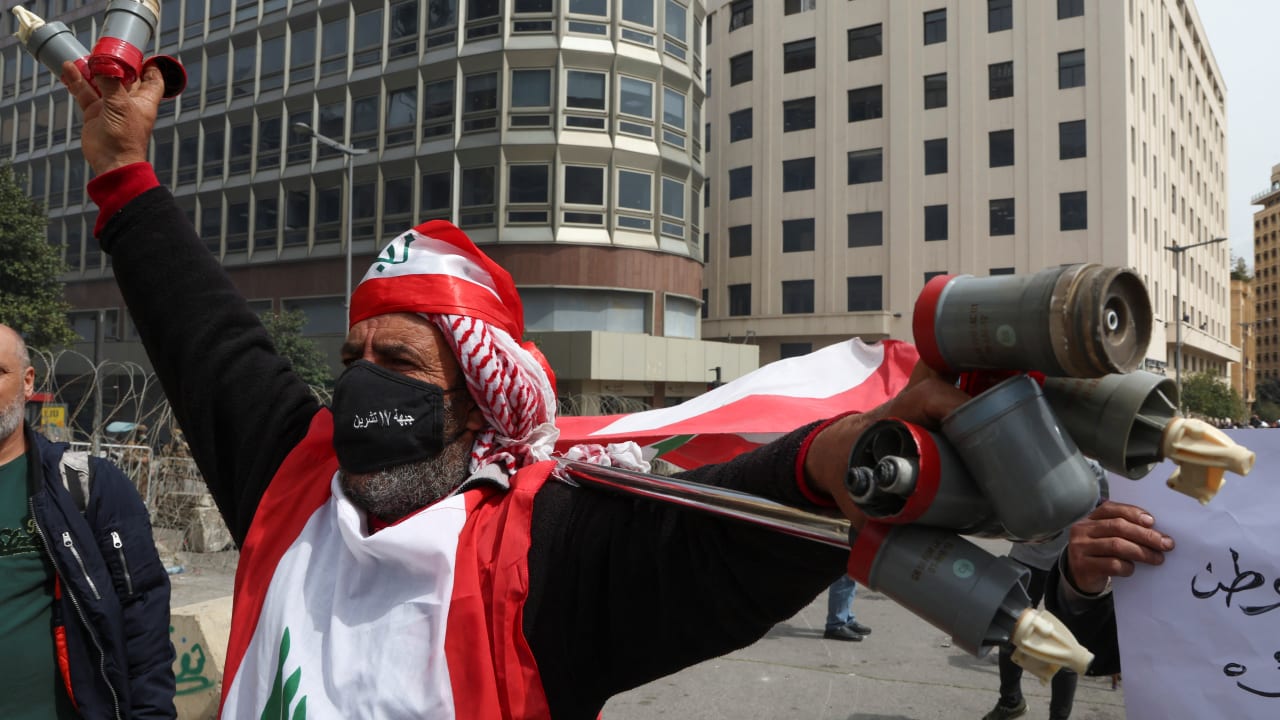
President Joseph Aoun also addressed domestic stability, issuing a warning against actions that could destabilize the country. Aoun stated that attempts to fuel internal unrest or topple the government through street protests constitute "red lines" that must not be crossed. These stern words reflect deep concerns within the Lebanese leadership regarding potential challenges to the current political order and the fragile social fabric. His remarks indicate a firm stance against any perceived efforts to undermine governmental authority or incite widespread public demonstrations that could lead to chaos. This emphasis on maintaining internal stability comes as Lebanon navigates complex regional and domestic pressures, including economic challenges and political divisions. The President's warning serves as a reminder of the government's resolve to uphold law and order and prevent any actions that could plunge the nation into further turmoil.
Regional Reactions
Hezbollah Secretary-General Naim Qassem voiced criticism regarding the framework agreement, asserting that it diminishes Lebanon's strategic position. Qassem stated that "it undermines Lebanon's leverage following the US-Iran memorandum of understanding." His comments reflect a perspective that links the agreement's implications for Lebanon directly to broader diplomatic engagements between the United States and Iran, suggesting a perceived weakening of Lebanon's negotiating power. The statement by Qassem indicates a dissent within the regional political landscape concerning the perceived outcomes of the US-brokered deal. This reaction notes differing interpretations of how international agreements impact Lebanon's national interests and its standing on the regional stage. The criticism from Hezbollah shows the complex array of domestic and regional actors whose views must be considered in the implementation and long-term impact of such agreements on Lebanese sovereignty and security.