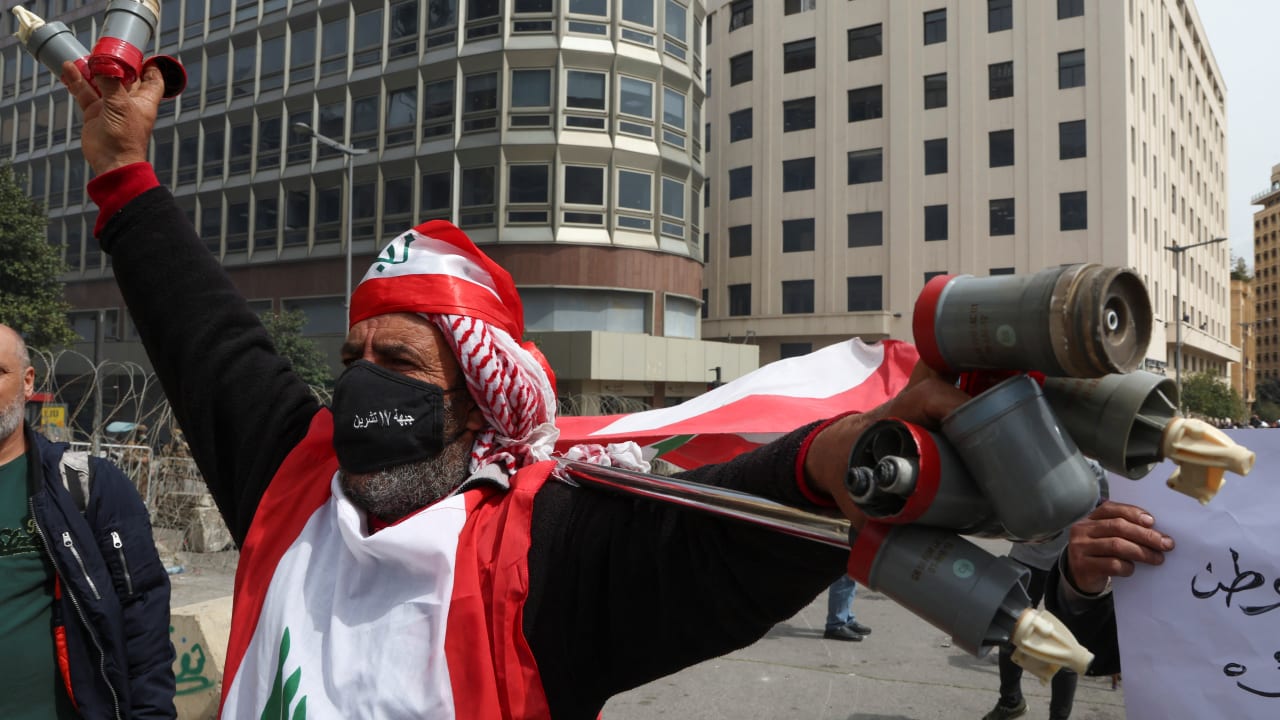
Lebanese President Joseph Aoun stated Friday that a framework agreement signed with Israel aims to empower the Lebanese army rather than legitimize Israeli occupation. Aoun clarified that the framework 'does not legitimize the continued Israeli occupation of Lebanon, but provides for empowering the Lebanese army to extend its control over all Lebanese territory.' He added that the army will 'fully assume its responsibilities in achieving security and stability in the south after the withdrawal of Israeli forces.' This assertion shows the Lebanese government's perspective on the accord. Aoun also commented on Lebanon's independent foreign policy, saying, "Our sovereign decision to separate our track from the Iranian-US track is a problem for some who have become accustomed to being under guardianship that controls us, decides for us and negotiates on our behalf." This statement notes a perceived resistance to external influence on Lebanon's diplomatic decisions.
Agreement Details and Goals
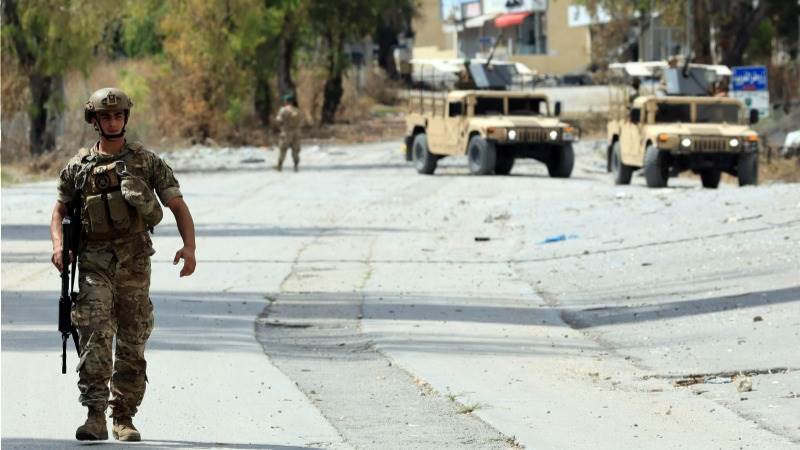
The agreement does not establish a timetable for a complete withdrawal, instead linking further pullbacks to the Lebanese army assuming security responsibilities and the disarmament of non-state armed groups, including Hezbollah. This conditionality is a central aspect of the framework. Hezbollah, a prominent non-state actor, declared the agreement "null and void," asserting that it crossed "all red lines." Lebanese officials have characterized the accord as a "first step" toward re-establishing state sovereignty across all Lebanese territory. This move is also intended to enable displaced residents to return to their towns, addressing a significant humanitarian concern. The agreement's focus on empowering the Lebanese army to extend its authority across the country's territory is seen by officials as key for national control.
President Aoun's Clarification
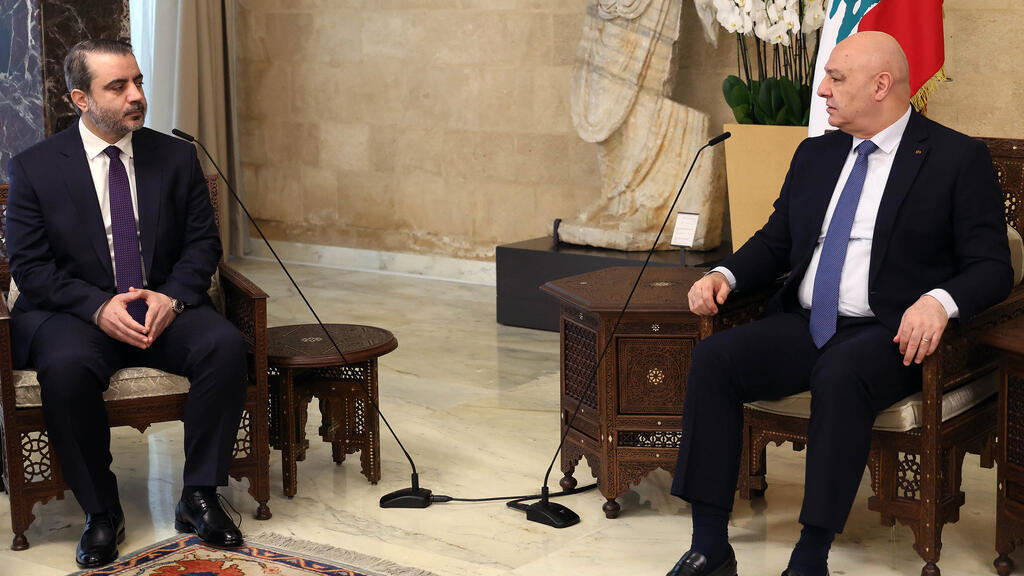
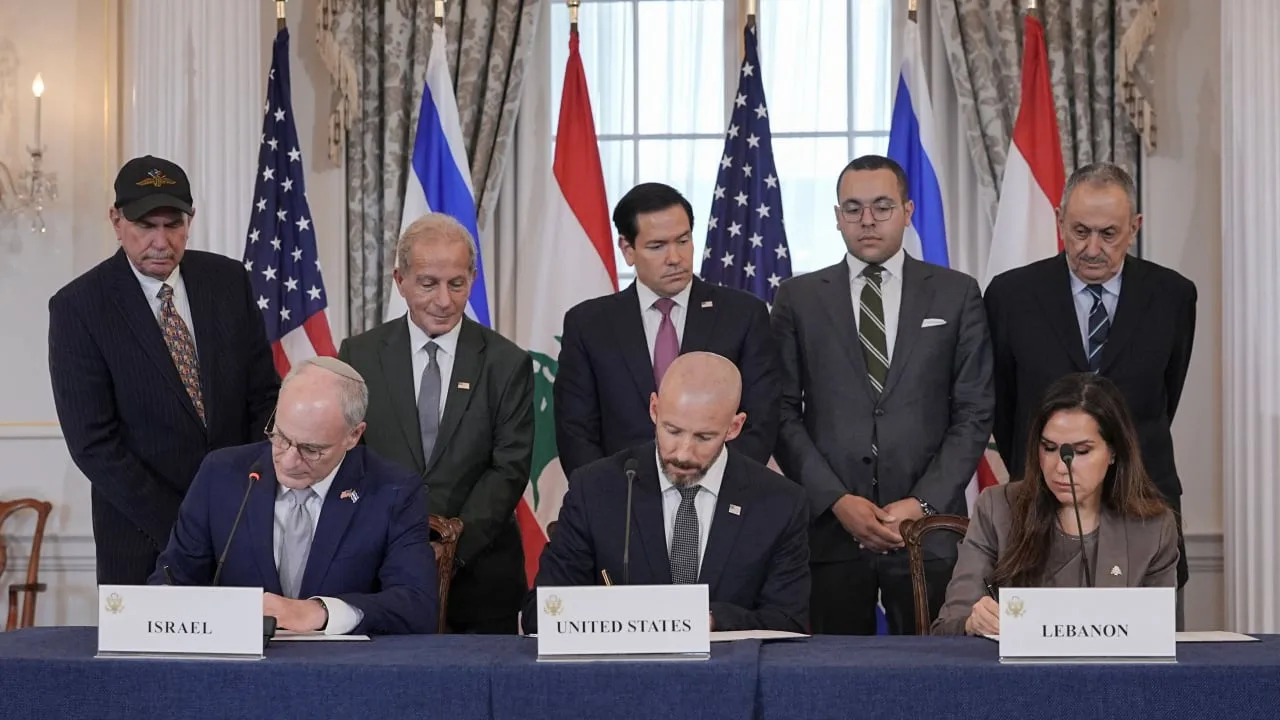
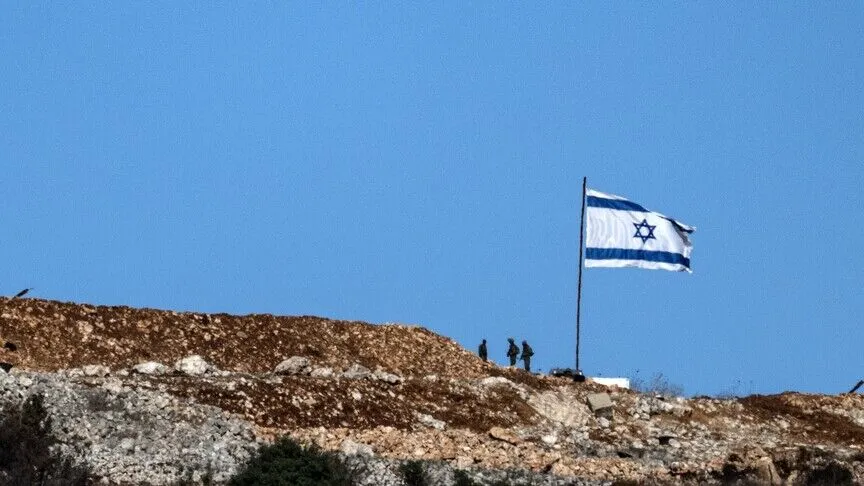
Last Friday, Beirut and Tel Aviv signed a US-mediated framework agreement providing for a phased Israeli withdrawal from Lebanese territory, commencing with two unspecified pilot areas. This agreement follows recent territorial changes, as Israel seized additional territory during the 2023-2024 war and advanced more than 10 kilometers (6.2 miles) into Lebanese territory during the current offensive. President Joseph Aoun made his remarks during a meeting with a delegation from the Association of Lebanese Universities, the Lebanese Order of Physicians, and the Lebanese Maronite Order, according to a statement released by the presidency. During this meeting, President Aoun emphasized that the framework agreement 'does not legitimize the continued Israeli occupation of Lebanon' but instead empowers the Lebanese army to extend its authority across the country's territory. This clarification aimed to address concerns regarding the implications of the agreement.
Hezbollah's Rejection
Hezbollah immediately rejected the framework agreement, labeling it as "null and void." The group asserted that any attempt to link an Israeli withdrawal to its disarmament crossed "all red lines." Hezbollah, a prominent non-state actor in Lebanon, declared that such conditions were unacceptable. The organization's statement underlined its opposition to the accord's provisions regarding the disarmament of non-state armed groups, a key component of the agreement's goals for re-establishing state sovereignty. This stance sets Hezbollah apart from Lebanese officials who have characterized the accord as a "first step" toward broader state control and the restoration of national authority. The group's strong reaction notes the significant internal divisions regarding the framework's terms.
Context of Conflict
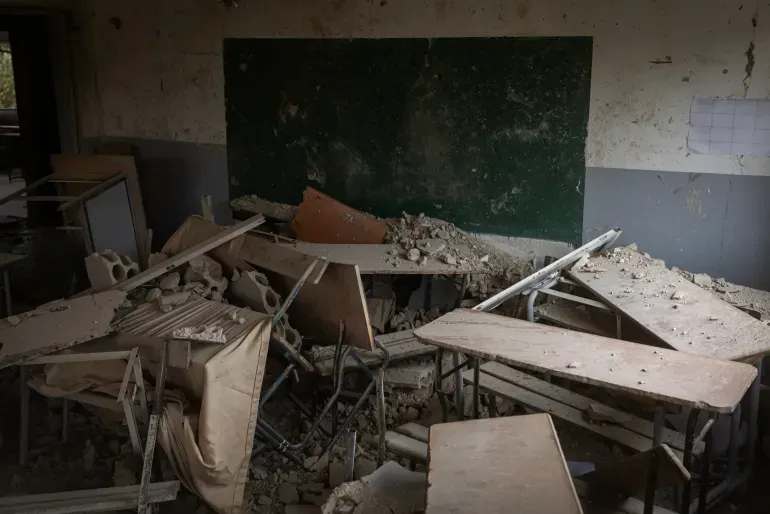
Israel has occupied parts of southern Lebanon for years, with some areas having been under occupation for several decades. This long-standing presence forms a backdrop to ongoing regional tensions and the necessity of such agreements. The historical context of Israeli occupation of Lebanese territory is a critical element in understanding the current negotiations and the Lebanese government's stated objectives. Meanwhile, Lebanon's Health Ministry reported Thursday that Israeli attacks since March 2 have resulted in at least 4,298 fatalities and 12,196 injuries. The ministry’s figures highlight the human cost of the conflict in the region, showing the urgency of achieving stability and security. These casualties reflect the severe impact of the ongoing hostilities on the civilian population.