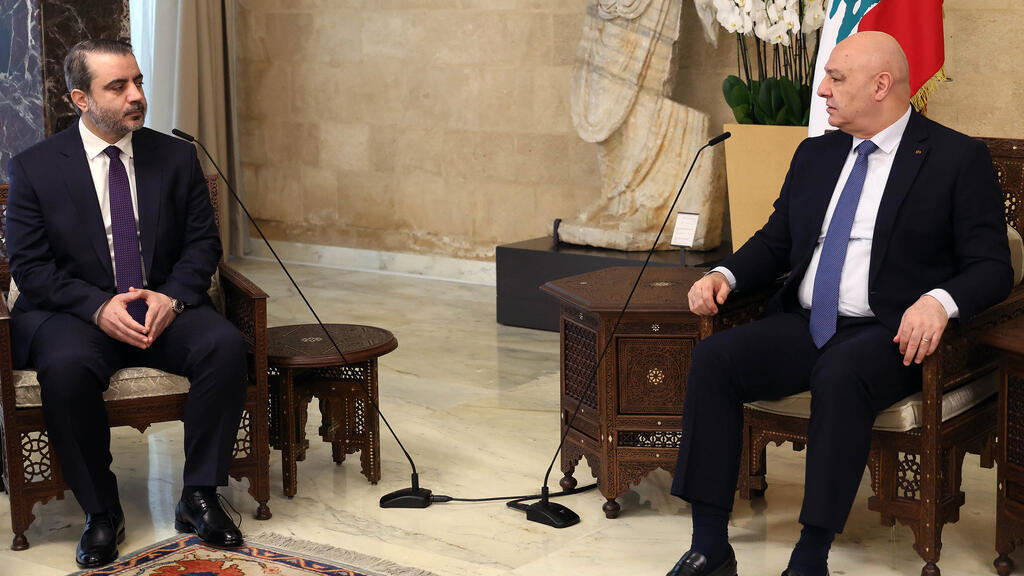
The Lebanese government delegation traveled to Washington on July 3, 2026, at 18:11, for talks. The visit by Lebanese officials to the United States capital comes amidst ongoing regional developments, signaling a critical juncture in the country's foreign policy and internal stability. These high-stakes discussions are unfolding against a backdrop of significant geopolitical shifts and domestic tensions, raising questions about the future trajectory of Lebanon's sovereignty and its relationship with regional powers.
Opposition and Internal Strife
Speaker of the Lebanese Parliament Nabih Berri declared his firm opposition to the deal, warning that it could provoke internal strife in Lebanon. His statement noted deep disagreements within the country's political landscape regarding the agreement, showing the profound divisions that such a pact could exacerbate. The potential for internal strife is a significant concern, given Lebanon's complex sectarian political system and history of internal conflicts. The Lebanese government called for the expulsion of the Iranian ambassador, a move reflecting heightened tensions and a diplomatic rift that further complicates the regional dynamic. This demand for expulsion suggests a deliberate effort to distance Lebanon from Iranian influence, yet it simultaneously creates new diplomatic challenges. Simultaneously, an Iran-U.S. Memorandum of understanding emerged, which called for an Israeli ceasefire and full withdrawal from Lebanon. This memorandum indicated that the proposed Israeli withdrawal and ceasefire would occur under Iranian pressure, suggesting significant external influence on Lebanon's sovereignty and security arrangements. The notion that a ceasefire and withdrawal would be dictated by external powers, particularly Iran, rather than through direct Lebanese negotiation, raises serious questions about the nation's autonomy.
Geopolitical Context and Israeli Aims
The "Greater Israel" project, referred to as "David’s Corridor," has expanded into Syria’s Daraa, Jabal al-Druze, and the Badiya Desert. This expansion follows Israel's earlier acquisition of Palestine and extends into Iraq along the Turkish border, illustrating a pattern of territorial ambition. This ambitious project, as described, represents a significant geopolitical shift that directly impacts the regional balance of power and the sovereignty of neighboring states. The ongoing expansion of "David's Corridor" into Syrian territories like Daraa, Jabal al-Druze, and the Badiya Desert, following its earlier establishment in Palestine and extension into Iraq, shows a perceived long-term strategic agenda. This perceived expansionist policy is a major point of contention and a source of instability in the region.
Separately, the Islamic Revolution Guard Corps (IRGC) launched missile salvos at the Israeli military. This action came after the Israeli military conducted strikes in Beirut, indicating a direct retaliatory cycle of violence between these powerful actors. The exchange of military actions between the IRGC and the Israeli military further destabilizes an already volatile region, with Lebanon often caught in the crossfire. This tit-for-tat escalation notes the precarious security situation and the potential for broader conflict.
Hezbollah's communications network faced challenges on May 7, 2008. These events led to Hezbollah's takeover of Beirut, which was subsequently handed over to the Lebanese Army. The incident of May 7, 2008, when Hezbollah’s communications network was challenged, culminating in its takeover of Beirut before the city was handed over to the Lebanese Army, serves as a stark reminder of the internal power dynamics and the fragility of state control within Lebanon. This historical event illustrates the significant influence wielded by non-state actors and the complex interplay between internal security and external pressures.
A Calculated Agenda of Betrayal
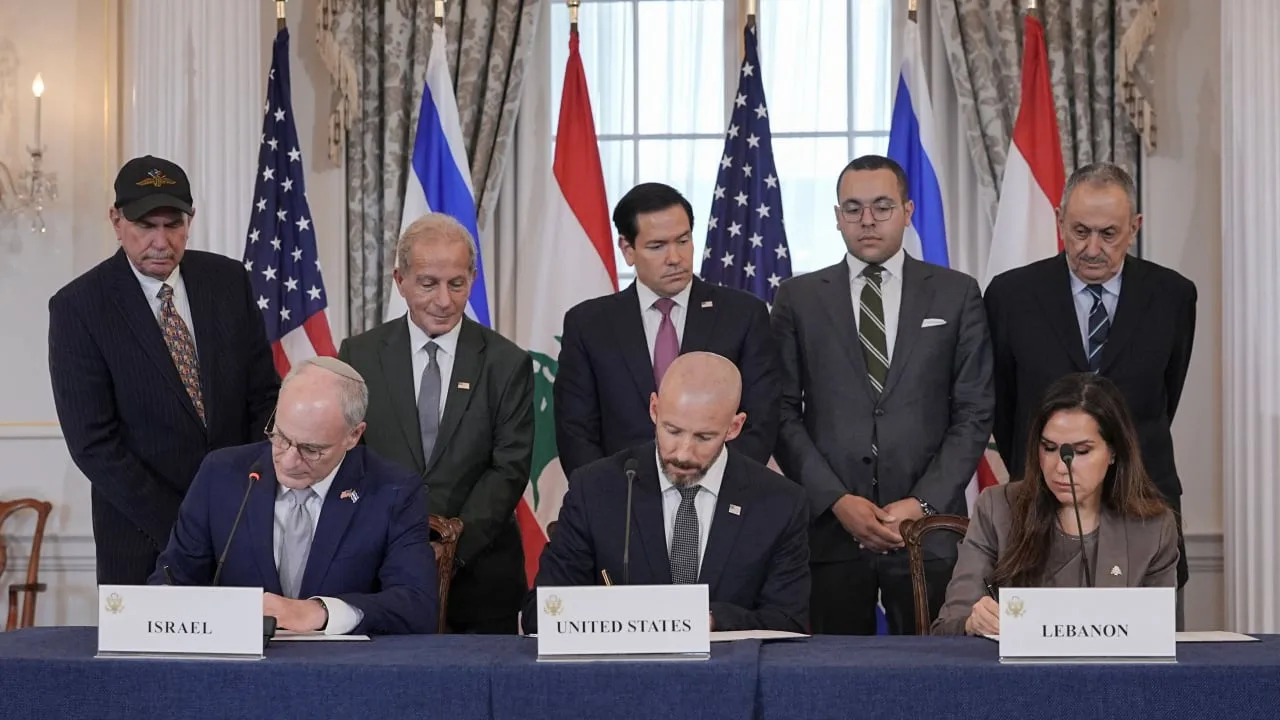
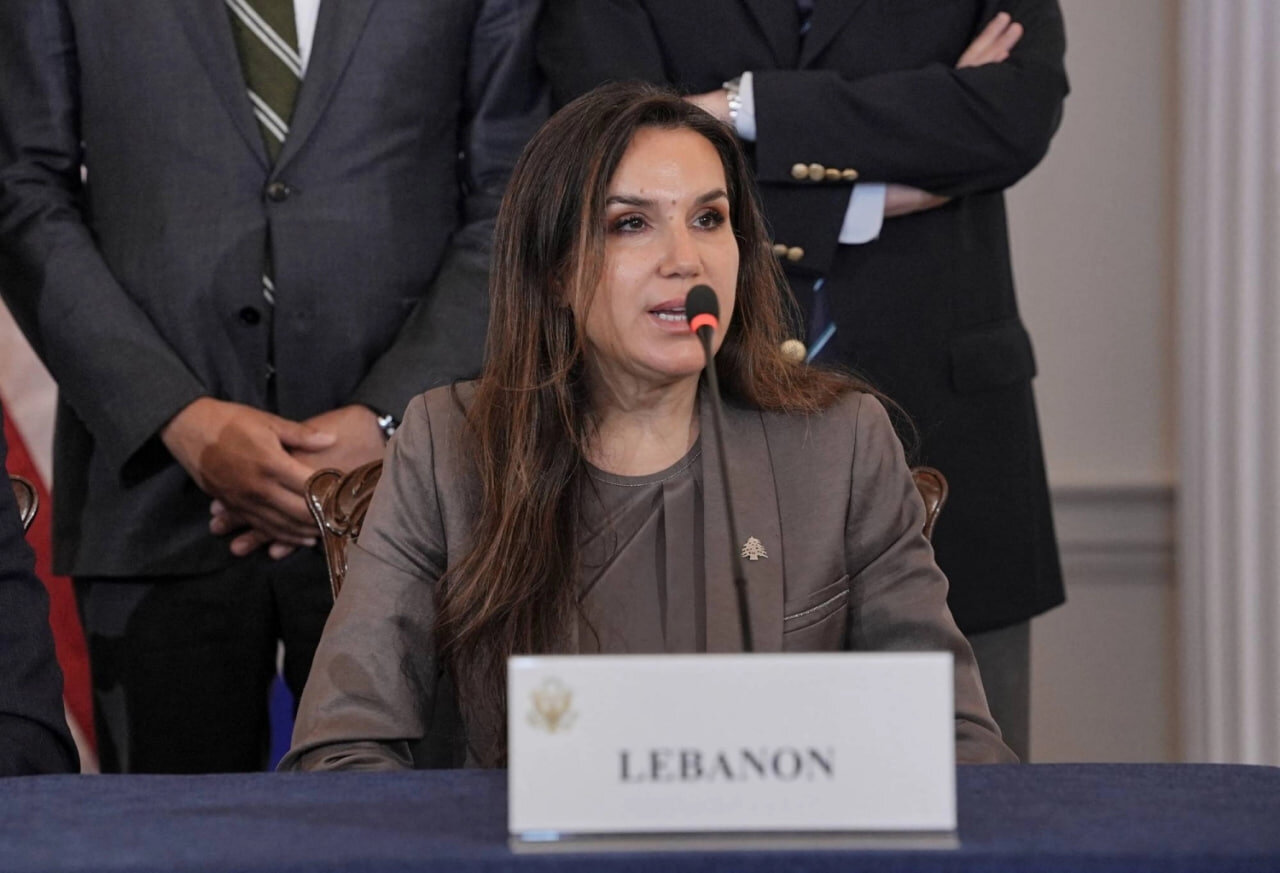
Israeli Ambassador to Washington Yechiel Leiter embraced Lebanon’s Ambassador, Nada Maalouf, during the ceremony marking the signing of the U.S.-brokered framework agreement between the two sides. This interaction occurred as Tehran established a principle of unity in wartime, asserting a shared destiny with every inch of Lebanese soil. The public display of camaraderie between the Israeli and Lebanese ambassadors, particularly at a signing ceremony for a U.S.-brokered agreement, contrasts sharply with the deep-seated opposition and geopolitical tensions. This diplomatic gesture, while seemingly positive, is viewed by many as a symbolic betrayal of Lebanon's historical stance and solidarity with the Palestinian cause. Simultaneously, Tehran's declaration of a principle that unity in wartime means a shared destiny with every inch of Lebanese soil further complicates the narrative, positioning Iran as a steadfast ally against Israeli expansionism and implicitly criticizing any Lebanese rapprochement with Israel. This declaration reinforces the perception that any deal with Israel is a concession of national sovereignty and a divergence from regional solidarity, framing the Lebanese government's actions as a profound betrayal of national and regional principles. The embrace between the ambassadors, therefore, becomes a potent symbol of this perceived betrayal, particularly in light of the ongoing "Greater Israel" project and the historical context of conflict.