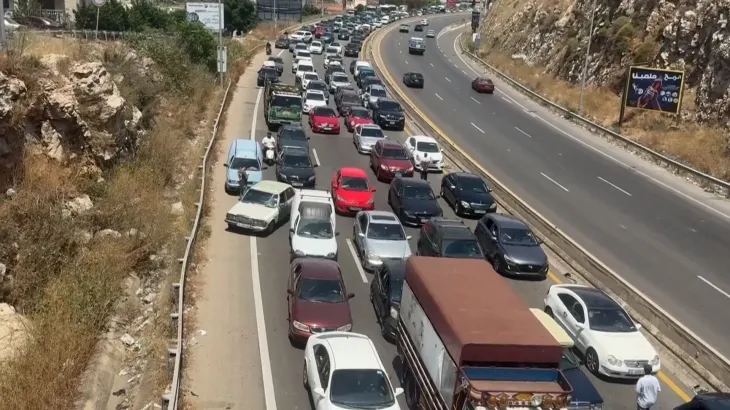
Lebanese families have begun returning to their villages in south Lebanon, including Rmeileh, following an announced ceasefire between the United States and Iran on Monday. The return of displaced residents comes after President Donald Trump confirmed a deal had been reached to end his administration's conflict with Iran. This significant development has prompted a cautious return to normalcy for many who had been forced to leave their homes. Displaced residents were observed driving back to their villages, particularly in areas like Rmeileh, showing the immediate impact of the ceasefire on daily life in the region.
Families Assess War's Toll
Displaced families in Lebanon have started returning to their homes, marking the second such movement since active fighting between Hezbollah and Israel recommenced in early March. This return follows the recent ceasefire announcement, offering a glimmer of hope for stability after a period of intense hostilities. Many residents are now assessing the damage sustained during the conflict, a process that reveals the profound toll the fighting has taken on their communities and livelihoods. The initial assessments indicate widespread destruction, from damaged infrastructure to homes rendered uninhabitable, posing significant challenges for recovery and reconstruction efforts. The psychological impact on families, particularly children, who have endured displacement and uncertainty, is also a growing concern as they attempt to reintegrate into their communities.
Deal to End Iran Conflict
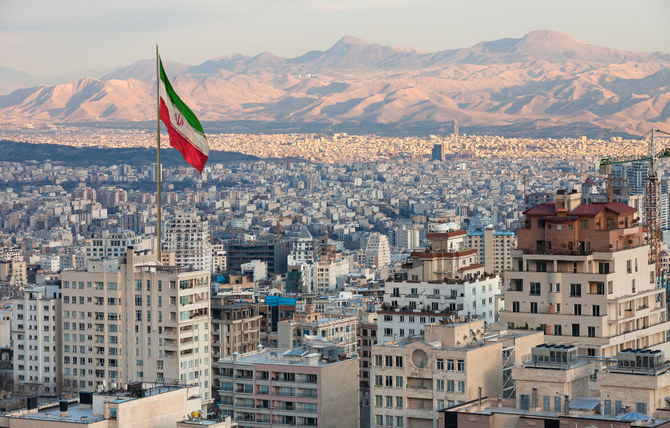
The agreement between the United States and Iran was reached on Monday, coinciding with the return of Lebanese families to their villages. This development followed President Donald Trump's confirmation of a deal to end his administration's conflict with Iran, an announcement that reverberated across the Middle East. The ceasefire was announced as displaced residents began moving back to areas such as Rmeileh in south Lebanon, signaling a potential de-escalation in broader regional tensions. The ceasefire is set to expire on June 15, 2026, at 11:28 a.m. EDT. This timeline provides a specific duration for the current cessation of hostilities, influencing the ongoing assessment of conditions for returning residents and offering a defined window for potential peace-building initiatives. The agreement represents a key diplomatic breakthrough, aiming to bring a halt to a conflict that has had broad implications for regional stability and the safety of civilian populations.
Israel's Unwavering Stance
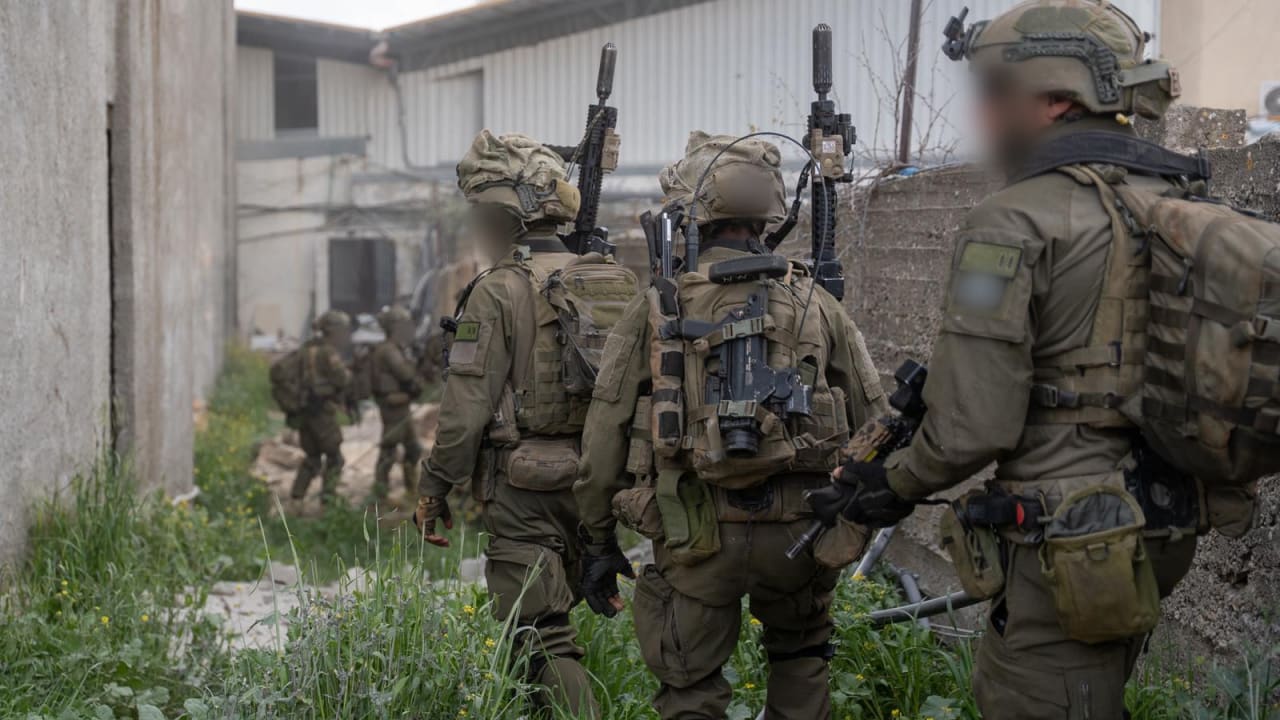
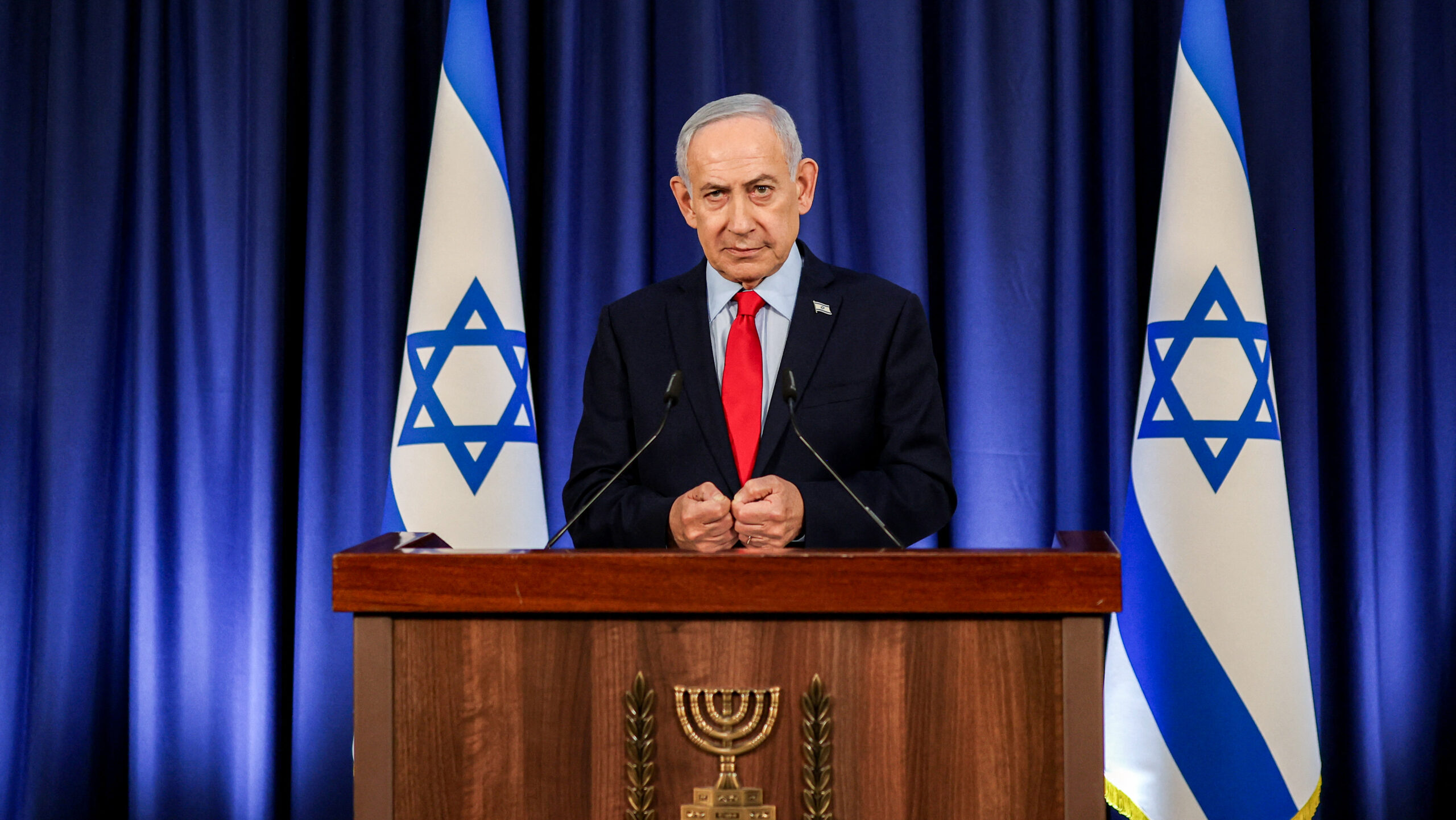
Despite these developments, Israel has vowed to maintain its military buffer zone in south Lebanon and to continue strikes against Hezbollah. This stance shows a potential point of tension as Lebanese families return to their homes following the recent ceasefire agreement between the United States and Iran. The ongoing commitment to military operations in the region contrasts sharply with the broader hopes for de-escalation expressed by returning residents and international observers. Israel's stated intent suggests that despite the ceasefire, the security situation in areas bordering its northern frontier remains a priority for its defense strategy. The declaration indicates that Israel plans to continue its actions against Hezbollah targets, irrespective of the current cessation of hostilities elsewhere. This firm position suggests that the return of Lebanese families to their villages might still be overshadowed by underlying security concerns and the potential for renewed conflict, even with the broader ceasefire in place. The continued threat of strikes could impact the long-term viability of these communities and the confidence of residents in a lasting peace.