Lebanese activists Mahmoud Shuaib, a Shi'ite critic of Hezbollah from southern Lebanon, and Dr. Alfred Riachi, secretary-general of the Permanent Federal Congress, are currently facing legal action from the Lebanese judiciary. The judicial proceedings against the two men stem from their criticism of Hezbollah and their stances on normalization with Israel. Dr. Riachi was reportedly summoned for questioning over a post he made on X, formerly Twitter. His post featured the leaders of Israel, Lebanon, and the US, accompanied by the caption “A #PathToPeace meeting... Coming “very soon”? Yes to the peace of the brave…,”. This particular social media activity drew the attention of authorities and became a focal point in the legal action initiated against him. The summons for questioning over this X post notes the scrutiny faced by public figures expressing views on sensitive political topics.
Shuaib's Arrest and Charges
Mahmoud Shuaib was arrested at the Nabatieh Police Station following orders from Public Prosecutor Judge Najat Abu Shaqra. The arrest of Shuaib, a prominent Shi'ite critic of Hezbollah from southern Lebanon, occurred on Friday. Charges against Shuaib included "espionage." Some reports also indicated that his criticism of the judiciary was part of the accusations, suggesting a multi-faceted approach to the legal challenges he faces. Shuaib, a Shi'ite critic of Hezbollah from southern Lebanon, was detained on Friday. His detention lasted through the weekend before he was released on Monday, showing the swift but temporary nature of his incarceration. The legal proceedings against Shuaib are part of a broader context of judicial actions targeting activists in Lebanon who voice criticism of Hezbollah and express views on normalization with Israel, reflecting a pattern of legal pressure against dissenting voices.
Riachi's Legal Proceedings
Dr. Alfred Riachi confirmed that proceedings had been initiated against him by Lebanon's public prosecutor. This action followed a lawsuit filed by lawyers affiliated with Hezbollah, directly linking the legal challenge to the powerful political and military organization. Riachi was reportedly summoned over an X post he made, featuring the leaders of Israel, Lebanon, and the US with the caption “A #PathToPeace meeting... Coming “very soon”? Yes to the peace of the brave…,”. This specific social media post, advocating for a "Path to Peace," became the basis for the judicial inquiry. The legal challenge against Dr. Riachi is part of ongoing judicial scrutiny faced by activists in Lebanon who criticize Hezbollah and express views on potential normalization with Israel, indicating a concerted effort to curb such discourse. His case, alongside that of Mahmoud Shuaib, notes the pressures on individuals discussing sensitive political topics in the country. The lawsuit from Hezbollah-affiliated legal representatives shows the organized nature of some of the judicial complaints, suggesting a coordinated strategy to address perceived transgressions. Hezbollah-affiliated lawyers filed complaints over comments made by Shuaib and Riachi that were deemed critical of the terror group and supportive of normalization with Israel, illustrating the specific nature of the allegations.
Broader Context of Repression
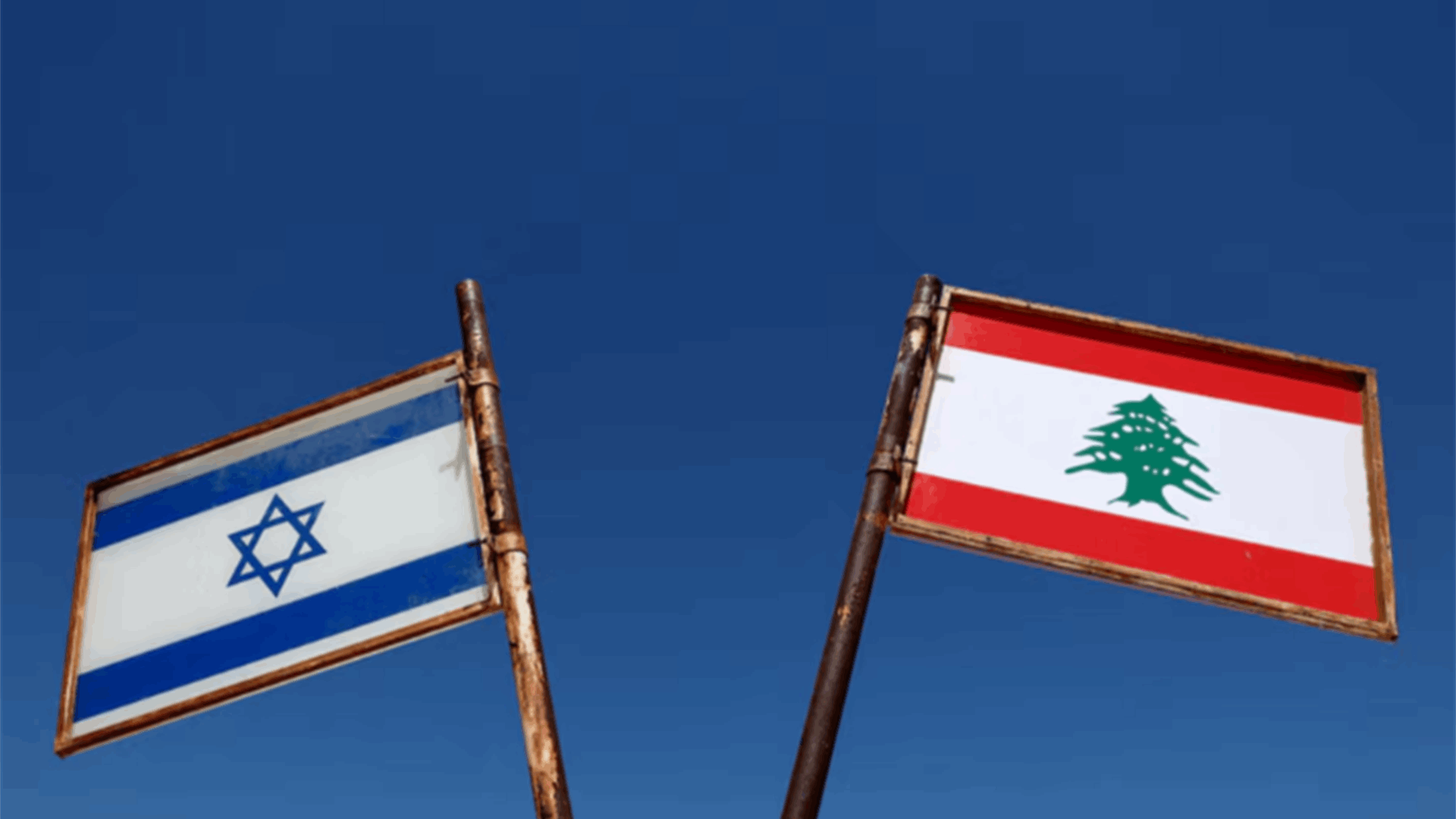
The legal challenges against activists occur within a climate where criticism of powerful groups can lead to repercussions. Mahmoud Shuaib's then-14-year-old daughter, Waad Shuaib, was previously abducted by Hezbollah in 2021 while she was conducting a public opinion poll in southern Lebanon. This incident involving his daughter adds a layer of personal vulnerability to the broader context of judicial and extra-judicial pressures faced by critics. Waad Shuaib was held in the Nabatieh municipality building during that incident, providing specific details about her abduction. This past event serves as a stark reminder of the potential consequences for those who challenge powerful entities in Lebanon. Separately, Beirut and Jerusalem, with Washington's mediation, have been engaged in discussions aimed at an agreement for an Israeli withdrawal from Lebanese territory, contingent on guarantees addressing Israel's security concerns regarding Hezbollah attacks. These talks are a significant diplomatic development, indicating complex regional dynamics. Hezbollah and its supporters have publicly condemned these talks, asserting that any ceasefire should be negotiated through Iranian channels, thereby rejecting the Washington-mediated process and emphasizing their alignment with Iran. This stance further illustrates the deep political divisions within Lebanon regarding foreign policy and regional relations. Hezbollah and its supporters have condemned the talks, insisting that any ceasefire be reached through the Iranian channel, clearly articulating their preferred diplomatic route.
Concerns Over Rights
Hezbollah-affiliated lawyers filed complaints regarding comments by Mahmoud Shuaib and Dr. Alfred Riachi, which they deemed critical of the group and supportive of normalization with Israel. These complaints initiated the legal proceedings against both activists, demonstrating the direct link between their public statements and the judicial actions. Media reports suggest Shuaib's arrest was politically motivated, based on fabricated charges following complaints from pro-Hezbollah figures. This perspective raises serious concerns about the impartiality of the legal system and the potential weaponization of justice against political opponents. Separately, Lebanese academic and Hezbollah critic Dr. Zena Mansour was summoned to the General Security Directorate’s Information Affairs Office last month, indicating that the pressure extends beyond the two current cases. Dr. Mansour described the summons as "an attempt to put ideas on trial, silence debate, and scare anyone dreaming of a safe, peaceful Lebanon," articulating the chilling effect such actions have on freedom of expression and intellectual discourse in the country. The pattern of summons and legal actions against critics suggests a systematic effort to control narratives and suppress dissent, particularly concerning Hezbollah's role and potential normalization with Israel. These events collectively highlight a concerning trend regarding civil liberties and freedom of speech in Lebanon.