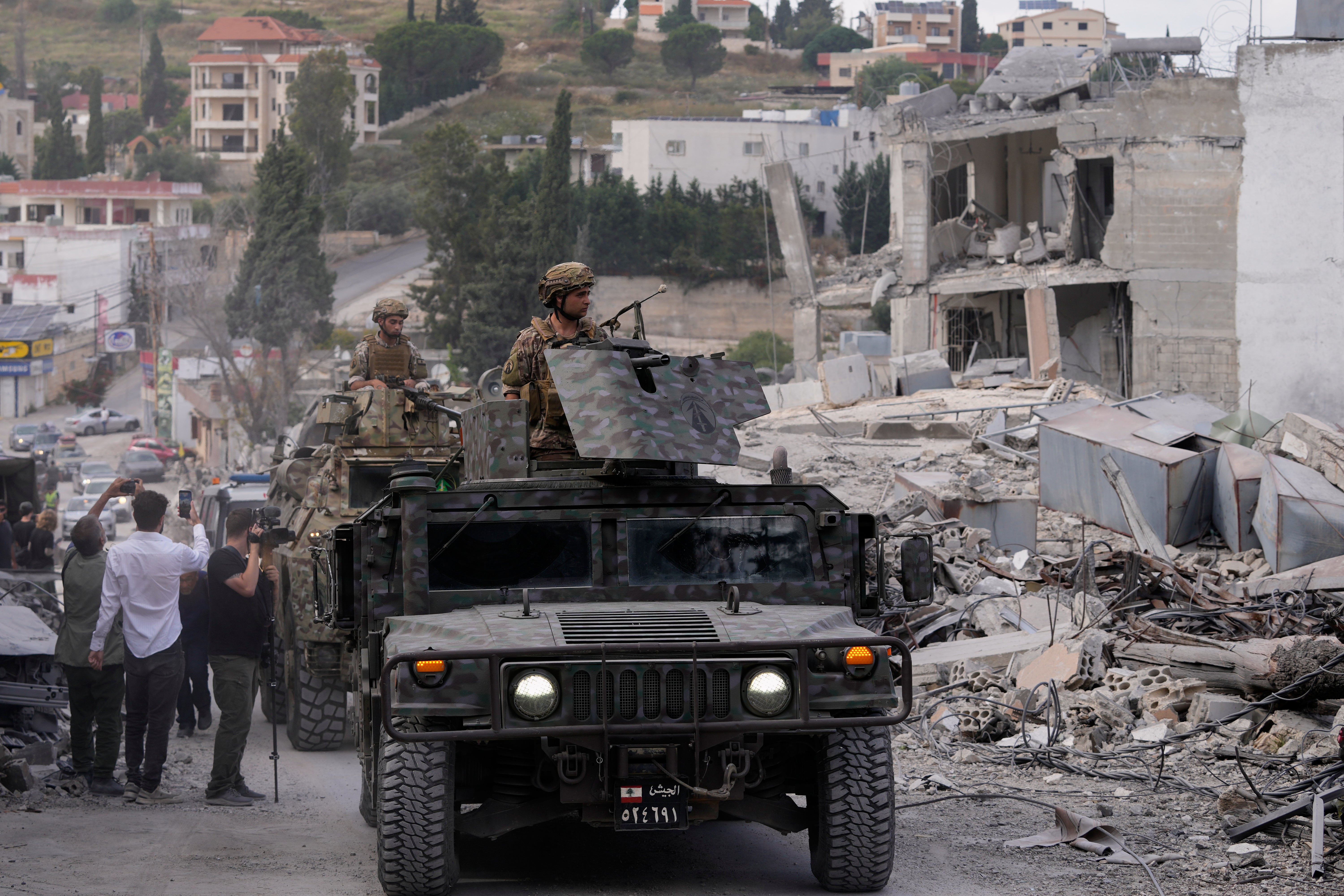
Donald Trump recently asserted on social media that Israel should cease all attacks in Lebanon, a direct and unequivocal statement that comes as part of his broader foreign policy objectives for the Middle East. Trump posted, "no more attacks by Israel anywhere in Lebanon," outlining this as a key condition for his proposed regional strategy. The former U.S. President further elaborated on Truth Social that an intended "Great Deal" seeks to establish "peace to the region including Lebanon," suggesting a full and ambitious approach to stability in the Middle East. This declaration shows a significant divergence from current Israeli military actions and presents a potential point of contention as diplomatic efforts unfold.
Israeli Occupation and Escalation Continues
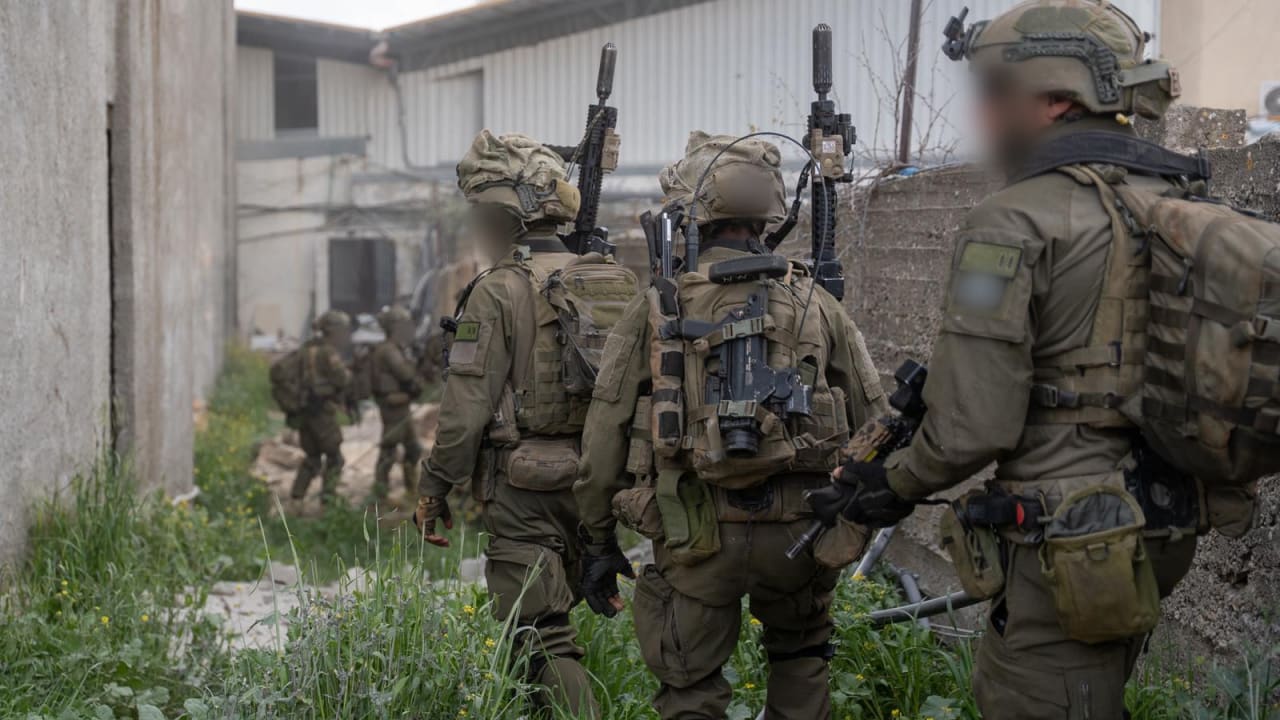
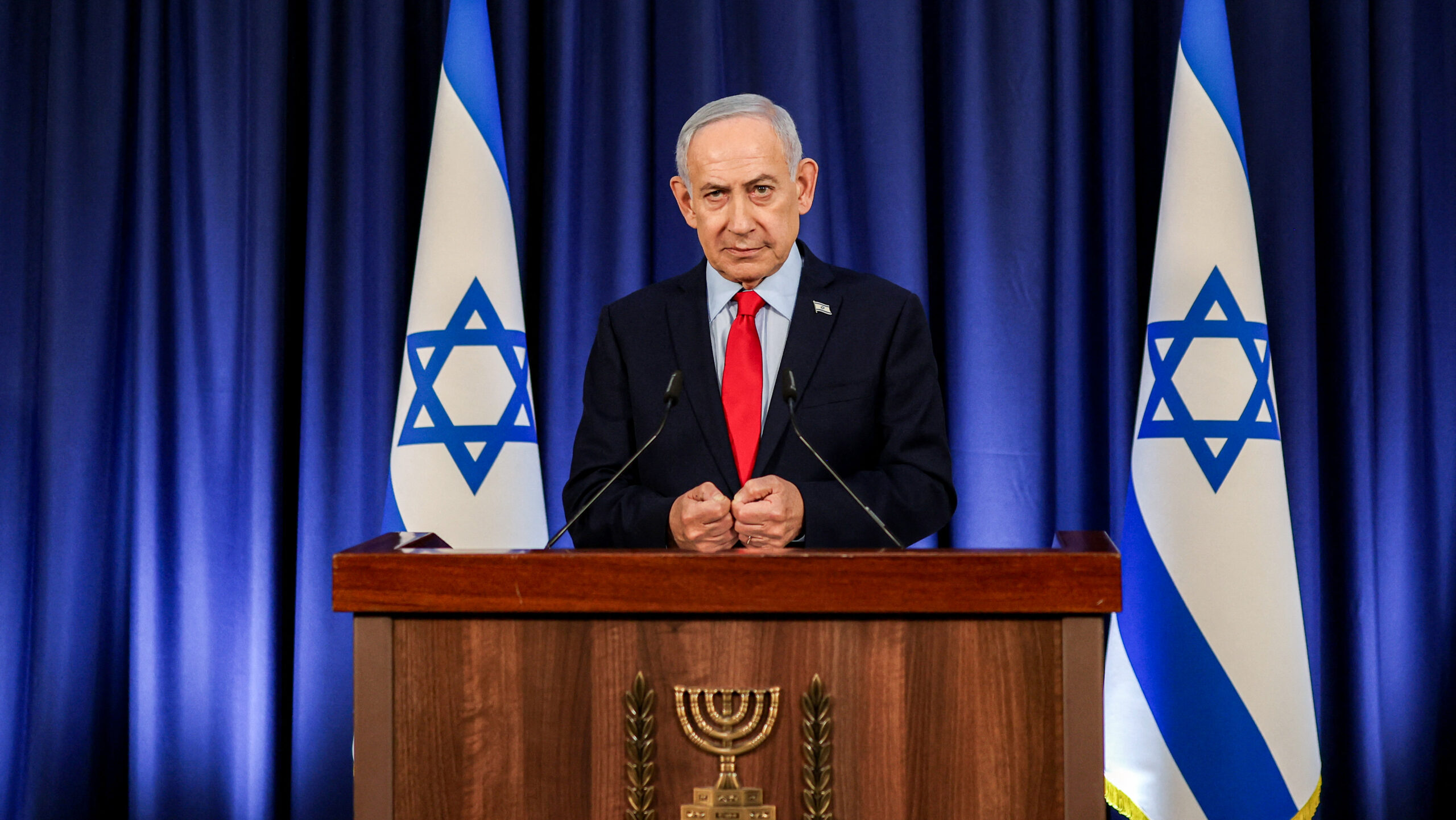
Israel's defense minister, Israel Katz, stated on Monday that Israeli troops would remain "indefinitely" deployed in land Israel is occupying in Lebanon. Katz's comment showed Israel's firm position on its military presence, despite growing international calls for de-escalation and withdrawal. His use of the word "indefinitely" signaled a long-term strategic commitment regarding the occupied territories, indicating no immediate plans for a pullout. This stance directly contrasts with Trump's public demand for an end to Israeli attacks in the country.
Despite an existing truce, Israel has continued to bomb swathes of Lebanon, pushing deeper into Lebanese territory. These actions have intensified concerns about the stability of the region and the potential for a broader, more devastating conflict. Reports indicate that these ongoing military operations have targeted various locations across the Lebanese landscape, demonstrating a persistent engagement even in the face of diplomatic overtures. The continuation of these strikes raises questions about the effectiveness of existing agreements and the prospects for lasting peace.
Hezbollah has simultaneously pounded multiple parts of Israel in retaliation, escalating the cycle of violence. The group's strikes have added to the volatile security situation along the border, prompting heightened alerts and defensive measures within Israel. These exchanges highlight the ongoing military engagements between the two sides, further complicating efforts towards a lasting peace and regional stability. The escalating military activities by both Israel and Hezbollah have drawn significant international attention, with concerns mounting over the humanitarian impact and broader regional implications, particularly as a major diplomatic initiative is on the horizon.
Trump's "Great Deal" and Regional Hopes for Peace
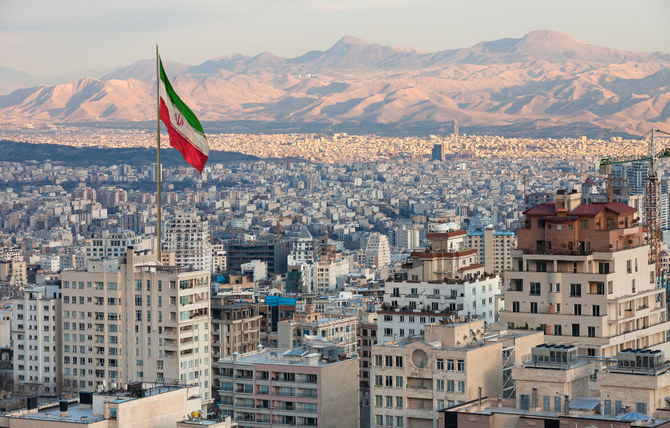
A "Great Deal" with Iran is scheduled to be signed in Switzerland this Friday, an agreement that is central to former President Donald Trump's stated foreign policy objectives for the Middle East. This significant diplomatic development comes as Israeli troops either occupy or have evacuation orders over more than a fifth of Lebanon, according to recent reports. The ongoing military presence and the displacement of civilians show the complex regional dynamics surrounding any potential peace agreement, making Trump's proposed deal all the more ambitious. The signing in Switzerland, a nation known for its neutrality, aims to provide a secure and impartial venue for this high-stakes negotiation. The deal's stated objective to bring "peace to the region including Lebanon" positions it as a full attempt to address long-standing conflicts and instability.
A "truce" between Israel and Hezbollah has ostensibly been in place since April, aiming to de-escalate hostilities along the border and foster a more stable environment. However, Lebanese media reported a drone strike on two locations in southern Israel shortly after the announcement of the Iran deal, casting a shadow over the fragile agreement. This incident suggests continued volatility despite diplomatic efforts and existing agreements, noting the deep-seated tensions that persist. The reported strike notes the challenges in maintaining stability amidst broader regional negotiations, indicating that even with a truce, the situation remains precarious. The ability of the "Great Deal" to truly pacify the region will depend heavily on adherence to such agreements and a cessation of hostilities from all parties involved.
Conflicting Statements and Diplomatic Reactions
Israel's Defense Minister, Israel Katz, further elaborated on the military’s intentions in Lebanon, providing a stark outline of future actions. Katz stated that a "security zone" within Lebanese sovereign territory would be established, a move that would entail significant alterations to the demographic and physical landscape of the area. Katz indicated this zone would be cleared of local residents and "all terrorist infrastructure, including houses in contact villages." This declaration suggests a forceful and full approach to securing Israel's northern border, with profound implications for the civilian population in southern Lebanon. The ongoing actions have already contributed to a significant humanitarian situation in Lebanon, where more than 1.2 million people have been displaced from their homes due to the conflict and military operations, placing immense strain on resources and aid organizations.
Katz also issued a stern warning regarding Iran, stating unequivocally that if Iran attacked Israel due to events in Lebanon, Israel would retaliate. This declaration notes the potential for a broader regional escalation tied not only to the conflict along the Israeli-Lebanese border but also to the wider geopolitical tensions involving Iran. Such a statement shows the interconnectedness of these regional conflicts and the high stakes involved in any perceived aggression.
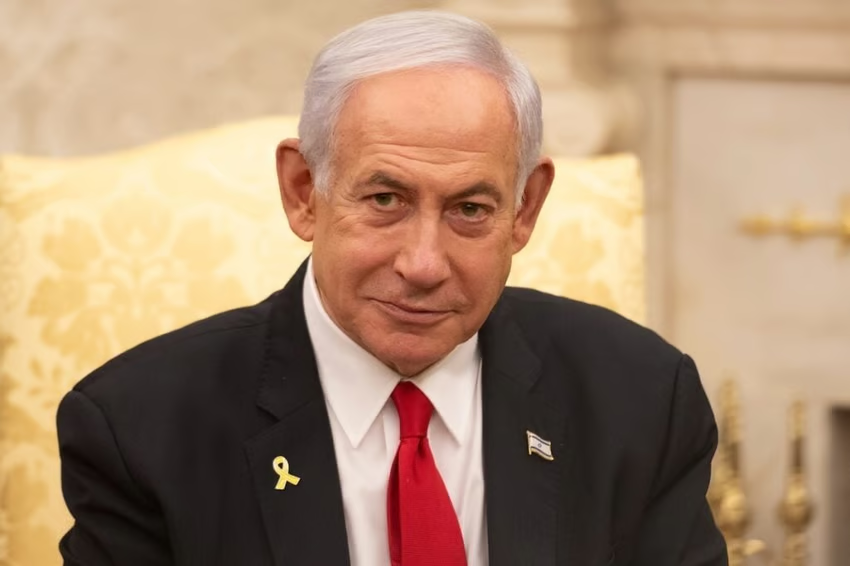
Meanwhile, behind-the-scenes tensions between key political figures have emerged, complicating the diplomatic landscape. Former U.S. President Donald Trump reportedly described Israeli Prime Minister Benjamin Netanyahu as "fucking crazy" during an angry phone call earlier in the month. This reported exchange suggests significant friction and a strained personal relationship between Trump and Netanyahu, even as Trump pursues a regional deal involving Iran that directly impacts Israel's security concerns. The reported comments show a complex dynamic between the former U.S. President and the Israeli leadership amidst ongoing regional developments and the push for a full peace agreement. These internal disagreements could potentially impact the reception and implementation of any "Great Deal" in the region.