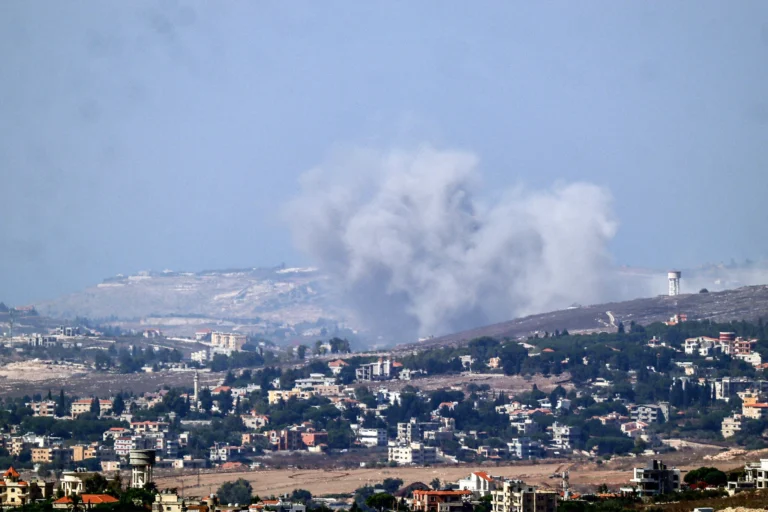
An Israeli strike on the village of Louaizeh in southern Lebanon resulted in the deaths of at least three people, according to Lebanon’s National News Agency. The agency also reported that Israel struck an ambulance in the town of Khounine, causing multiple casualties among medical workers. These incidents show a volatile security situation, even as a fragile ceasefire was meant to take hold.
Ceasefire Under Threat
A 10-day ceasefire between Israel and Lebanon was reached on Friday, though reports indicated Israel launched attacks despite Lebanon initially being announced as a party to the agreement. Israeli Prime Minister Benjamin Netanyahu and then US President Donald Trump quickly rejected the initial announcement that Israel was part of the ceasefire. The Lebanese Army reported "a number of violations" of the ceasefire within hours of its midnight local time implementation on Friday, including "intermittent shelling targeting a number of villages."
US President Donald Trump announced that Israel was "PROHIBITED" from attacking Lebanon under the 10-day ceasefire. "Israel will not be bombing Lebanon any longer. They are PROHIBITED from doing so by the U.S.A. Enough is enough!!!" Trump stated, emphasizing the United States' role in brokering and enforcing the agreement. The country's National News Agency is reporting the strike in southern Lebanon, noting the immediate challenges to the ceasefire's effectiveness. Following the Lebanon agreement, Iran announced on Friday that it stopped blocking travel through the Strait of Hormuz, a development that could have wider regional implications.
Escalating Violence and Casualties
The strike in Louaizeh, which killed at least three people, adds to a grim tally. A drone strike specifically targeted a motorcycle operating between the southern Lebanese towns of Khounine and Beit Yahoun. These latest fatalities increased the total number of people killed in Israeli strikes in Lebanon on Saturday to at least seven. The ongoing violence and the civilian casualties raise serious concerns about the stability of the region.
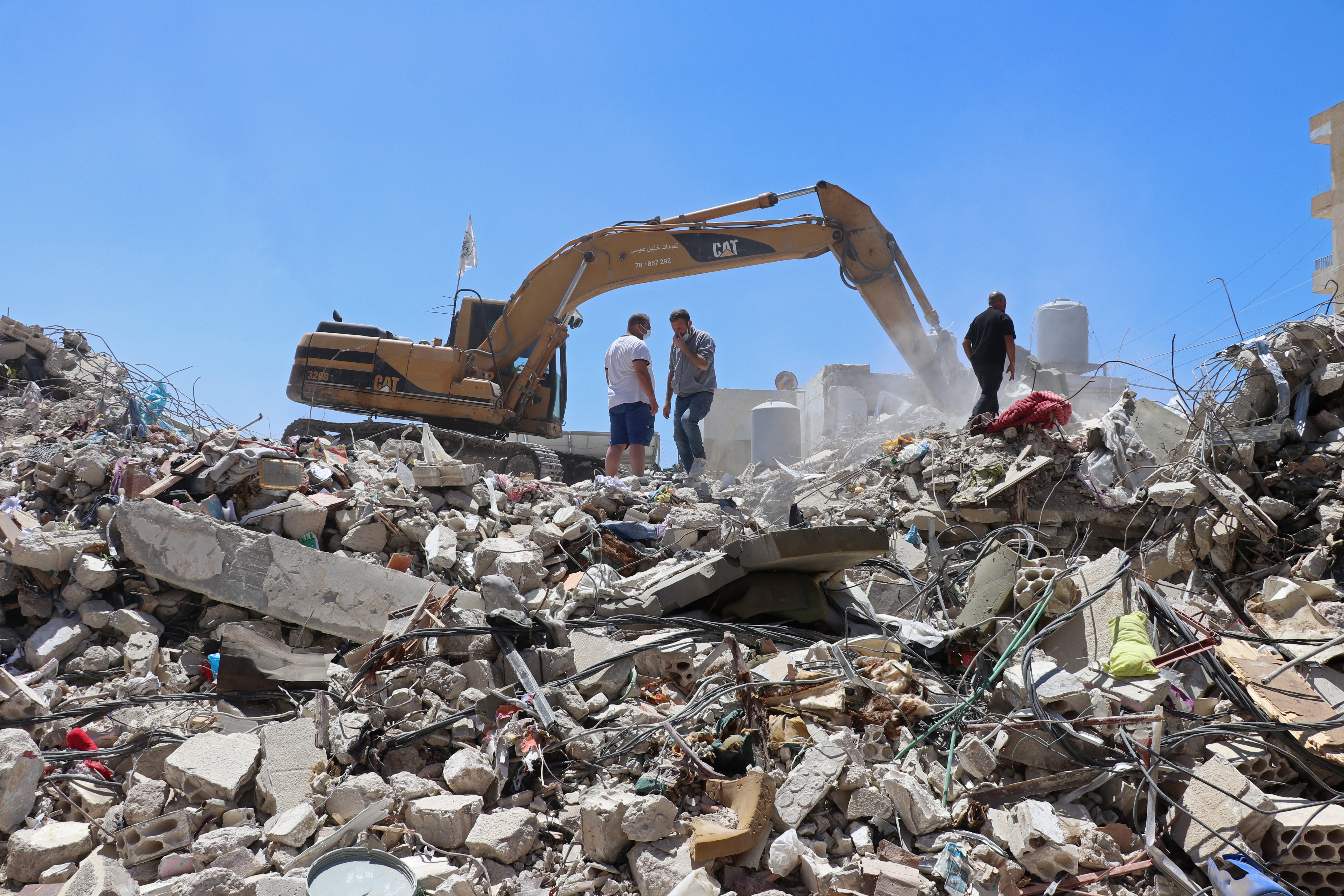
Israeli Defense Minister Israel Katz characterized the extensive damage in southern Lebanon as a continuation of the "Gaza model," suggesting a deliberate and systematic approach to military operations. This comparison indicates a significant level of destruction and a potential for widespread displacement.
Concurrently, Israel’s military spokesperson Avichay Adraee advised displaced Lebanese civilians against returning to their homes located south of the Litani River "until further notice." Thousands of these civilians had reportedly begun heading back to their villages, only to find them reduced to rubble, a stark testament to the conflict's impact. Despite the ongoing violence, the agreement reached on Friday stipulates that Israel retains the “right to take all necessary measures in self-defense, at any time, against planned, imminent, or ongoing attacks.” This clause provides Israel with considerable leeway in its military actions, even within the framework of a ceasefire.
Broader Context and Reactions
Israel routinely violated its previous ceasefire agreement with Lebanon, which began in November 2024. Over the first year of that ceasefire, Israel conducted more than 10,000 air and land attacks against Lebanon, demonstrating a pattern of recurrent breaches. More recently, Israeli attacks on Lebanon since early March have resulted in the deaths of nearly 2,300 people, showing the severe human cost of the conflict. Forced evacuation orders issued by Israel have also led to the displacement of over 1.2 million people from their homes, creating a humanitarian crisis of significant scale. The Israel Defense Forces have not provided any comment regarding the recent attack in southern Lebanon, maintaining their silence amidst the rising tensions and casualties.