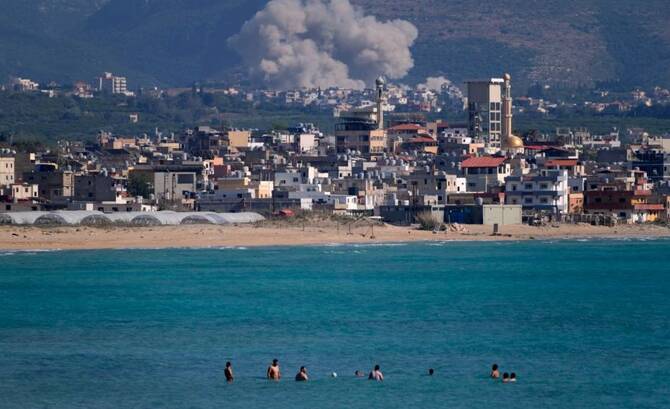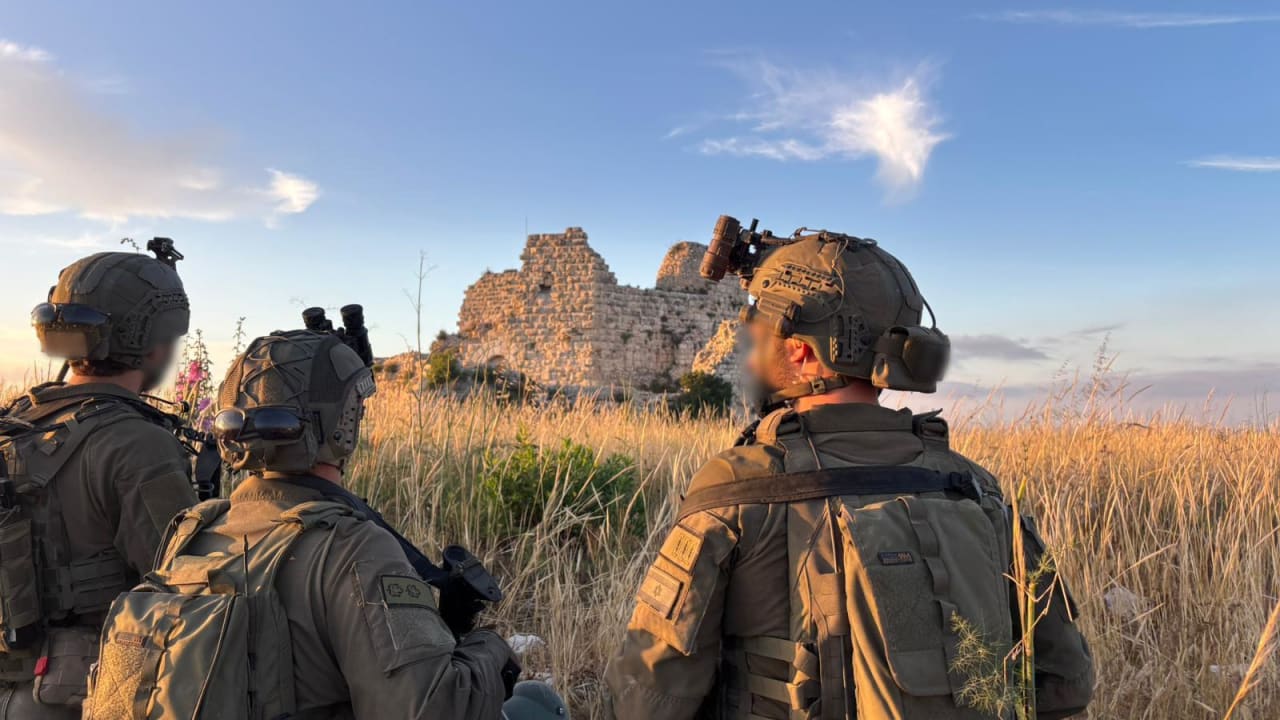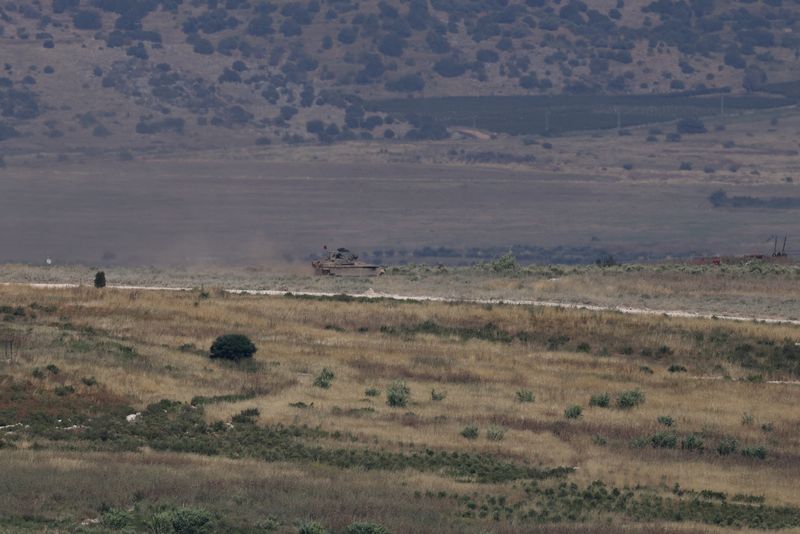
The Israeli military announced it intercepted a "hostile aircraft" that had entered northern Israel from Lebanon on Wednesday. This interception marked a significant security incident along the volatile northern border. The Israeli military confirmed the successful downing of the drone, which had crossed into Israeli airspace. The interception occurred after the aircraft crossed the border, according to statements released by the military, prompting an immediate and decisive response from defensive systems. This incident prompted a response from Israeli air defenses in the northern region, which were activated to neutralize the aerial threat. The military's swift action shows the ongoing vigilance required to maintain security in the area.
No Hezbollah Link Claimed
The Israeli military has not attributed the hostile aircraft's incursion to Hezbollah. Officials did not state that the Lebanese armed group was responsible for launching the drone that crossed into northern Israel on Wednesday, maintaining a cautious stance regarding direct accusations. The military's public statements have refrained from explicitly linking the incident to any specific organization, leaving the door open for further investigation into the drone's origin. Hezbollah, for its part, has not claimed responsibility for the incident. The group has not issued any statements acknowledging involvement in the aerial activity that prompted an Israeli military response, a silence that contrasts with its typical swift claims of responsibility for cross-border actions. This absence of claims from either side leaves the origin and intent of the aircraft unconfirmed, adding to the ambiguity surrounding the event. The interception occurred in northern Israeli airspace after the drone entered from Lebanese territory, noting the persistent challenges of border security.
Context of Ceasefire
The recent incident takes place against a backdrop of efforts to de-escalate tensions. Lebanon had previously announced a partial ceasefire agreement between Hezbollah and Israel. This arrangement stipulated that Israel would halt its strikes on Beirut’s Hezbollah-controlled suburbs, a significant concession aimed at reducing hostilities in urban areas. In return, Hezbollah would, in turn, cease its attacks on Israel, indicating a reciprocal commitment to a limited cessation of direct military engagement. The terms of this partial ceasefire were designed to prevent a broader escalation of conflict, focusing on specific actions by both parties.
Despite these measures, Lebanon’s embassy in Washington clarified that the agreement does not signify an end to the broader conflict. The embassy's statement showed that the partial ceasefire was a specific, limited understanding regarding direct military actions between the parties involved, rather than a full peace accord. This distinction is key, as it indicates that fundamental disputes and underlying tensions persist despite the temporary halt in certain military activities. The details of the arrangement focused on de-escalating particular actions, aiming to reduce the immediate threat of further hostilities in specific areas, particularly those that could lead to wider civilian impact. This context frames the recent interception of a hostile aircraft as occurring amidst ongoing, albeit partially contained, tensions between Israel and Hezbollah, originating from Lebanese territory. The ceasefire's limited scope means that underlying disputes and the potential for incidents remain, showing the fragility of the security situation.
Broader Regional Tensions
The incident unfolds amid broader regional tensions involving Israel and its neighbors, particularly Lebanon, where the Iran-backed Hezbollah group operates. Relations between Israel and Lebanon have remained strained for decades, marked by ongoing border disputes and occasional cross-border exchanges, making any aerial incursion a serious concern. The wider region continues to experience significant geopolitical volatility, with various actors, including Iran, playing influential roles in the dynamics of conflict and security. These underlying tensions often contribute to a climate where aerial incursions and military responses are not uncommon, reflecting the complex and often unpredictable nature of regional security. The presence of such an aircraft, regardless of its specific origin or intent, serves as a stark reminder of the delicate balance of power and the ever-present potential for escalation in the Middle East.