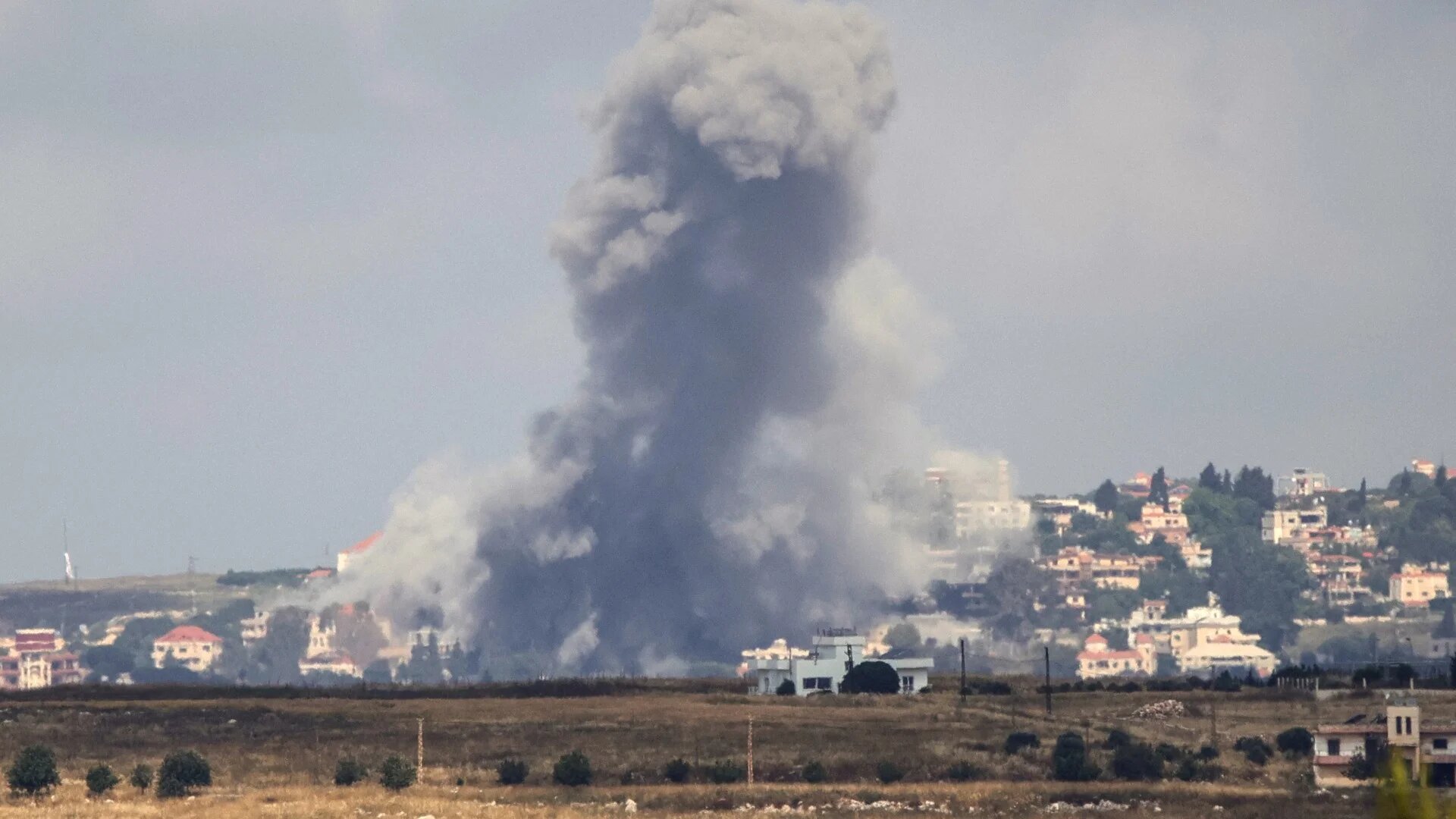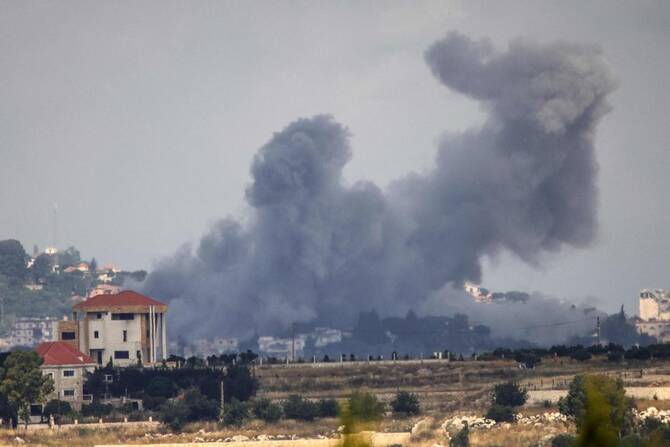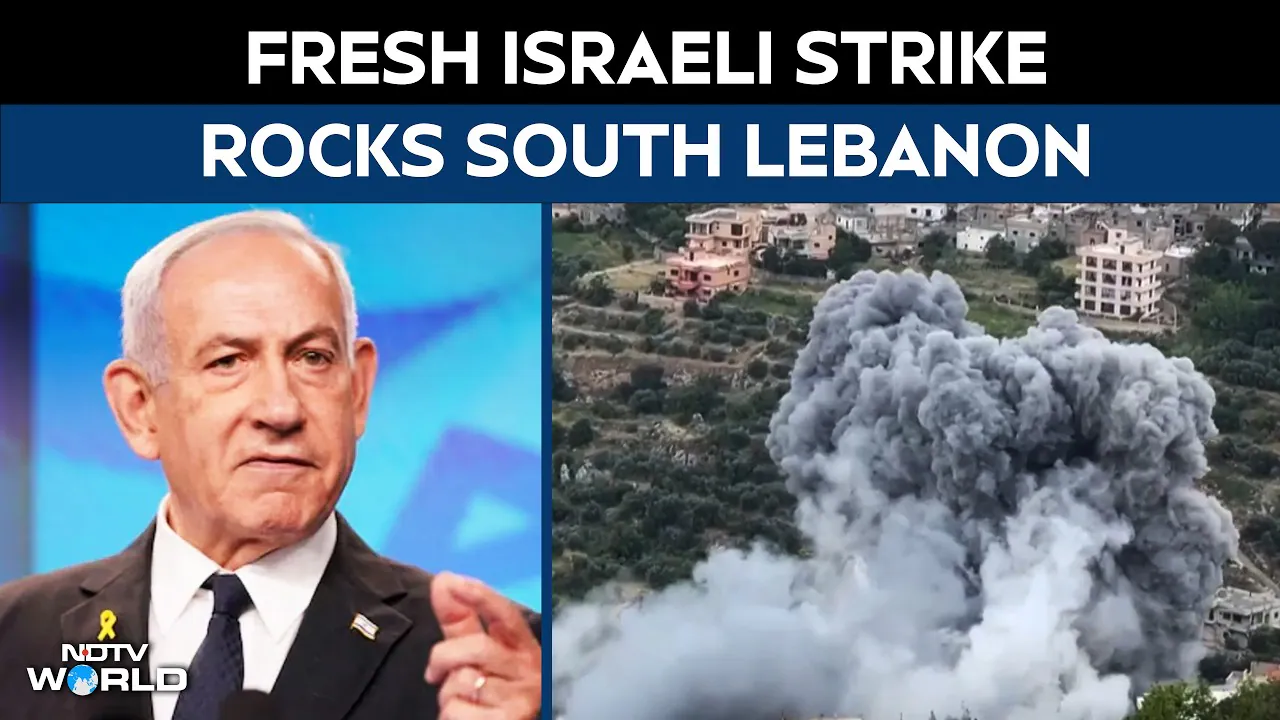
Israeli fighter jets conducted a strike on the southern Lebanese village of Ain Qana, according to reports. The aerial operation marks the latest in a series of engagements that have contributed to rising regional tensions between Lebanon and Israel. This particular incident shows the ongoing volatility and the active military posture maintained by both sides in the contested border region. The strike in Ain Qana is indicative of the persistent security challenges facing the area.
Details of the Attack
Residents of Ain Qana received warnings to evacuate the village shortly before the Israeli strike occurred. The pre-strike warnings were communicated to the local population in the southern Lebanese village, providing a brief window for residents to seek safety. This measure preceded the aerial operation carried out by Israeli jets, noting a pattern of military actions in the volatile area. The incident in Ain Qana forms part of ongoing military activities in the region, contributing to heightened tensions between Lebanon and Israel. The precision of these warnings, delivered ahead of the military action, indicates a deliberate operational approach. Such actions often aim to minimize civilian casualties while still achieving military objectives. The timing and nature of these warnings are frequently scrutinized by international bodies monitoring the conflict. The strike itself was a direct military action, demonstrating the continued readiness of Israeli forces to engage targets within Lebanese territory.
Escalating Regional Tensions
Tensions between Israel and Hezbollah continue to escalate, contributing to a volatile security situation in the region. This ongoing friction has seen an increase in cross-border incidents and military actions from both sides. The recent Israeli strikes in southern Lebanon, including the operation in Ain Qana, are part of this broader pattern of heightened confrontation. Such developments have raised concerns among international observers about the potential for further destabilization. The continued exchanges show a deepening cycle of military engagement between the Israeli military and Hezbollah forces operating from Lebanese territory. Both parties have asserted their right to respond to perceived threats, leading to a sustained period of elevated alert and military preparedness. This dynamic has consistently fueled fears of a wider conflict across the Middle East, with potential ramifications extending beyond the immediate border areas. The strategic implications of these repeated military engagements are significant, as they test existing ceasefires and understandings. The frequency of these incidents suggests a deteriorating security environment, making de-escalation efforts increasingly challenging.
Impact on Village
The Israeli strike on Ain Qana resulted in damage to several residential properties. Multiple homes in the southern Lebanese village sustained structural impact from the aerial operation. Local reports indicate that the extent of the damage varied across the affected dwellings, with some properties experiencing significant structural compromise while others incurred more superficial damage. The incident has prompted concerns among residents regarding the safety and habitability of their properties following the military action. While no immediate casualty reports were available, the damage to homes shows the direct physical consequences of the ongoing conflict on civilian infrastructure. Community leaders are assessing the full scope of the destruction to determine the necessary response and support for those affected by the strike. The incident adds to the growing list of civilian properties impacted by military engagements in the region, noting the humanitarian toll of the prolonged conflict. The destruction of homes forces residents to contend with displacement and the loss of personal belongings, adding another layer of hardship to their lives. Efforts to rebuild and recover are often complicated by the ongoing instability and the risk of future military actions.