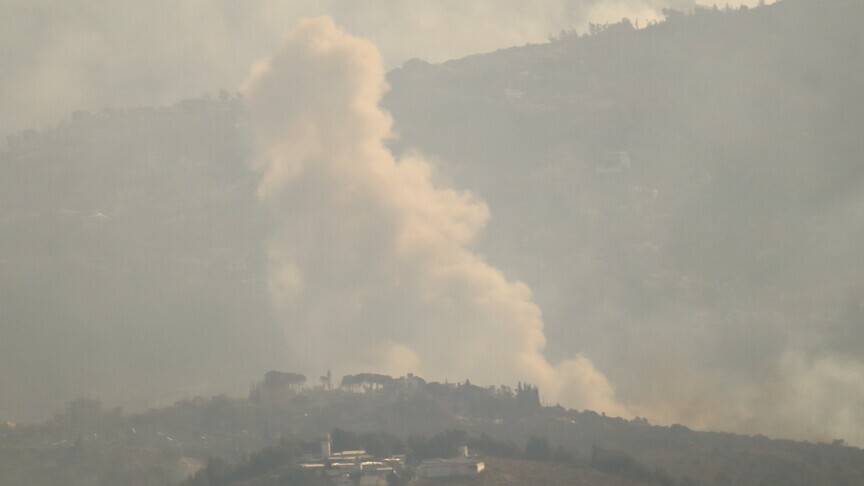
The Israeli army targeted farmers in southern Lebanon's Tyre district with phosphorus shells on Tuesday, according to Lebanese media reports. The same reports indicated that three civilians were detained and another person was wounded during these operations. The incidents reportedly occurred in southern Lebanon, with farmers being directly impacted by the shelling. These actions contribute to an escalating pattern of incidents in the region.
Phosphorus Shelling and Air Strikes
Lebanon’s state-run National News Agency (NNA) reported that Israeli forces fired three phosphorus shells near farmers harvesting watermelons in fields close to the Mansouri junction in Tyre district. The agency stated that the farmers immediately fled the area following the shelling, and no injuries were reported from this incident. This specific targeting of agricultural workers and their fields marks a concerning development.
Separately, Israeli aircraft conducted strikes on the towns of Hanawieh and Maarka, both located within the Tyre district, according to NNA. These aerial attacks show the breadth of the military operations. In Nabatieh district, Israeli warplanes carried out two airstrikes on the town of Dabin. Additionally, a drone strike early Tuesday targeted a motorcycle on the Kfar Dajjal-Nabatieh road, resulting in one person sustaining injuries. The strike on the motorcycle notes the risk to individuals traveling on local roads.
Detentions and Checkpoints
Israeli forces established a checkpoint at the Marjayoun-Halta junction in Nabatieh district, positioned near shops that had previously been targeted in shelling attacks. During these operations, Israeli soldiers detained three civilians. These detentions occurred without immediate public explanation of the charges or reasons for their apprehension. Additionally, the soldiers confiscated multiple cellphones from individuals present in the area, according to reports. The confiscation of personal devices raises concerns about privacy and communication in the affected zones. The establishment of checkpoints further restricts the movement of local populations and impacts daily life.
Broader Context and Casualties
The Islamic Health Committee reported the recovery of a civilian's body from under the rubble of a house in Qana, which was struck by Israeli forces on Monday. The committee specified that the body was found beneath the debris of a residential structure. Search operations are ongoing for other individuals reported missing in the area, according to the committee, indicating the potential for further casualties from previous strikes.
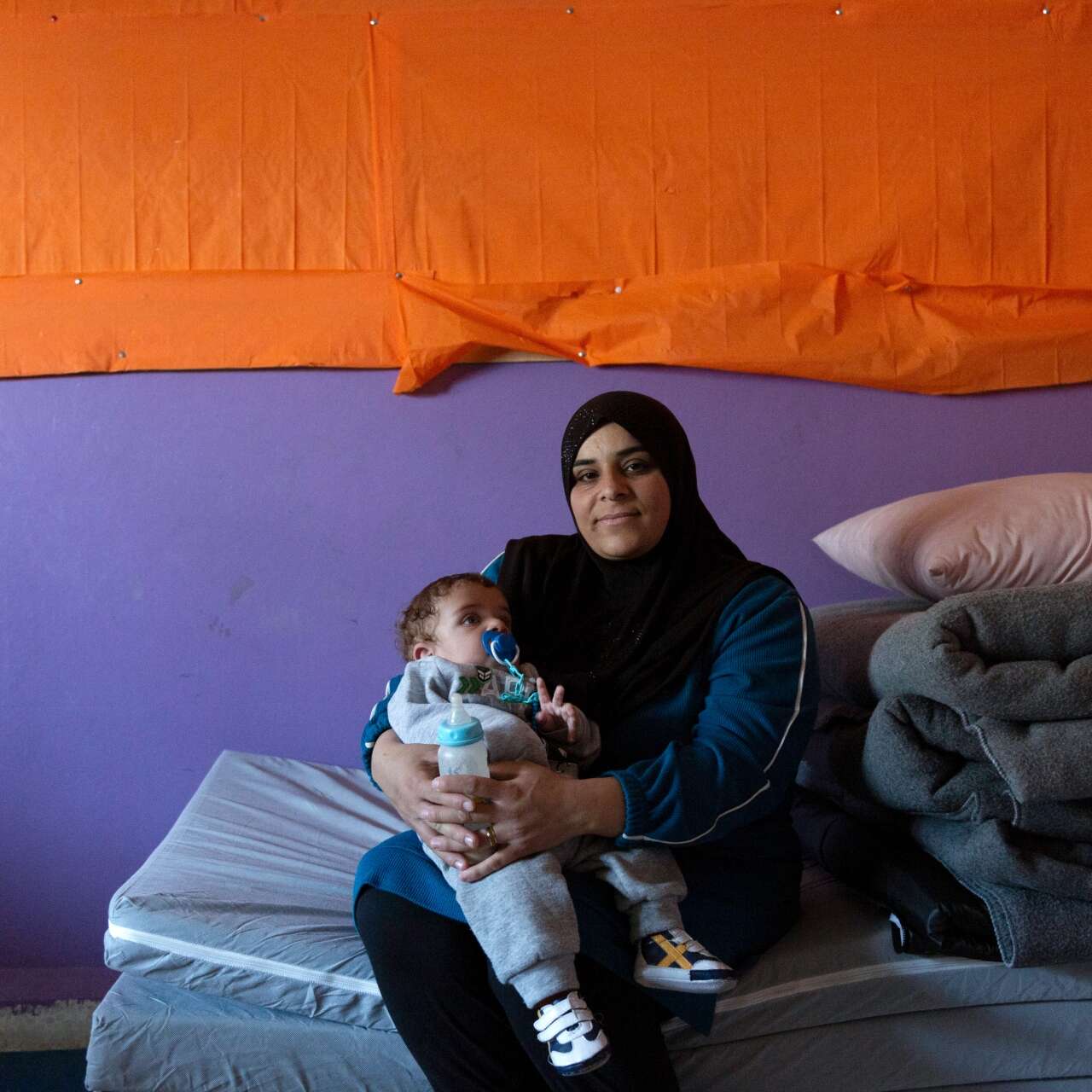
Meanwhile, Lebanese official figures indicate that a large-scale offensive by Israel on Lebanon, ongoing since March 2, has resulted in significant casualties and displacement. The figures show that 2,988 people have been killed, and 9,210 others have sustained injuries. Additionally, the offensive has led to the displacement of more than 1.6 million people across Lebanon, creating a humanitarian crisis of considerable scale. These statistics paint a stark picture of the human cost of the ongoing conflict and its widespread impact on the civilian population and infrastructure.
Ongoing Violations
The reported attacks occurred amid continued Israeli violations of the fragile ceasefire that was initially announced on April 17. The ceasefire had been extended on Friday for an additional 45 days, effectively lasting until early July. The persistence of these military actions despite the agreed-upon ceasefire terms raises questions about the commitment to de-escalation and the stability of the agreement. These ongoing violations undermine efforts to establish lasting peace and security in the border regions.