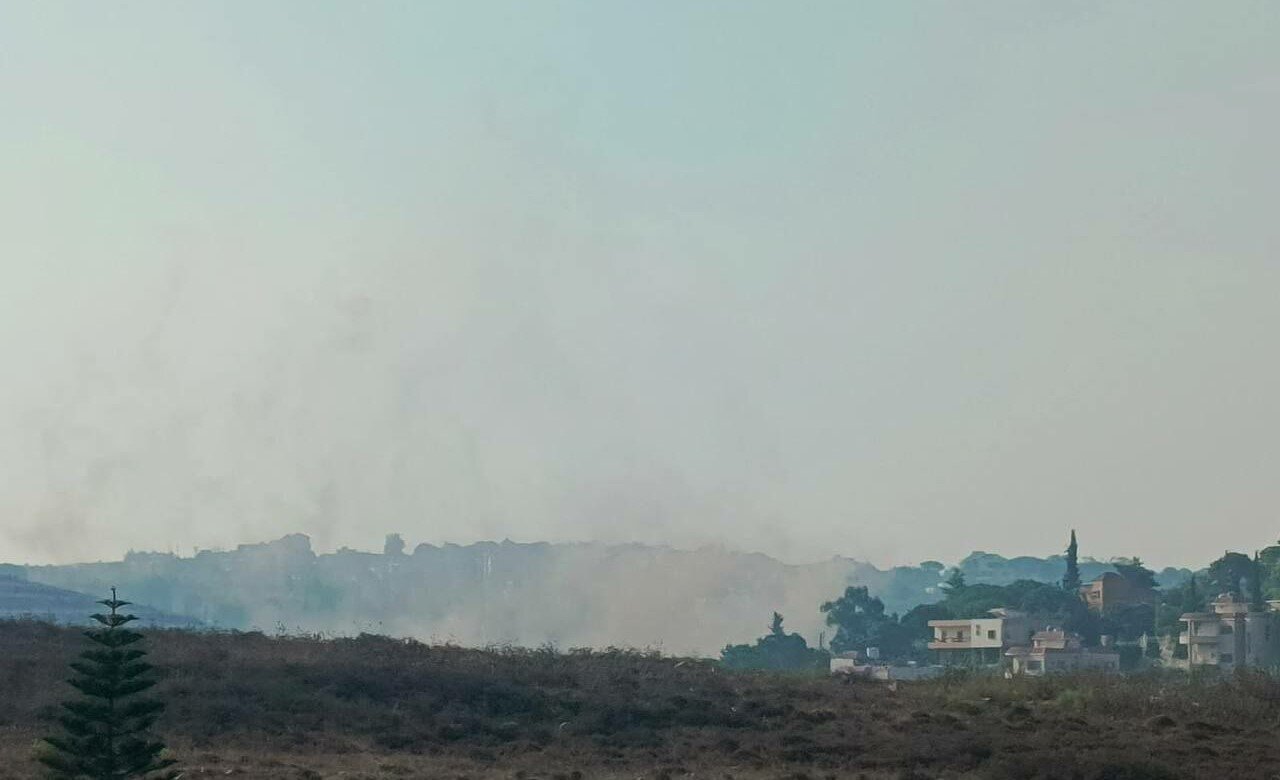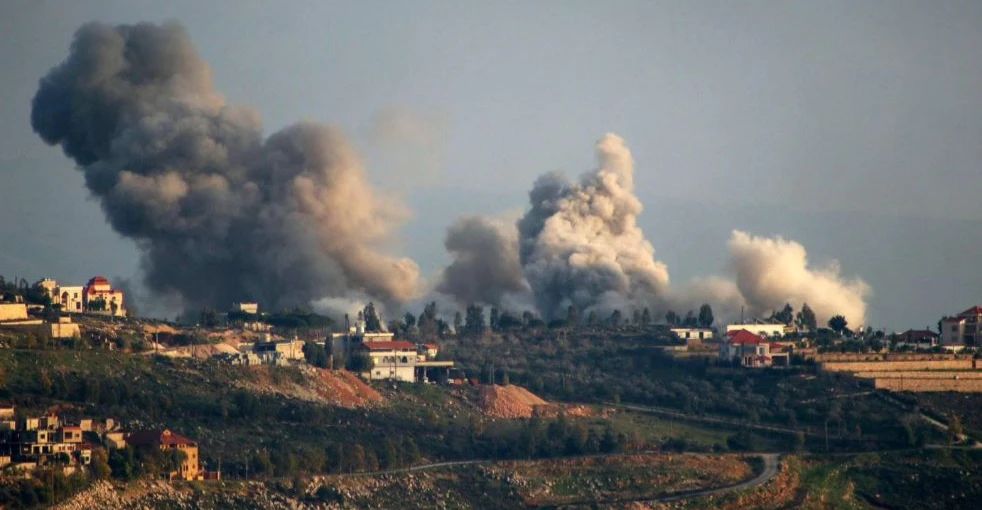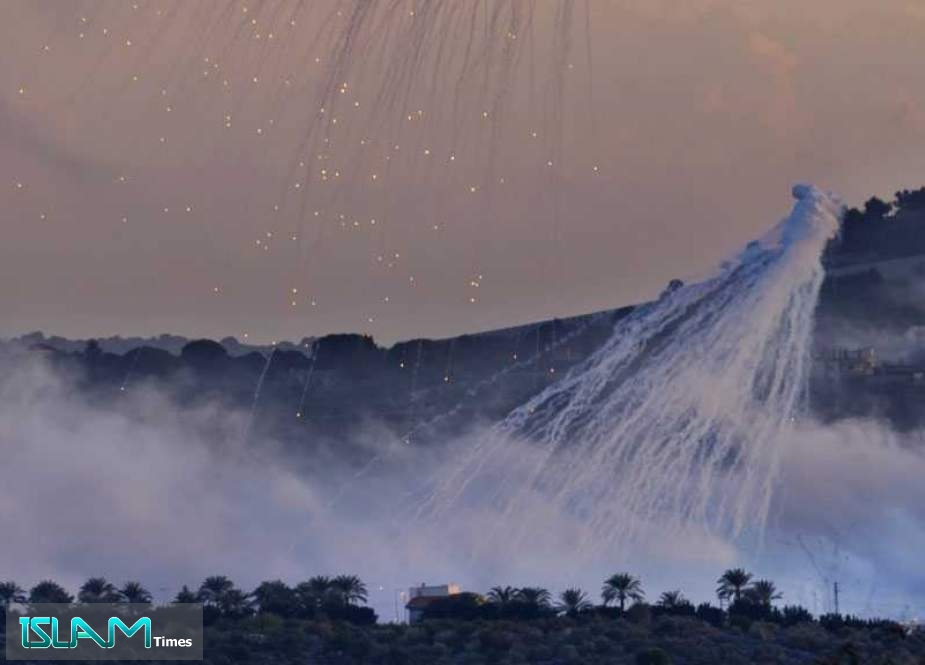
Israeli forces conducted airstrikes, heavy artillery bombardment, and extensive explosions across several areas of southern Lebanon overnight and into early Saturday. The intensified operations targeted locations including Mansouri, Bayt Al-Sayyad, Majdal Zoun, Haddatha, Beit Yahoun, Aita Al-Jabal, Nabatieh Al-Faouqa, Dawht Kfar Roummane, Dabsha hill, and Ali Al-Taher hill. Lebanese state media reported the use of phosphorus shells during the attacks. These military actions, involving both aerial and ground assets, signify a notable escalation in the ongoing conflict in the region. The widespread nature of the attacks indicates a broad operational scope, impacting multiple communities simultaneously.
Intense Bombardment and Destruction
The National News Agency (NNA) reported heavy Israeli artillery fire targeted Mansouri, the vicinity of Bayt Al-Sayyad, and the outskirts of Majdal Zoun. Israeli forces conducted extensive explosions in Mansouri, Majdal Zoun, and Bayt Al-Sayyad throughout the night, causing significant damage. Explosions were also reported in Haddatha, Beit Yahoun, and Aita Al-Jabal, contributing to the widespread impact of the overnight operations. Machine-gun fire from Israeli positions targeted nearby valleys in the area, adding another layer to the intense military activity. Additionally, Israeli artillery heavily shelled the outskirts of Dawht Kfar Roummane, the vicinity of Dabsha hill, and the wooded area around Ali Al-Taher overnight and into Saturday morning. The NNA further specified that phosphorus shells were used by Israeli forces during the bombardment, raising concerns about the type of munitions deployed in civilian-adjacent areas. The persistent shelling and explosions across these locations show the intensity and destructive potential of the Israeli military's actions.
Aerial Surveillance and Specific Targets
Israeli warplanes launched two airstrikes at approximately 6:45 a.m. Local time (0345 GMT) targeting Ali Al-Taher hill, situated on the northern outskirts of Nabatieh Al-Faouqa. These precise aerial bombardments were part of a coordinated effort. Concurrently, Israeli drones maintained continuous flights over various villages and towns across the western and central sectors of southern Lebanon. The persistent aerial surveillance by Israeli drones covered a wide area, monitoring activity throughout the region and potentially guiding further strikes or assessments. The strikes on Ali Al-Taher hill marked a specific and timed operation within the broader escalation, indicating targeted objectives amidst the wider bombardment. The constant presence of drones suggests an ongoing intelligence-gathering and reconnaissance effort by Israeli forces over Lebanese territory.
Widespread Damage and Ongoing Conflict
The National News Agency (NNA) reported widespread destruction in Bayt Al-Sayyad, indicating that homes throughout the village sustained heavy damage, with no residence remaining untouched. The agency's assessment detailed extensive devastation following the recent military actions, noting the severe impact on civilian infrastructure. The NNA's report painted a grim picture of the village, where residential properties bore the brunt of the attacks. These latest attacks contribute to ongoing Israeli military operations across southern Lebanon, marking a continuation of the conflict in the border region. The sustained nature of these operations suggests a prolonged period of instability and heightened military activity. The extensive damage reported by the NNA shows the humanitarian consequences of these intensified military engagements, affecting the lives and property of residents in the targeted areas.