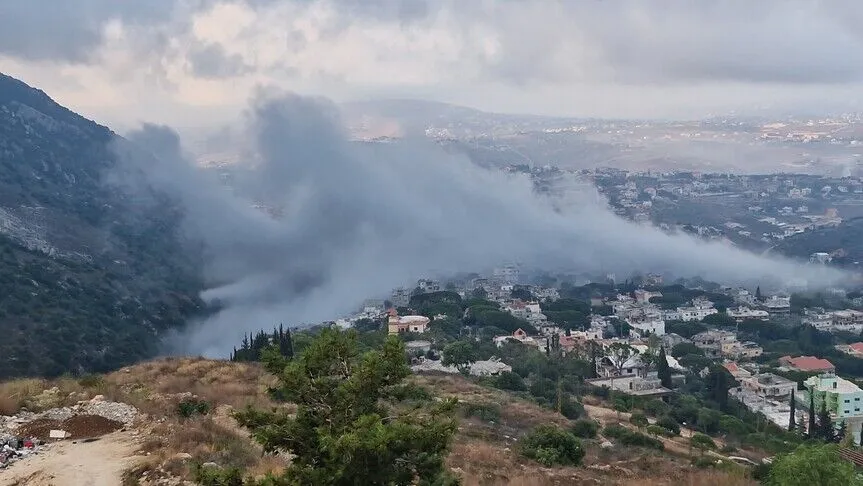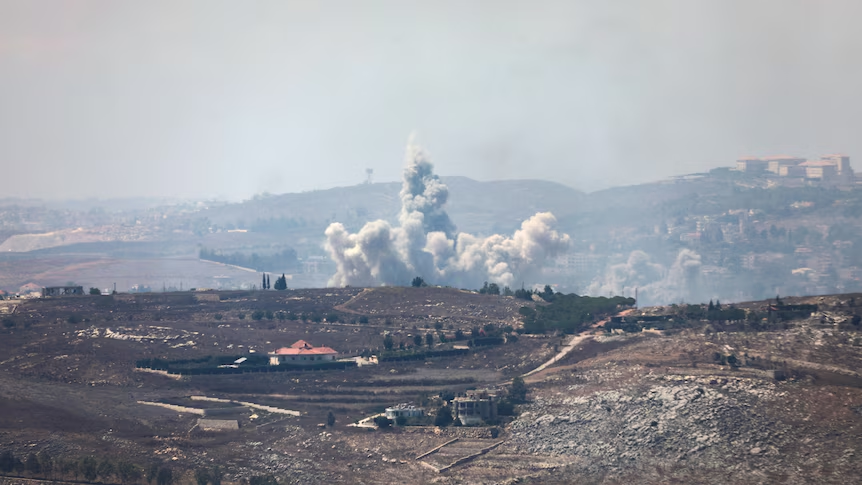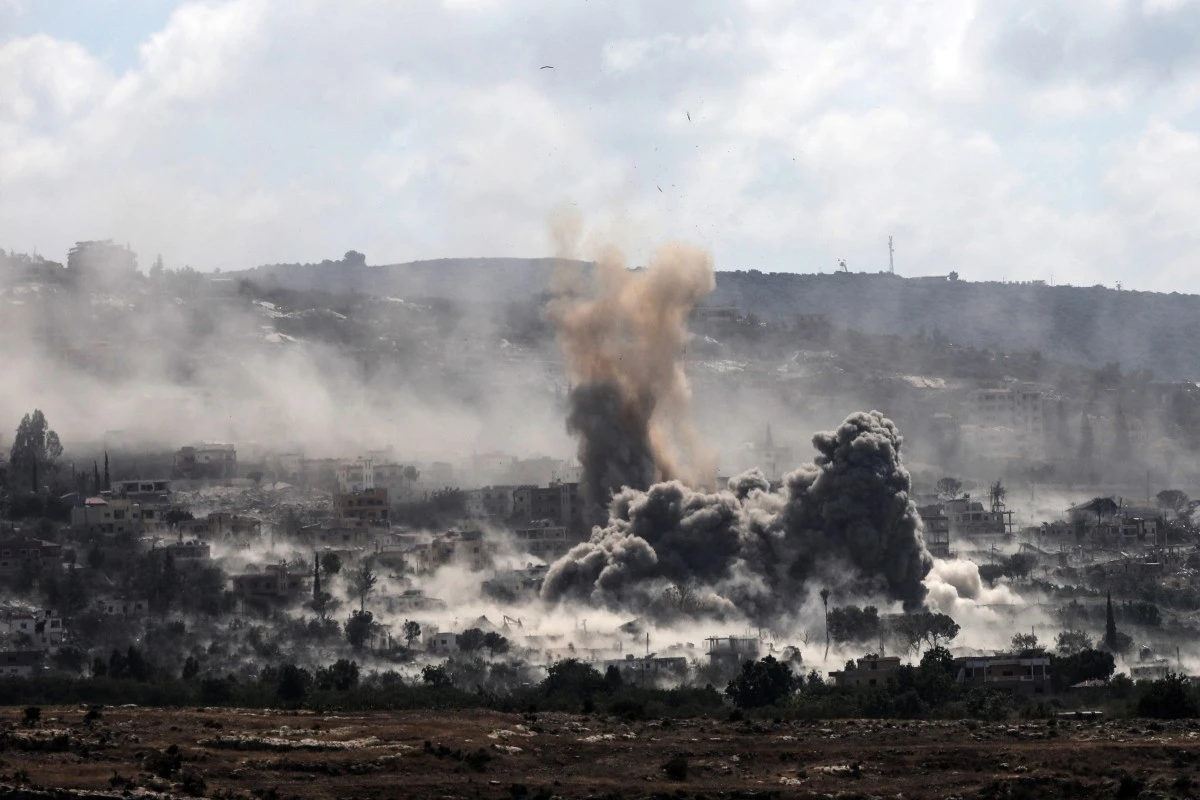
Israeli attacks in southern Lebanon killed 27 civilians and wounded 69 others over a three-day period, according to reports from the region. The recent escalation against civilians has resulted in a significant number of casualties, marking a grave turn in the ongoing cross-border hostilities. The majority of those killed were identified as women, children, and paramedics, noting the devastating impact on non-combatants and essential service providers. These tragic incidents occurred across various locations in southern Lebanon, painting a picture of widespread distress and destruction. The intensity and scope of the strikes have raised considerable alarm among local populations and international observers alike.
Deadly Strikes Across Southern Lebanon
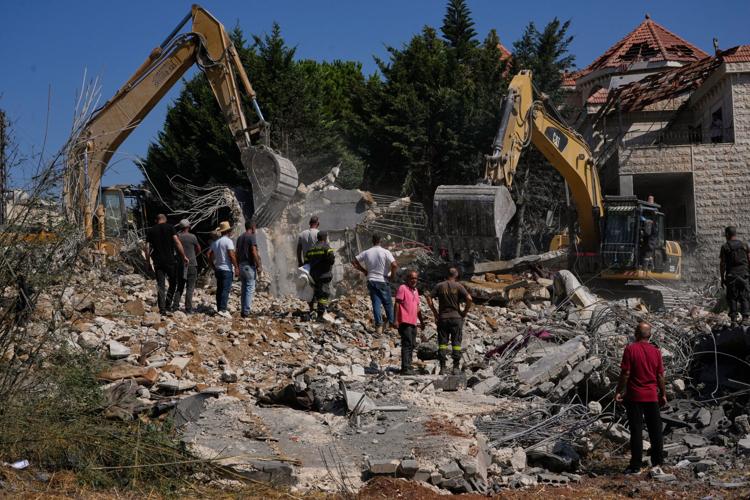
The recent wave of Israeli airstrikes created a "ring of fire" around the Nabatieh area, particularly near the strategic Ali Al-Taher heights. This intensive bombardment has left a trail of destruction, with residential areas bearing the brunt of the attacks. According to Lebanon’s Ministry of Health, Israeli airstrikes on a residential home in Kafr Rumman resulted in a staggering 12 fatalities and 10 injuries. The scale of this single incident shows the severe humanitarian consequences of the conflict. Among the dead in Kafr Rumman were two children and four women, further emphasizing the civilian toll. Additionally, eight other people were wounded in Kafr Rumman, including three children. A paramedic, who was among those initially wounded, tragically died later in a separate Israeli strike on a car in the same town, illustrating the perilous conditions faced by emergency responders.
The human cost was brought into sharp focus with the death of Hiba Ali Sabah, an employee of the Ministry of Health, who was killed along with her husband and daughter when a residential building in Kafr Rumman was hit. This incident, like many others, involved the targeting of civilian infrastructure, leading to profound loss for families and communities. The coordinated nature of the attacks was evident as massive explosions rocked southern Lebanon on Monday. Israeli strikes hit the coastal town of Al-Mansouri near Tyre and the border town of Hula, indicating a broad geographical scope of operations.
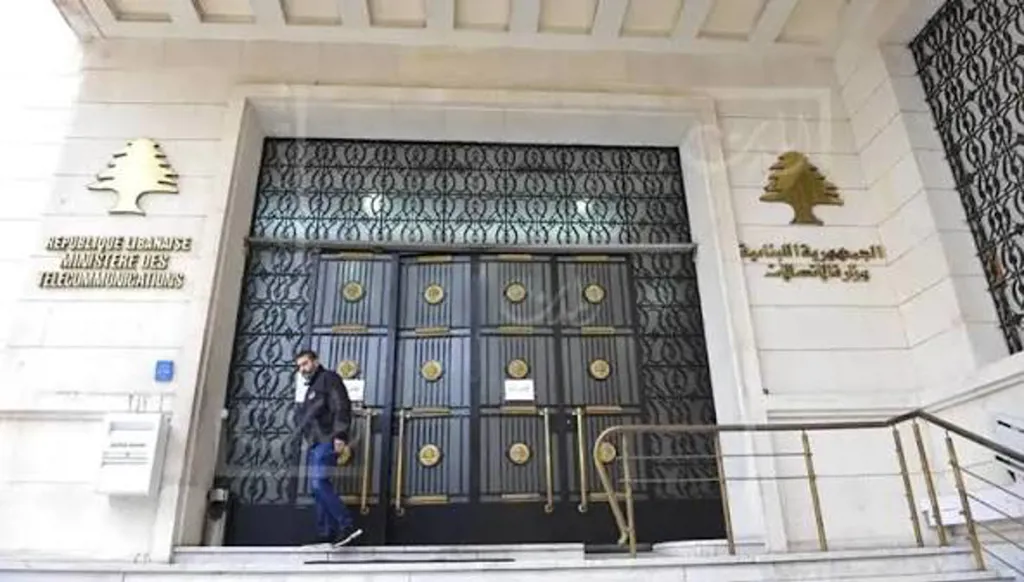
The pattern of destruction also included pre-emptive actions. Overnight on Sunday into Monday, the Israeli army issued an evacuation warning for a building in Deir Al-Zahrani before subsequently destroying it. This tactic, while ostensibly aimed at minimizing civilian casualties by providing notice, still results in the destruction of property and displacement of residents. Less than 24 hours earlier, the Israeli army had targeted the Finance Ministry building in Nabatieh and Ghandour Hospital, both significant civilian structures, raising questions about the proportionality and targeting criteria of these operations. The targeting of a hospital, in particular, sparked widespread condemnation, showing the severe impact on vital civilian services in the region.
Context of Escalation
The Israeli military has provided its rationale for these intensified operations. Israeli army spokeswoman Ella Waweya stated that the operations were conducted in response to a drone launch toward IDF forces by Hezbollah. This assertion frames the Israeli actions as a direct, reactive measure to perceived threats emanating from Lebanese territory. The Israeli army announced at the end of last week that it had taken control of the Ali Al-Taher hills and surrounding areas, a move that signifies a tactical advancement in the contested border region. This development followed Hezbollah's rejection of a proposal by Lebanese authorities to hand the Ali Al-Taher area over to the Lebanese army. This rejection has significant implications for the control and stability of the area, as it indicates Hezbollah's firm grip on strategic locations. The Ali Al-Taher area, located near Nabatieh, has been a focal point in recent escalations, showing its strategic importance in the ongoing conflict.
The Israeli military's assertion that its actions were a direct response to Hezbollah's drone activity indicates a reactive posture in the ongoing cross-border exchanges. The claim by the Israeli army spokeswoman suggests that Israeli forces are targeting what they identify as direct threats emanating from Lebanese territory, aiming to neutralize capabilities that could endanger their personnel or positions. Hezbollah's refusal to cede control of the Ali Al-Taher area to the Lebanese army notes the complex dynamics of authority and military presence in southern Lebanon. This rejection means that the area remains under the control of a non-state actor, a factor that likely influences the operational decisions of the Israeli military and contributes to the heightened tensions. The Israeli army's move to take control of these strategic hills and their environs marks a significant tactical shift in the region, potentially altering the balance of power and control along the border. This control allows for enhanced surveillance and potentially offensive capabilities, further escalating the military posture.
Official Reactions and Concerns
The recent Israeli attacks over the weekend targeted several key locations in southern Lebanon, including Arab Salim, Kafr Rumman, Nabatieh and its outskirts, Mayfadoun, Al-Kfour, and Al-Ramadiyah, according to various reports. These widespread strikes resulted in 11 fatalities and 26 injuries across these locations, contributing significantly to the overall casualty count and demonstrating the broad geographical reach of the military operations. The intensified operations reflect an ongoing pattern of cross-border exchanges in the region, characterized by tit-for-tat actions that frequently lead to civilian harm.
The impact on civilians has been particularly severe. Strikes from Friday night into Saturday alone killed four people and injured 32 others, including women and children, further escalating the civilian casualty count and showing the indiscriminate nature of some of the attacks. These incidents occurred in various parts of southern Lebanon, contributing to the overall humanitarian concerns in the affected areas and placing immense strain on local emergency services and healthcare facilities. The consistent targeting of residential areas and civilian infrastructure has drawn sharp criticism from humanitarian organizations and international bodies, who emphasize the need to protect non-combatants during armed conflict. The destruction of homes and essential services exacerbates an already fragile humanitarian situation in southern Lebanon.
Further indications of potential escalation emerged with a report from Israel's public broadcaster on Sunday, stating that the Israeli army was awaiting political-level approval to destroy tunnels at Ali Al-Taher. This indicates a potential expansion of military operations focusing on subsurface infrastructure in the strategic Ali Al-Taher area, which could lead to further intense engagements. The reported intention to destroy tunnels suggests a proactive measure by the Israeli military, pending authorization from political leadership, to dismantle what they perceive as integral components of Hezbollah's operational capabilities. Such an operation would likely involve significant force and could further destabilize the region, drawing strong reactions from Lebanese authorities and Hezbollah. The focus on tunnels notes a shift in tactical priorities, moving beyond surface engagements to target concealed infrastructure.