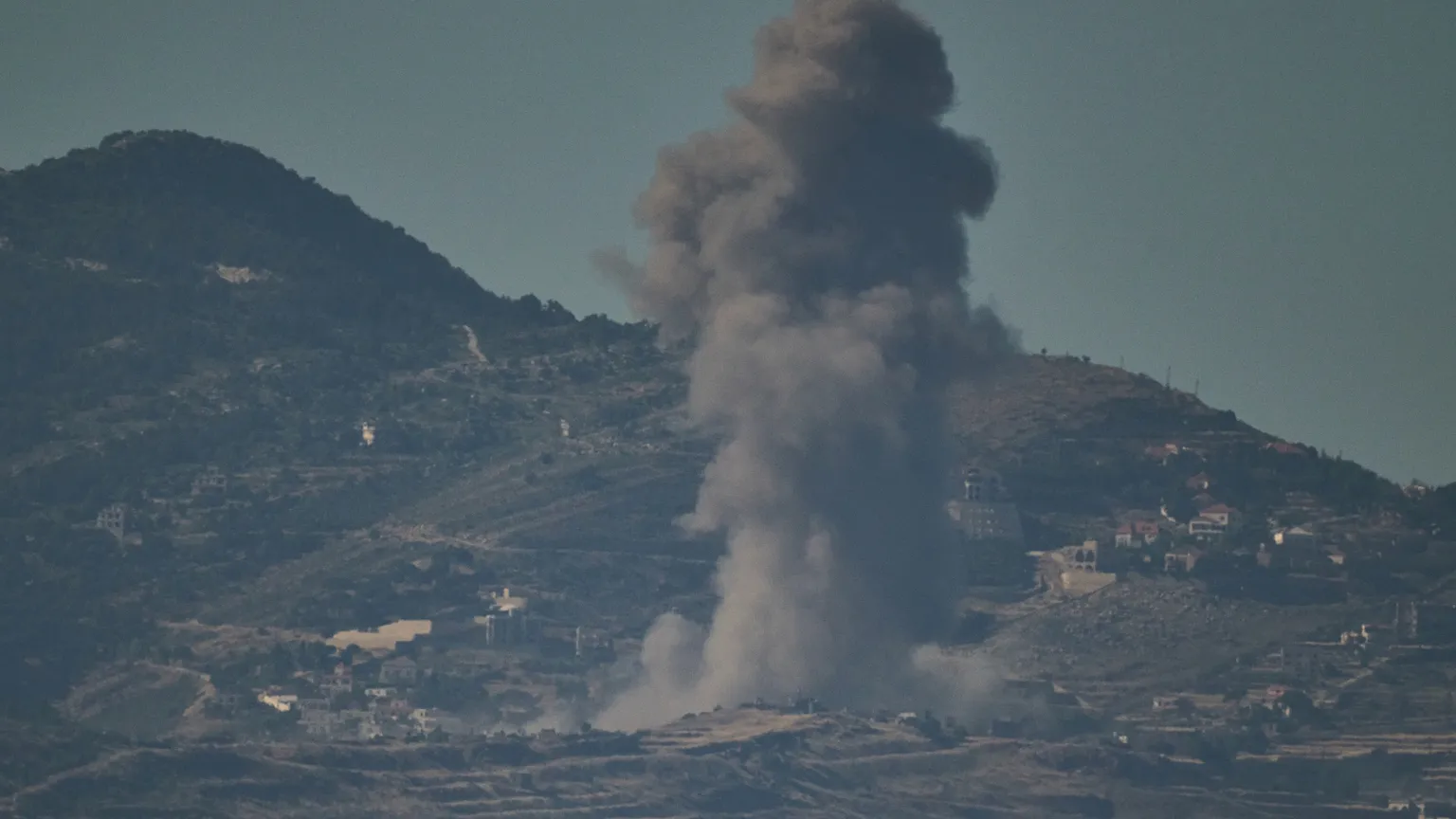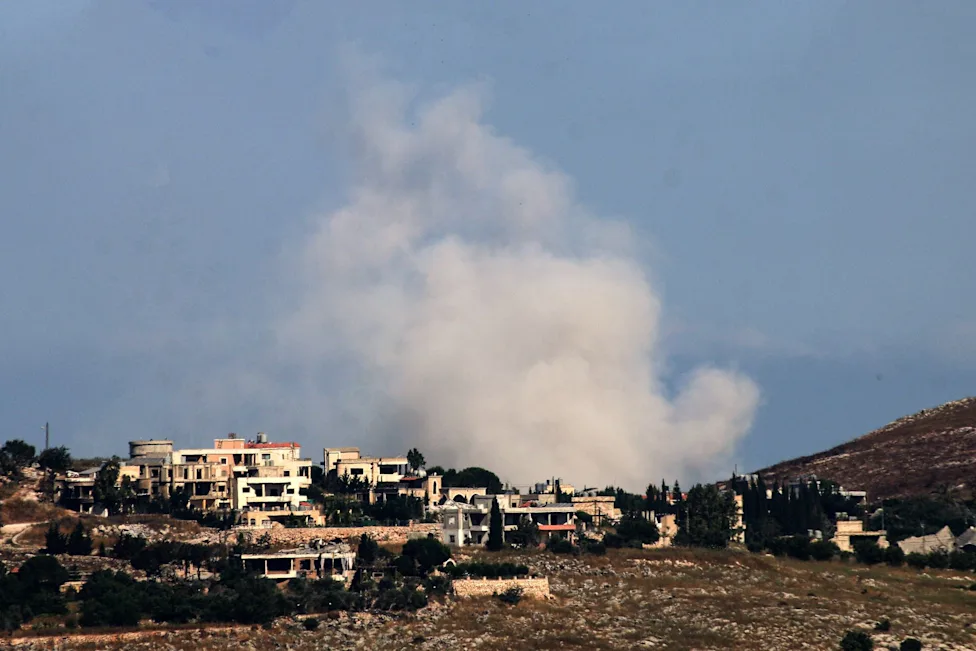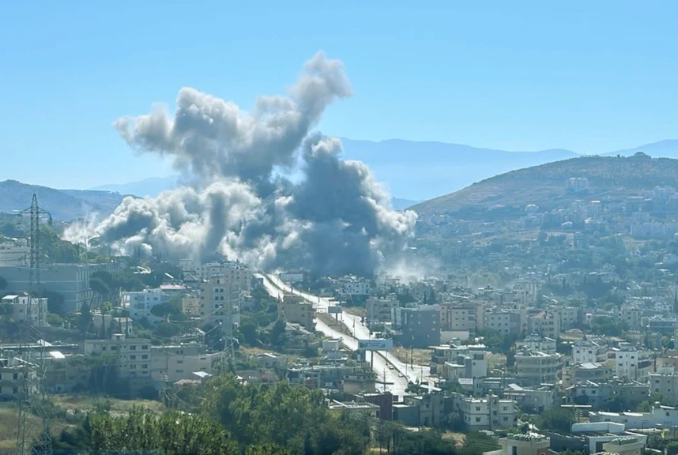
Israeli airstrikes struck multiple locations in southern Lebanon and the western Bekaa region, despite reports of a ceasefire. The attacks represent a significant escalation of hostilities, occurring less than 24 hours after United States officials announced that a ceasefire between Israel and Hezbollah had entered into force. Lebanon’s Civil Defense reported that its teams evacuated 47 civilians and transported 16 bodies and 12 wounded individuals following the attacks on the Nabatieh region. The Civil Defense specifically noted the casualties and evacuations occurred in Nabatieh, showing the immediate human cost of the renewed military actions. The widespread nature of the strikes across various Lebanese towns has heightened concerns about the fragility of the recently brokered truce.
Deadly Strikes Across Lebanon
Israeli warplanes and drones launched a wave of attacks across southern Lebanon and the western Bekaa on Saturday, June 20, 2026. These attacks targeted multiple towns across Nabatieh, Sidon, Tyre, and the western Bekaa region, indicating a broad scope of operations. The intensity of the strikes suggests a deliberate and extensive military campaign. Israeli attacks continued throughout Friday, striking areas around Baalbek, the Litani River basin, and several southern villages, demonstrating a sustained period of engagement. The targeted regions span a considerable geographical area within Lebanon, from its southern border to more central areas, noting the wide reach of the Israeli military operations.
Israeli aircraft carried out strikes on Nabatieh, Nabatieh al-Fawqa, Kfar Jouz, Doueir, Choukine, Kfar Tibnit, Barish, Shhour, Qanarit, Zibdine, and Harouf. These specific locations indicate a concentrated effort to target various communities. Additional airstrikes targeted the outskirts of al-Rayhan and the western Bekaa town of Sahmar, further extending the geographical spread of the attacks. A Lebanese soldier, conscript Jamil Nahal, was killed in an Israeli strike on Kfar Roumman, marking a direct military casualty amidst the civilian impact. The precision of these strikes, hitting numerous distinct towns, suggests a deliberate targeting strategy. The extensive list of affected locations illustrates the widespread nature of the Israeli military's actions across Lebanese territory. The sustained nature of these operations raises serious questions about the commitment to de-escalation.
Ceasefire Under Threat
The escalation of hostilities began less than 24 hours after United States officials announced that a ceasefire between Israel and Hezbollah had entered into force. This timing directly challenges the efficacy and implementation of the diplomatic agreement. US officials had reported on Friday that the ceasefire between the two parties had taken effect at 4 p.m. Local time, creating an expectation of calm that was quickly shattered. The agreement, a memorandum of understanding signed by Washington and Tehran, calls for an end to military operations on all fronts, including those in Lebanon, underlining its full intent. The swift resumption of hostilities following this announcement indicates a significant breakdown in the agreed terms.
This latest round of Israeli attacks followed repeated ceasefire announcements, during which several Lebanese soldiers have been killed. These military fatalities occurred as Israel resumed large-scale operations in areas previously covered by cessation-of-hostilities agreements, pointing to a pattern of renewed conflict despite diplomatic efforts. The renewed strikes across southern Lebanon and the western Bekaa region directly contradicted the diplomatic efforts to de-escalate tensions, undermining the credibility of the ceasefire. The memorandum of understanding aimed to establish a full halt to military actions, yet the recent Israeli operations suggest a significant challenge to its implementation. The ongoing conflict has continued to claim lives and inflict damage despite the diplomatic pronouncements of a ceasefire. The agreement's provisions for ending military operations on all fronts have not prevented the recent casualties and destruction in Lebanese territory, raising serious concerns about the stability of the region and the effectiveness of international mediation. The repeated violations of ceasefire agreements have led to a tragic loss of life among Lebanese military personnel, further exacerbating an already volatile situation. The international community's efforts to secure lasting peace appear to be continuously undermined by the persistent military actions.
Lebanon's Response and Concerns
The Lebanese Army reported that one of its soldiers was killed in an Israeli strike that occurred on the Kfar Roumman-Nabatieh road, confirming the loss of military personnel. The army accused Israel of attempting to obstruct any solution that could restore stability in Lebanon, articulating a strong condemnation of the Israeli actions. It further stated that Israel's continued attacks demonstrate an effort to impede stability, suggesting a deliberate strategy to prevent de-escalation and peace. The Lebanese Army's statement notes the perceived intent behind the Israeli operations, viewing them as a direct challenge to peace efforts. This accusation shows the deep mistrust and animosity between the parties involved. The army's official report provides a direct account of the impact on its forces and its interpretation of the ongoing conflict.
Lebanese President Joseph Aoun held a phone call with US Secretary of State Marco Rubio, during which they discussed developments in Lebanon and the wider region. This high-level diplomatic engagement indicates the seriousness with which Lebanon views the situation. President Aoun emphasized that maintaining the ceasefire is essential for the success of planned Lebanese-American-Israeli talks, noting the critical link between the current military actions and future diplomatic prospects. These discussions are scheduled to take place in Washington next week, showing the urgency of de-escalation for the upcoming negotiations. President Aoun's direct communication with Secretary Rubio signals Lebanon's appeal to the United States for intervention and adherence to the ceasefire. The success of these key talks hinges on a stable environment, which is currently being jeopardized by the ongoing Israeli strikes. The Lebanese leadership is clearly attempting to leverage diplomatic channels to restore calm and ensure the viability of future discussions aimed at achieving a lasting resolution.