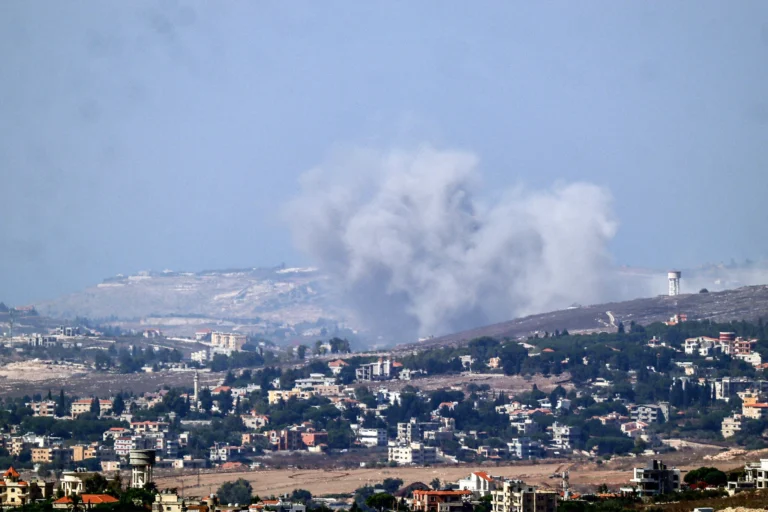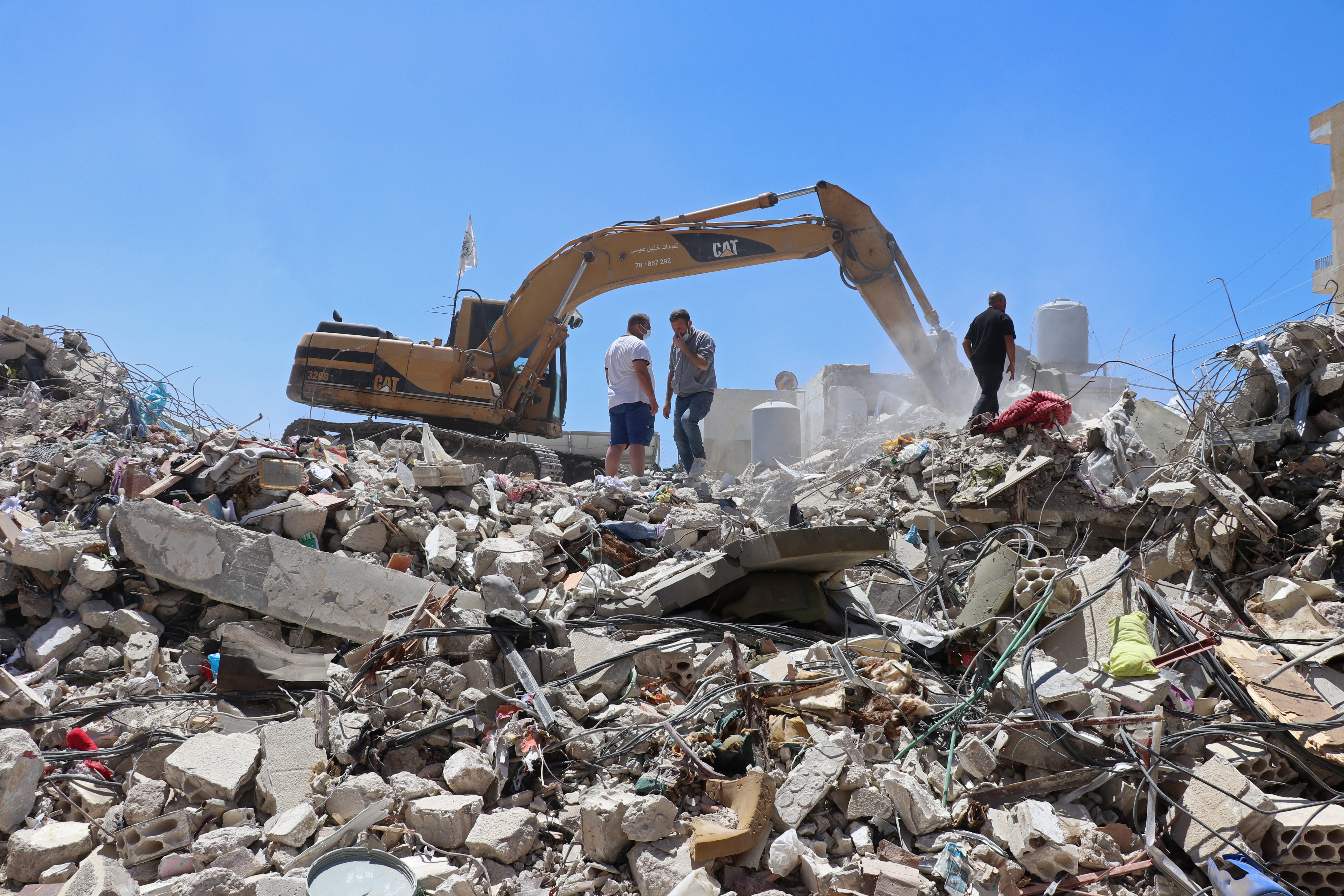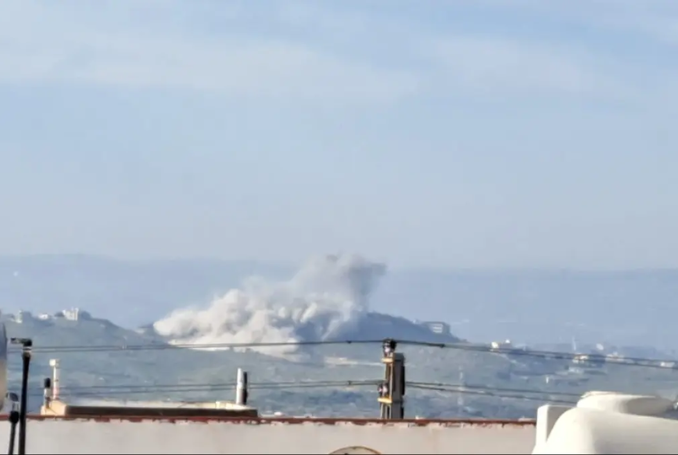
Israeli airstrikes intensified across southern Lebanon early Friday, killing at least 10 people in several strikes and causing widespread destruction, according to reports. The series of attacks marked a significant escalation, with Israel carrying out multiple airstrikes across the region throughout Friday. Al Mayadeen reported that three people were killed in a raid targeting a house in the town of al-Luwaiza in the Jezzine district at dawn. The Lebanese National News Agency (NNA) stated that an airstrike late Thursday on Kfar Rumman killed five people, including a man and his three sons, with the Lebanese army confirming that soldier Ali Jaber died in the strike. The NNA detailed that the five individuals, including a father and his three sons, lost their lives in the strike on Kfar Rumman. The Lebanese army specifically identified Ali Jaber as a soldier killed in this particular strike, showing the military and civilian toll. Reports indicated Israeli raids killed civilians across southern Lebanon as bombardment expanded despite continuing ceasefire violations and a displacement crisis, a situation described by Palestine Chronicle Staff. An airstrike on Habboush around the same time killed six people, including a woman and a child, and wounded eight, as reported by the Health Ministry. This incident in Habboush occurred around the same time Israel’s military urged residents of the village to evacuate, noting the immediate danger to civilians. The Health Ministry additionally stated Friday that the war's death toll reached 2,618, while 8,094 individuals were wounded. This updated toll reflects the severe and ongoing human cost of the conflict.
Expanding Bombardment and Destruction
Deadly raids targeted the districts of Shoukin, Harouf, Nabatieh, Tyre, Bint Jbeil, and Hasbaya. An Israeli strike on the town of Shoukin shortly after midnight killed civilians and wounded several others, including Shoukin mayor Hussein Ali Ahmad. The attack reportedly destroyed residential buildings and caused massive damage throughout an entire neighborhood. The mayor of Shoukin was wounded as residential neighborhoods suffered widespread destruction in the strikes. This particular strike on Shoukin, occurring shortly after midnight, caused significant civilian casualties and infrastructural damage, impacting local leadership. Israeli raids also targeted Harouf, Shoukin, and the heights of the Tuffah region overnight. These overnight operations indicate a sustained and broad military campaign across various strategic and residential areas.
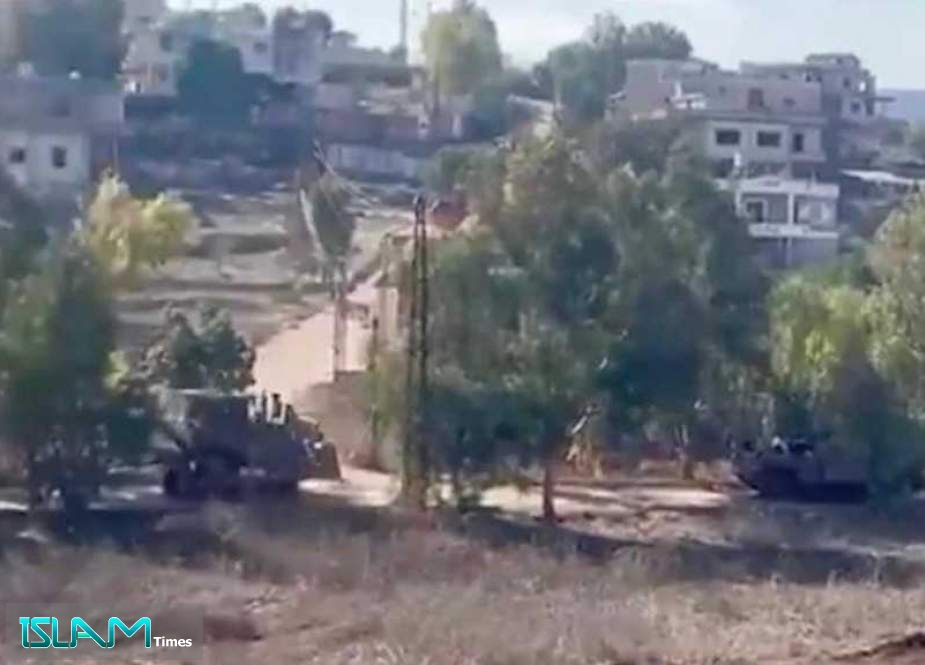
Drone strikes and artillery shelling continued to target roads, homes, and civilian areas across southern Lebanon. These ongoing attacks by drones and artillery contribute to the widespread damage and disruption of daily life for residents. Additional strikes hit Zawtar al-Sharqiyah, Adshit, Shoukin, and Mayfadoun in the Nabatieh district. The repeated targeting of these areas points to their strategic significance within the conflict zone. Israeli aircraft also targeted a vehicle on the Kfardjal–Nabatieh road, suggesting a focus on transportation routes and potentially identified targets. Drones struck areas near al-Saada Bakery close to al-Quds roundabout in Nabatieh city, indicating strikes in densely populated urban environments. The targeting of areas near civilian establishments like bakeries raises concerns about the safety of non-combatants.
Israeli warplanes bombed Majdal Zoun in the Tyre district, Burj Qalawiya in Bint Jbeil, and Qounine. These aerial bombardments occurred amid heavy artillery shelling targeting Touline and Qabrikha. The combined aerial and artillery assaults demonstrate a multifaceted approach to military operations. An additional airstrike targeted Kfarshouba in the Hasbaya district, further extending the scope of the operations. The targeting of Kfarshouba shows the broad geographical reach of the Israeli military actions across southern Lebanon. The state-run National News Agency also reported that four people were killed in strikes on three other southern villages, further illustrating the widespread impact of the bombardment on civilian populations.
Ceasefire Violations and Escalation
Airstrikes expanded throughout the districts of Tyre, Bint Jbeil, Marjeyoun, and Hasbaya. The Lebanese National News Agency (NNA) reported additional strikes on Siddiqine, al-Smaaiyah, Shaaitiyeh, and areas situated between Kafra and Yater. These reports from the NNA confirm the broad geographical expansion of the military operations, affecting numerous communities. Drone strikes targeted roads around Shoukin and Nabatieh, with reports indicating multiple injuries. The targeting of roads suggests an effort to disrupt movement and infrastructure, which can have significant civilian consequences. Israeli artillery shelling continued, targeting residential outskirts and open areas across the south. Al Mayadeen’s correspondent reported shelling around Majdal Zoun and al-Mansouri in the Tyre district. Hostile artillery also struck the outskirts of Froun, Ghandoorieh, and Wadi al-Slouqi. These continuous artillery bombardments exacerbate the destruction and danger for residents in these border areas. Throughout this period, intensive Israeli aerial overflights continued across southern Lebanese airspace, maintaining a constant presence and threat.
Lebanese sources say these latest attacks reflect the continued collapse of the ceasefire framework that followed the Iran-US confrontation earlier this year. The statements from Lebanese sources highlight a perception of a breakdown in international efforts to de-escalate the conflict. Israel’s military and Hezbollah kept up their attacks despite a ceasefire that had been in place since April 17 and was later extended by three weeks. This ongoing mutual engagement, despite a declared truce, shows the fragility of any cessation of hostilities. Reports indicated Israel has continued carrying out strikes across Lebanese territory despite the declared truce, including attacks on Beirut and southern towns since April 8. The persistence of these strikes, even after a ceasefire was supposedly in effect, demonstrates a disregard for the established agreements. The bombardment has repeatedly targeted residential areas, infrastructure, roads, and civilian facilities. This pattern of targeting has severe implications for the civilian population and the country's infrastructure. The continuing escalation has also fueled further displacement across southern Lebanon as attacks intensify across multiple districts simultaneously. The widespread nature of the attacks is leading to a growing humanitarian crisis as more people are forced to leave their homes.
Humanitarian Impact and Civilian Toll
Civil defense teams from the Islamic Risala Scout Association and the Islamic Health Authority have been working to clear roads and remove rubble in Qlawyeh and Borj Qlawyeh, following recent attacks in those areas. These efforts by civil defense teams are key for restoring some semblance of normalcy and access in affected communities. The state-run National News Agency reported that four individuals were killed in strikes targeting three other southern villages. This further emphasizes the broad and deadly impact of the strikes on civilian populations across multiple locations. The ongoing conflict has taken a significant toll on humanitarian workers, with the Lebanese Red Cross confirming that two of its volunteers have been killed and 18 others wounded by Israeli strikes. These incidents contribute to a broader pattern of casualties among medical personnel, noting the extreme dangers faced by those providing essential aid. According to the country’s Health Ministry, more than 100 health workers have been killed in Lebanon throughout the duration of the war. This alarming statistic from the Health Ministry shows the severe risks faced by those providing essential services amidst the intensified bombardment across southern Lebanon. Damage to infrastructure and the continued loss of life show the escalating humanitarian crisis. The cumulative impact on healthcare providers and infrastructure threatens the ability to respond to the growing medical needs of the population.
Cross-Border Exchanges
Hezbollah stated it fired rockets and drones into northern Israel, where two soldiers sustained injuries. By Friday afternoon, Hezbollah had issued six statements confirming it had launched drones and rockets targeting Israeli military positions. These multiple statements from Hezbollah indicate a coordinated and sustained response to the Israeli operations. The Israeli military corroborated that an explosive drone launched by Hezbollah landed in northern Israel near the border with Lebanon. This confirmation from the Israeli military validates Hezbollah's claims of cross-border attacks. Israeli media reported a drone strike near Margaliot in northern Israel ignited a fire. The resulting fire near Margaliot suggests the potential for significant damage from these drone attacks. In a separate incident, two soldiers were lightly wounded by a Hezbollah drone impact in the same area. This second incident involving wounded soldiers further illustrates the effectiveness of Hezbollah's drone operations. On Friday afternoon, Israel’s military urged residents of Habboush, a Lebanese village near the southern city of Nabatiyeh, to evacuate. This evacuation warning suggests an anticipation of further military action in the area, putting civilians at heightened risk.