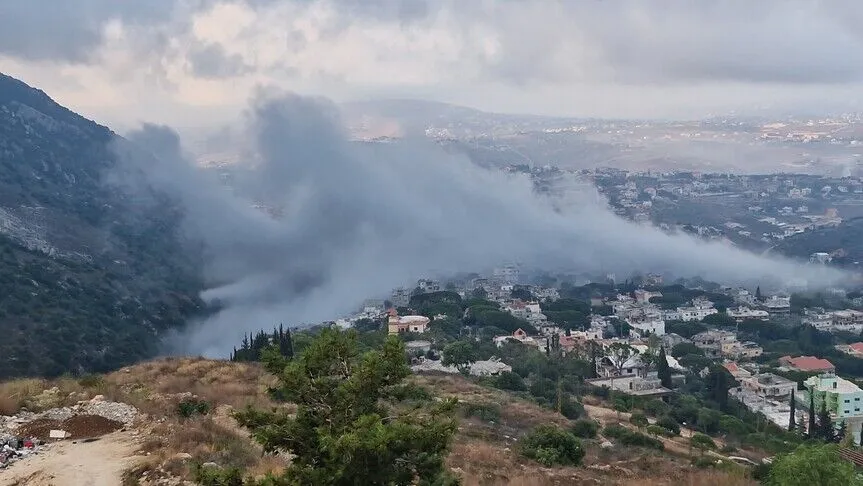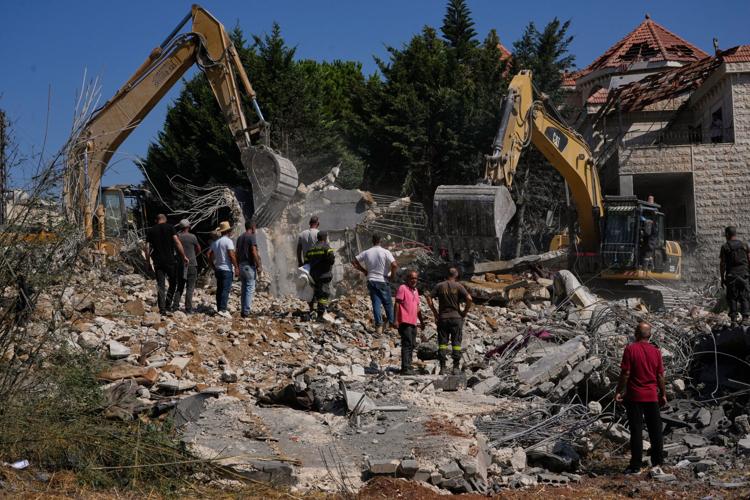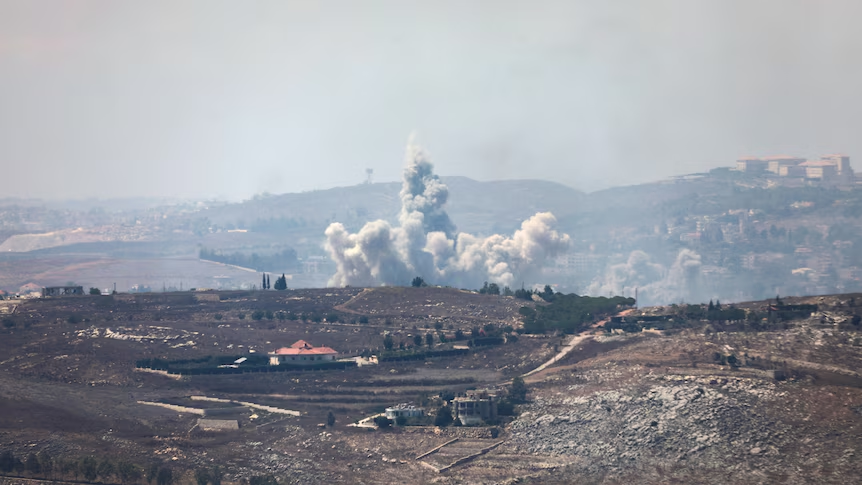
An Israeli airstrike struck a residential home in the town of Nabatiyeh, located in southern Lebanon, causing casualties and injuries. The attack resulted in the death of a mother and father, while injuring their 11-year-old daughter, Zeinab. The strike, which occurred on Wednesday, hit the family's residence, leading to significant damage and distress within the community in southern Lebanon. The incident has drawn attention to the escalating cross-border hostilities between Israel and Lebanon, noting the severe impact on civilian lives in the volatile border region. This particular strike showed the ongoing dangers faced by families residing in areas frequently targeted by military operations.
Deadly Strike on Nabatiyeh Home
An Israeli airstrike killed the parents of Mustafa Farhat, according to reports from Nabatiyeh. The attack specifically targeted their home in the southern Lebanese town. The incident occurred on Monday, September 7, 2026. The strike is part of ongoing hostilities in the region, which have seen a significant increase in intensity over recent months. The residential building, where the family lived, suffered extensive damage, a common outcome in such cross-border incidents. The precision of the strike, hitting a civilian dwelling, has raised concerns among local residents and international observers regarding the rules of engagement in the conflict zone. The loss of life and destruction of property in Nabatiyeh adds to a growing list of civilian casualties in the escalating conflict.
The targeted home in Nabatiyeh was completely destroyed, leaving the children orphaned and injured. Witnesses described the immediate aftermath as chaotic, with rescue teams rushing to the scene to search for survivors amidst the rubble. The Israeli airstrike, which directly impacted the family's residence, has left a profound mark on the small community, further exacerbating fears among the civilian population. Such incidents contribute to a widespread sense of insecurity and displacement in the affected areas of southern Lebanon.
Civilian Toll Mounts
Mustafa Farhat, an 8-year-old boy, was injured during the Israeli airstrike that struck his family's residence in Nabatiyeh. The attack resulted in the deaths of his parents. The child was among the casualties of the strike in southern Lebanon, which has intensified concerns over the civilian impact of ongoing hostilities. Zeinab, 11, was also injured in the Israeli airstrike, suffering wounds that required immediate medical attention. Both children are now grappling with the trauma of losing their parents and sustaining injuries in the attack on their home. The incident has drawn attention to the dangers faced by residents in the border region, particularly the vulnerability of children caught in the crossfire.
The injuries sustained by Mustafa Farhat and Zeinab show the tragic human cost of the ongoing conflict. Their plight reflects the broader humanitarian crisis unfolding in southern Lebanon, where families frequently endure the threat of violence and displacement. Medical personnel in Nabatiyeh reported treating multiple individuals following the strike, with the children's cases being particularly poignant. The long-term physical and psychological effects on these young survivors are a significant concern for local aid organizations and healthcare providers. The international community has repeatedly called for greater protection of civilians in armed conflicts, a plea that resonates strongly with incidents like the one in Nabatiyeh.
Broader Conflict Context
The recent Israeli airstrike in Nabatiyeh occurs within a broader context of escalating hostilities between Israel and Lebanon. This includes regular cross-border exchanges, particularly in southern Lebanon, where incidents have intensified. The ongoing conflict has seen both sides conducting strikes, leading to civilian casualties and damage to infrastructure. The situation is further complicated by regional dynamics, with concerns over potential wider implications for stability in the Middle East. Tensions between Israel and other regional actors, including Iran, frequently influence the dynamics of the conflict along the Israeli-Lebanese border. These exchanges contribute to a volatile environment for residents in affected areas, creating a constant state of alert and uncertainty. The cycle of retaliation and counter-retaliation continues to threaten the lives and livelihoods of civilians, making daily life precarious for those living near the border. The international community remains watchful, urging de-escalation to prevent a full-scale regional conflict.