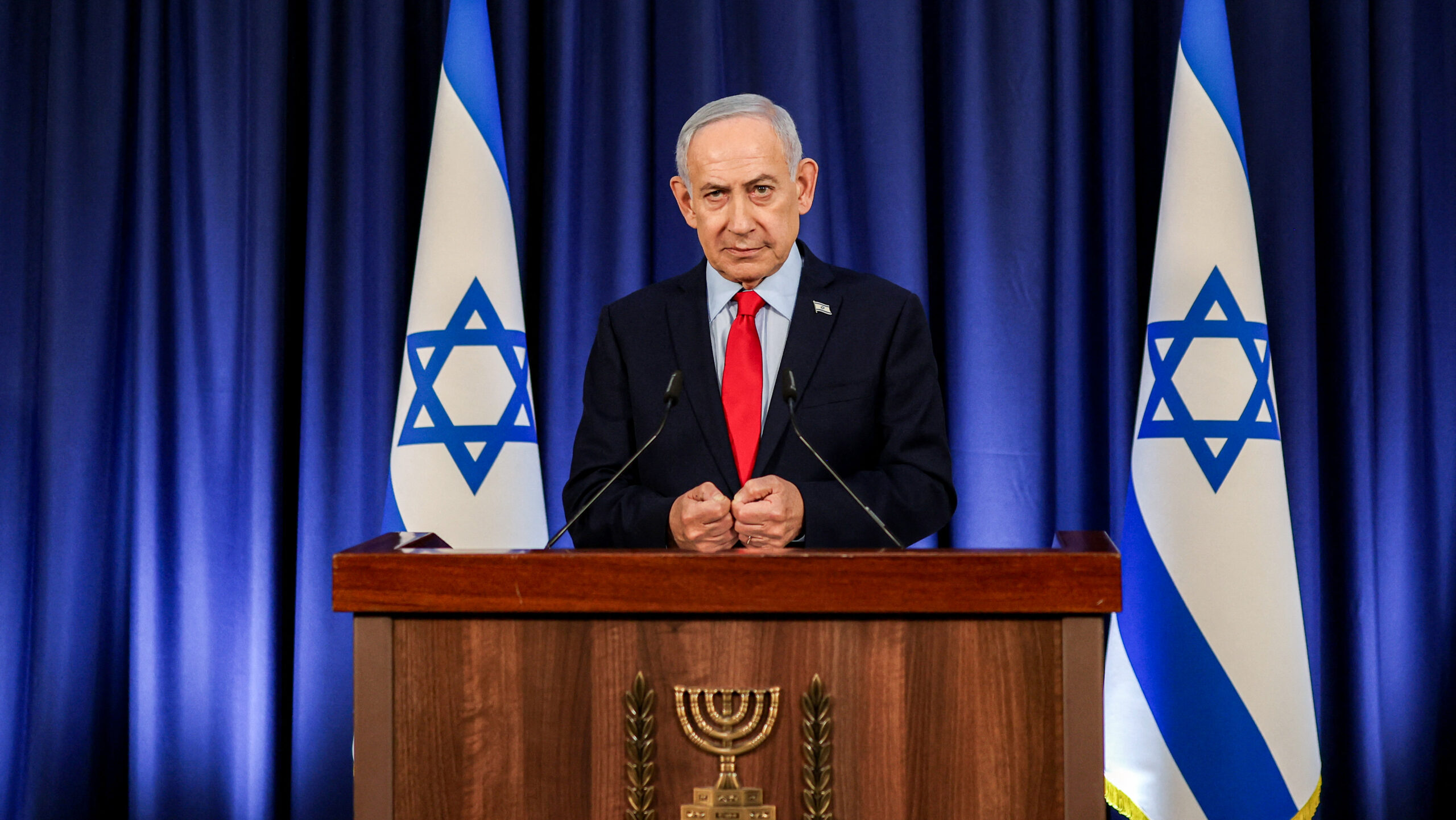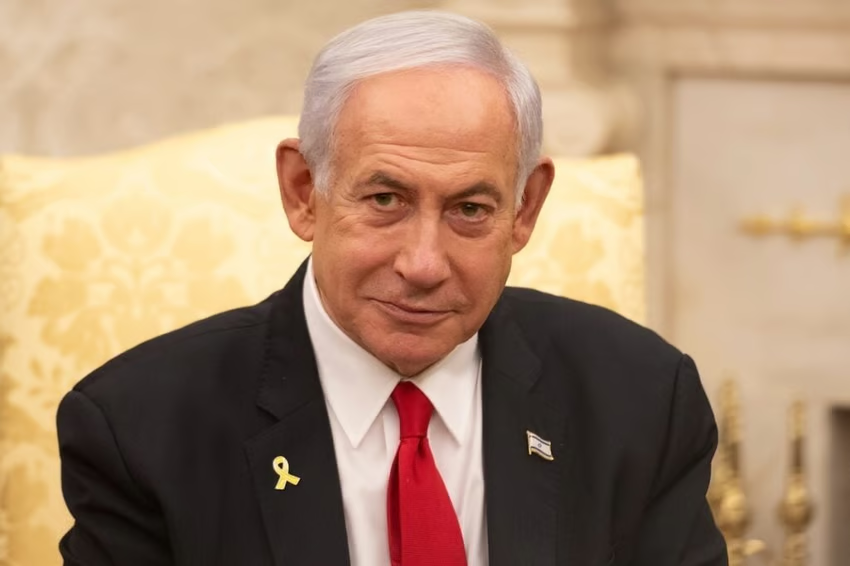
Israel's Defense Minister Israel Katz stated on Monday that Israel would not withdraw from territory seized in Lebanon, as an interim deal between Iran and the United States is pending. These remarks mark the first official Israeli comments following the announcement of the interim agreement. Katz affirmed that Israel would maintain its presence "indefinitely" in the area. He added that any attempt to challenge this stance would be met with "great force," signaling a firm position from the Israeli government.
Context of Iran Deal
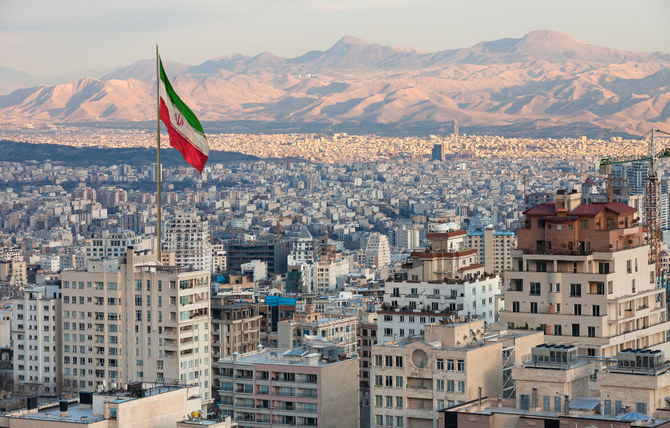
The interim accord between Iran and the United States, which Pakistan announced, is slated for signing on Friday in Geneva. This upcoming agreement has drawn significant attention from regional actors, particularly Israel. Iran has explicitly linked the interim deal concerning the war to a cessation of Israel's attacks on Hezbollah in Lebanon. This condition notes the intricate connections between the ongoing conflicts and diplomatic efforts in the region, with the interim deal serving as a potential pivot point for various parties. The planned meeting in Geneva for the signing shows the diplomatic progress made between the two nations on this critical issue.
Israeli Stance on Territories
Israel's Defense Minister Israel Katz stated that the nation intends to remain "indefinitely" in territories it holds in Lebanon, as well as Syria and the Gaza Strip. This assertion comes as an interim agreement between Iran and the United States approaches its signing, adding a layer of complexity to the regional dynamics. Katz's comments reinforce Israel's long-term intention regarding these areas, indicating a strategic commitment that extends beyond the immediate diplomatic negotiations. The defense minister's declaration specifies Israel's resolve to maintain its presence across multiple fronts, including Lebanon, Syria, and the Gaza Strip, irrespective of the outcomes of the Iran-US deal.
Over the past two and a half years, Israel has gained control of approximately 1,000 square kilometers (386 square miles) of territory across Gaza, Lebanon, and Syria. This significant territorial expansion underlines the defense minister's declaration of an indefinite presence. The areas seized are now part of Israel's current strategic holdings, according to the defense minister, solidifying its operational footprint in these vital regions. The acquisition of these lands reflects a sustained military and strategic effort by Israel over a considerable period. This territorial control forms a key part of Israel's defense posture and its stated policy of non-withdrawal.
Threats and Retaliation
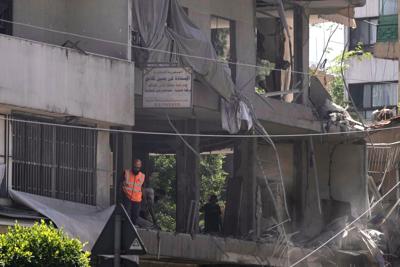
Israel's Defense Minister Israel Katz also issued a direct warning to Iran regarding any potential retaliatory actions. Katz stated that if Iran were to attack Israel in response to Israeli strikes in Lebanon, Israel would respond with "great force." This declaration by the defense minister shows the potential for a broader regional escalation, noting the high stakes involved in the ongoing tensions. The warning follows the ongoing tensions between Israel and Iran, particularly concerning Israel's military operations in neighboring territories. Katz's remarks signal Israel's readiness to defend its actions and interests against any perceived threats from Iran, drawing a clear line regarding its response to aggression. The statement indicates a clear red line for Israeli defense policy, emphasizing a strong and decisive response to any direct Iranian aggression against Israel, especially if such aggression is a direct consequence of Israeli military actions in Lebanon. This strong stance aims to deter any potential Iranian retaliation and protect Israeli security interests in the volatile region.