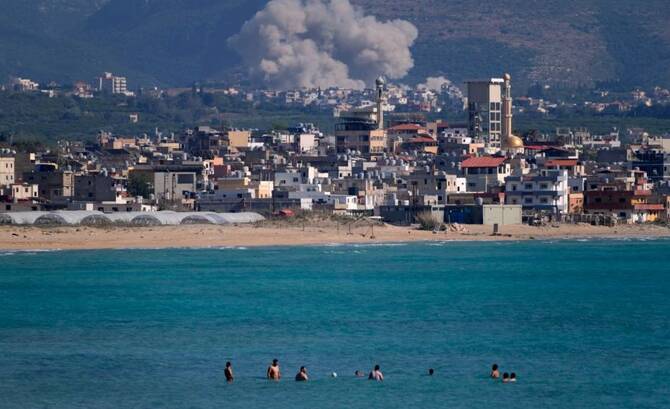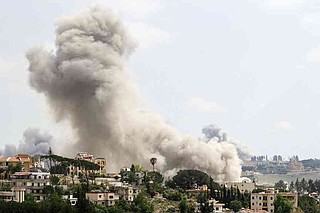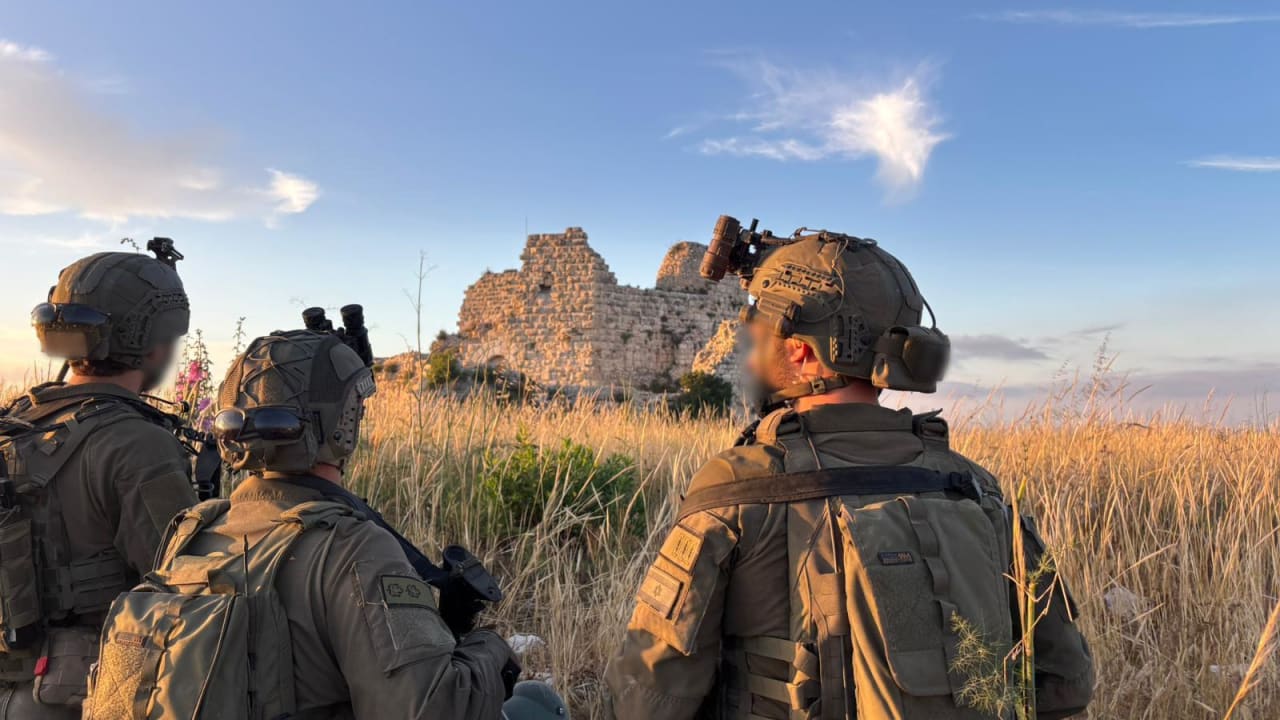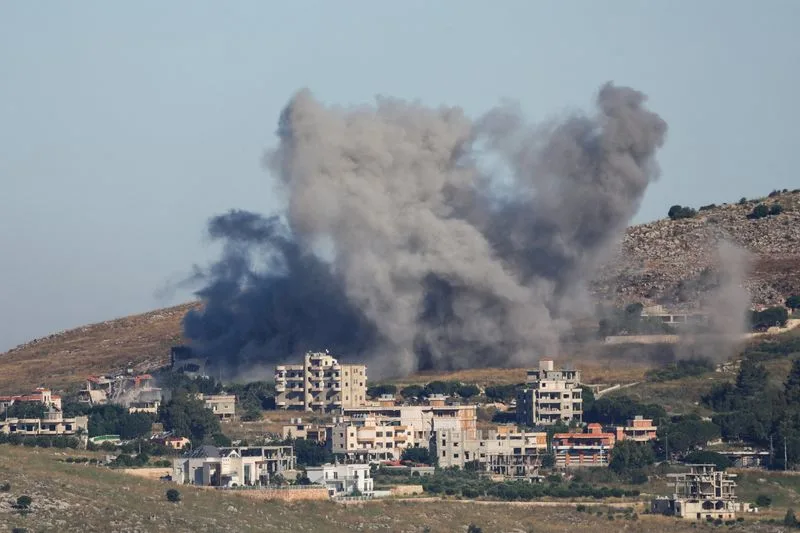
An Israeli drone strike on Saturday, May 9, 2026, targeted a car in Lebanon, just south of Beirut, wounding two people and damaging the vehicle in the Khalde area. The strike occurred several kilometers south of the Lebanese capital. These events occurred as Israel's military reported intercepting a hostile aircraft that had crossed into northern Israel from Lebanon. An Israeli military spokesperson stated that the aircraft was most likely a drone launched by Hezbollah. Reports indicated that the drone interception followed the strike near Beirut, several kilometers south of the Lebanese capital. Israel asserted the aircraft was hostile and likely originated from Hezbollah. The Israeli military confirmed that the hostile aircraft had crossed into northern Israel from Lebanese territory.
Escalation Near Capital
Wednesday marked the closest attack to Beirut since U.S. President Donald Trump asked Israel not to hit the Lebanese capital. That agreement was announced by President Trump and the Lebanese embassy in Washington on Monday. Israel had previously pounded Beirut's southern suburbs, known as Dahiyeh, early in the conflict. However, the military has carried out only two strikes there since President Trump declared a Lebanon ceasefire in April. Israeli Defense Minister Israel Katz stated on Tuesday that Israel would strike the southern suburbs if northern Israel was attacked. This statement showed the delicate balance of the ceasefire and the potential for rapid escalation. The drone strike in the Khalde area on Saturday, May 9, 2026, further noted the ongoing tensions and the proximity of recent military actions to the Lebanese capital.
Wider Strikes in South
Other Israeli airstrikes took place across southern Lebanon. Lebanese security sources reported that Israeli drones struck at least 10 vehicles in the area on Wednesday. These widespread strikes across southern Lebanon suggest a broader campaign of military action beyond the immediate vicinity of Beirut. Hezbollah, a key player in the conflict, stated it had conducted 13 operations against Israeli forces in southern Lebanon on Tuesday. This declaration from Hezbollah indicates a continued pattern of engagement and retaliation in the southern border regions. The Israeli military issued new warnings to residents of six villages and towns in southern Lebanon, instructing them to evacuate their homes. These evacuation orders suggest an anticipation of further military operations and a desire to minimize civilian casualties in areas deemed to be active conflict zones. The ongoing exchanges of fire and the issuance of evacuation warnings point to a volatile situation in southern Lebanon, with both sides actively engaged in military operations.
Regional Tensions and Diplomacy
The broader conflict has raged since March 2, when Hezbollah initiated attacks in solidarity with Iran, which was facing a U.S.-Israeli offensive. This initial action by Hezbollah marked the beginning of the current escalation, drawing multiple regional actors into the conflict. Iran has demanded a ceasefire in Lebanon as a condition for any agreement with the United States to conclude the wider war. This demand positions the Lebanese front as a key component of any broader diplomatic resolution. The Iranian government has also suggested it could intervene directly to support Hezbollah if Israel escalates its attacks within Lebanon. This warning from Iran adds another layer of complexity and potential for a wider regional conflict. Iran's military issued a warning on Monday, advising residents of northern Israel to evacuate if Israel were to attack Beirut. Such warnings show the high stakes involved and the potential for a significant humanitarian impact should the conflict intensify.
Meanwhile, Lebanese and Israeli government representatives are scheduled to meet in Washington later on Wednesday for a second consecutive day of talks. This meeting marks their fourth face-to-face encounter, facilitated by the United States, since the conflict began. The ongoing diplomatic efforts in Washington, despite the simultaneous military escalation, highlight the international community's attempts to de-escalate the situation. These talks, facilitated by the United States, represent a critical channel for communication and negotiation between the warring parties, even as military actions continue on the ground. The persistence of these diplomatic engagements, even amidst heightened tensions, shows the urgent need for a resolution to the conflict.
Human Cost of Conflict
Nearly 3,500 people have been killed in Lebanon by Israeli attacks since March 2, according to Lebanon's health ministry. The ministry specified that this figure includes 705 women, children, and medics, noting the significant civilian toll of the conflict. The detailed breakdown provided by the Lebanese health ministry paints a grim picture of the humanitarian impact, emphasizing the vulnerability of non-combatants in the affected areas.
Meanwhile, Israel reported that 26 of its soldiers and four civilians have been killed in Hezbollah attacks since March. These figures highlight the human toll on both sides of the conflict, demonstrating that both Israel and Lebanon are experiencing significant losses. The casualties on both sides show the severe consequences of the ongoing hostilities and the urgent need for a lasting cessation of violence. The cumulative loss of life on both sides serves as a stark reminder of the devastating impact of the conflict on individuals and communities.