Israel has reportedly sought to exclude Lebanon from any potential deal between the United States and Iran, according to the Hebrew-language outlet Walla. This development comes as the United States and Iran are understood to be nearing the finalization of an agreement aimed at ending the West Asia war. The potential agreement seeks to address broader regional stability, yet Israel's reported demands regarding Lebanon introduce a significant point of contention.
Israel's Demands on Lebanon
Sources informed Walla that Israel has communicated its desire to continue its military campaign in Lebanon, emphasizing that it should be permitted to maintain bombardment and ground raids within the country. These sources also indicated that Israel has explicitly sought to refuse any end to its military campaign in Lebanon. Israel has reportedly conveyed to the United States its intention to continue occupying Lebanese territory up to seven to eight kilometers inside the country, alongside ongoing nationwide bombing and raids. This declared intention shows a strategic objective to maintain a significant military presence within Lebanese borders.
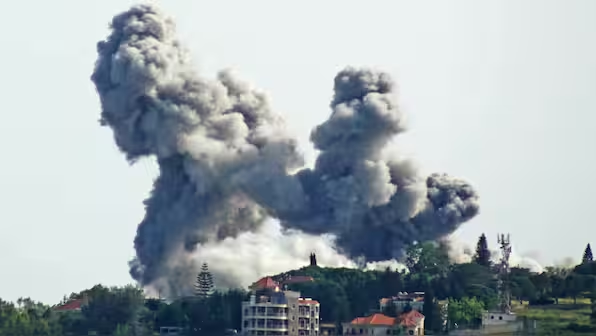
Israel has stated it would indefinitely occupy territory in southern Lebanon, extending up to the Litani river, which is approximately 30 kilometers inside the country. This proposed occupation, reaching a considerable distance into Lebanese territory, suggests a long-term strategic goal beyond immediate military operations. Ynet has reported that the Israeli military has prepared plans to establish outposts across southern Lebanon to prevent residents from returning to their homes. These plans for permanent outposts highlight a potential shift towards a more enduring presence. Israeli media have also indicated that the military has intensified its campaign inside Lebanon. This ramp-up comes amid concerns that Israel might be instructed to cease bombardment and raids if the potential US-Iran deal encompasses the Lebanese theater. The increased military activity could be interpreted as an effort to establish facts on the ground before any diplomatic resolution takes hold.
Lebanese and Regional Context
Hezbollah leader Naim Qassem has called for the inclusion of the Lebanese theater in any potential agreement between the United States and Iran. Qassem also stressed that the group would not disarm. This stance from Hezbollah follows an incident last month where Israel reportedly refused to observe a US-Iran ceasefire regarding Lebanon, continuing its bombing campaign within the country. That refusal to observe a ceasefire notes the deeply entrenched nature of the conflict and the challenges of achieving a full cessation of hostilities.
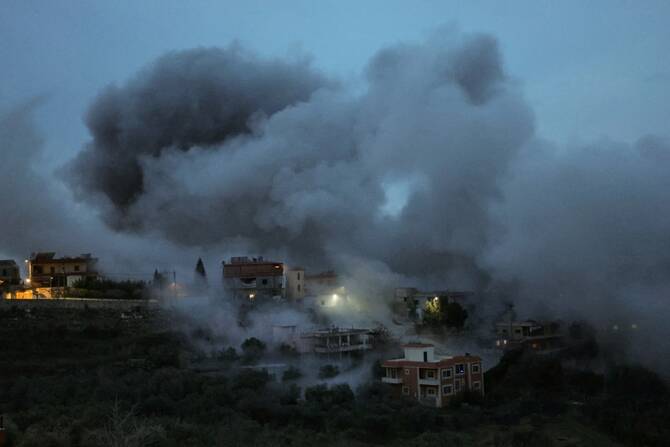
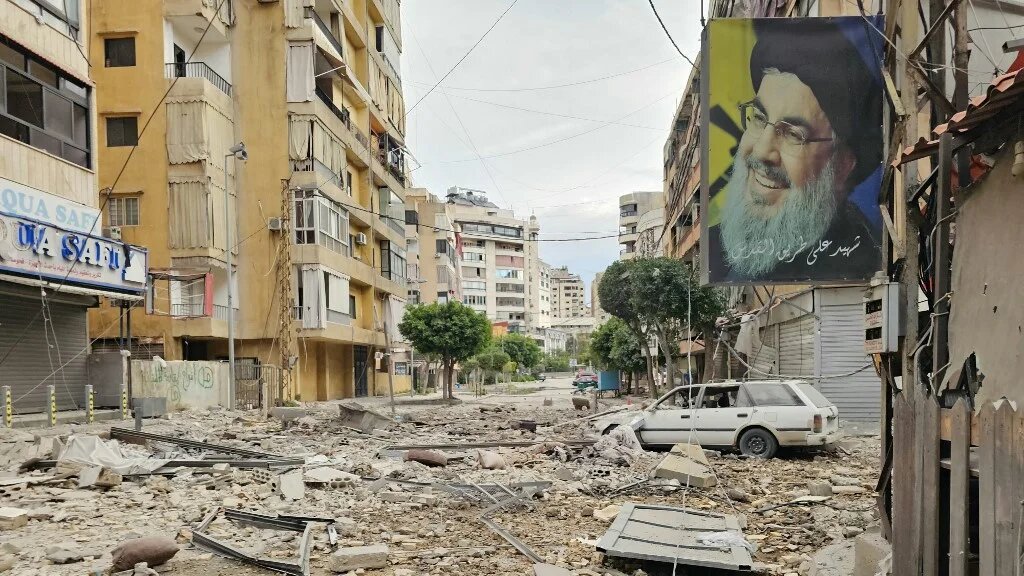
The ongoing conflict has resulted in significant displacement and destruction. Israel has expelled around 600,000 Lebanese nationals from their homes in occupied areas, according to reports. This mass displacement represents a severe humanitarian crisis, forcing a large segment of the population to abandon their residences and livelihoods. Additionally, Israel has ordered the destruction of these homes, exacerbating the humanitarian situation for those displaced and making their return even more difficult. The systematic destruction of homes further complicates any future peace efforts and reconstruction. The calls for Lebanon's inclusion in any deal and the continued military actions show the complex regional dynamics surrounding a potential US-Iran agreement. The interconnectedness of regional conflicts means that a deal focusing solely on Iran's nuclear program or the Strait of Hormuz might not fully address the broader security concerns in West Asia.
US Diplomatic Stance
US Secretary of State Marco Rubio stated that a potential deal between the United States and Iran could be finalized as early as Monday. Rubio indicated that any agreement would address critical issues concerning the Strait of Hormuz and Iran's nuclear program. These two areas are central to international security and energy markets, making their resolution a high priority for the United States. He also provided an update on the timeline for the deal's finalization. "We thought we might have some news last night. Maybe today. I wouldn’t read too much into it," Rubio said, suggesting that a resolution was imminent but subject to ongoing negotiations. The Secretary of State's comments highlight the diplomatic efforts to conclude an agreement that could reshape regional dynamics. However, Israel's reported demands regarding Lebanon present a significant challenge to the full nature and regional acceptance of any such agreement.