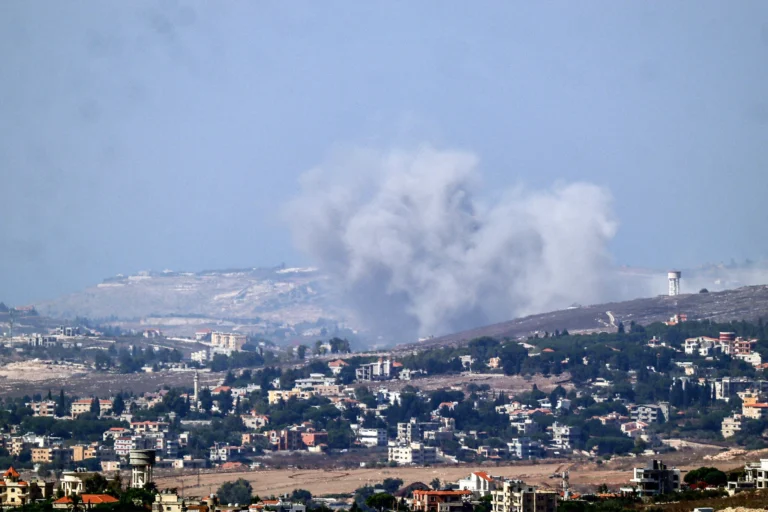
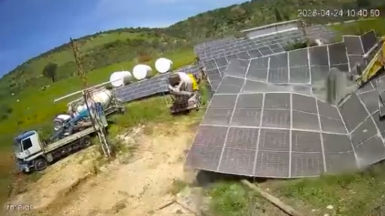
Israel carried out strikes across southern Lebanon on Saturday, targeting approximately 70 military structures and 50 Hezbollah infrastructure sites across several areas. The Israeli military claimed these attacks hit dozens of targets. The operations constitute the latest reported violations of a ceasefire that theoretically began on April 16, following weeks of fighting between Israel and Hezbollah. This ceasefire has reportedly been in place since that date, though breaches have occurred. Israeli attacks have killed more than 2,000 people in Lebanon since March 2, according to reports, with casualty tolls varying slightly between different accounts. The attacks mark the latest violations of a ceasefire that began on April 16 after weeks of intense fighting between Israel and Hezbollah.
Escalation Amidst Fragile Truce
Israeli air strikes and Hezbollah rocket attacks intensified over the weekend in southern Lebanon and northern Israel, marking a significant escalation in the ongoing conflict. The Israeli military reported on Friday that it had "eliminated" six Hezbollah fighters during an exchange of fire in the Bint Jbeil area of southern Lebanon. This incident showed the fragile nature of the existing truce. Heavy Israeli air strikes were subsequently reported across dozens of towns in southern Lebanon on Sunday, including within Bint Jbeil itself, indicating a broad scope to the recent military actions.
Hezbollah began responding with rockets and drones aimed at Israeli troops both inside southern Lebanon and across the border into Israel. Hezbollah claimed several of these attacks targeted Israeli troops, stating they were in direct response to Israeli ceasefire violations. These retaliatory actions by Hezbollah highlight the tit-for-tat nature of the escalation. Israeli forces later confirmed a claim by Iran-aligned Hezbollah that the group had used a missile to shoot down an Israeli drone in southern Lebanon, further illustrating the advanced capabilities being deployed by both sides.
The Israel Defense Forces (IDF) stated that its troops had killed more than 20 Hezbollah fighters operating from a hospital compound in Bint Jbeil. This claim by the IDF points to a significant engagement in a sensitive location. However, Lebanon's health ministry denied the IDF's claim, accusing Israel of deliberately targeting civilians and medical facilities. This exchange of accusations shows the deep mistrust and conflicting narratives surrounding the conflict. The Israeli army had previously ordered residents of nine southern villages to evacuate their homes, a measure often preceding intensified military operations in civilian areas. Since the ceasefire began, twelve Israeli soldiers and two civilians have been killed by Hezbollah. These casualties on the Israeli side demonstrate the continued threat posed by Hezbollah's operations despite the theoretical ceasefire.
Humanitarian Toll and Civilian Impact
The recent escalation has had a severe humanitarian toll on the civilian population. The Lebanese Health Ministry reported that an Israeli air strike in the southern area of Touline resulted in the deaths of two individuals, adding to the growing number of non-combatant casualties. In a separate incident, several people sustained injuries during an Israeli artillery attack on the town of Yater, also located in southern Lebanon. These attacks on civilian areas and the resulting injuries highlight the indiscriminate nature of some of the fighting. Among the casualties of the recent violence was Taleen Saeed, a child just under two years old, who was killed when a strike occurred during her father's funeral. This tragic event shows the profound impact of the conflict on the most vulnerable. Her seven-year-old sister, Aline, suffered severe burns in the same incident and was hospitalized, further illustrating the devastating consequences for families caught in the crossfire.
The weekend strikes also impacted emergency services, leading to the death of a Lebanese Red Cross rescuer while on duty. Lebanese authorities have stated that more than 80 rescuers and medical personnel have been killed in Israeli strikes since the conflict began, indicating a systematic risk faced by those providing essential aid. The humanitarian consequences extend to widespread displacement, with approximately 1.2 million people displaced across Lebanon, forced to leave their homes due to the ongoing violence and insecurity. Concurrently, tens of thousands of individuals have been displaced in northern Israel, facing similar hardships as they seek safety away from the border regions.
Israel has maintained its attacks on southern Lebanon, continuing operations hours after a ceasefire between the two countries was extended for an additional three weeks. This continuation of hostilities despite diplomatic efforts points to a fundamental disagreement on the terms and enforcement of any truce. Hezbollah, however, has rejected this initiative and has organized protests in central Beirut, signaling its defiance and unwillingness to adhere to the extended ceasefire under current conditions. This rejection from Hezbollah further complicates efforts to de-escalate the situation and achieve a lasting peace.
Diplomatic Efforts and Ceasefire Terms
Amidst the ongoing violence, diplomatic efforts are underway to address the escalating conflict. Lebanese, Israeli, and US officials are scheduled to convene in Washington on Tuesday for discussions aimed at finding a path forward. The Lebanese president's office informed the BBC that these talks would concentrate on the conditions necessary for a ceasefire, potentially leading to formal negotiations if an agreement is reached. This indicates Lebanon's desire for a structured approach to de-escalation. Conversely, Israel's embassy in Washington stated that it has declined to discuss a ceasefire with Hezbollah, asserting that the upcoming talks would instead initiate formal peace negotiations. This stance from Israel suggests a preference for a more full and long-term resolution rather than a temporary cessation of hostilities.
The existing ceasefire text explicitly allows Israel to act against "planned, imminent or ongoing attacks." This clause provides Israel with a legal basis, from its perspective, to continue military operations even within the framework of a ceasefire, which often leads to disputes over what constitutes a legitimate defensive action. Despite a separate ceasefire between the US and Iran, fighting has persisted, with Israel maintaining that this agreement does not apply to its military campaign in Lebanon. This distinction notes the complex web of regional conflicts and alliances, where one agreement does not necessarily translate to peace in another theater. Lebanon's Prime Minister Nawaf Salam confirmed that efforts to end the conflict were continuing, even as the fighting has intensified, showing the persistent diplomatic push despite the challenging circumstances on the ground.
In a related diplomatic move, Lebanese army chief Rodolphe Haykal met with US General Joseph Clearfield on Saturday. General Clearfield leads a five-member committee responsible for monitoring a 2024 ceasefire, indicating an international effort to oversee and enforce any agreements. Meanwhile, the Israeli military has issued a forced evacuation order for the town of Deir Aames, indicating ongoing operational activities and the continued displacement of civilian populations as military actions proceed.
Broader Conflict and Regional Dynamics
The broader conflict continues to reshape the regional landscape and impact daily life in southern Lebanon. Israel's Prime Minister Benjamin Netanyahu visited Israeli troops who have invaded southern Lebanon, where Israeli forces remain stationed after establishing a "yellow line." This visit by the Prime Minister shows the strategic importance Israel places on its military presence in the area. Israel previously announced the creation of a security buffer zone extending eight to 10km (five to six miles) inside Lebanese territory, a move that has been a significant point of contention and a key driver of displacement.
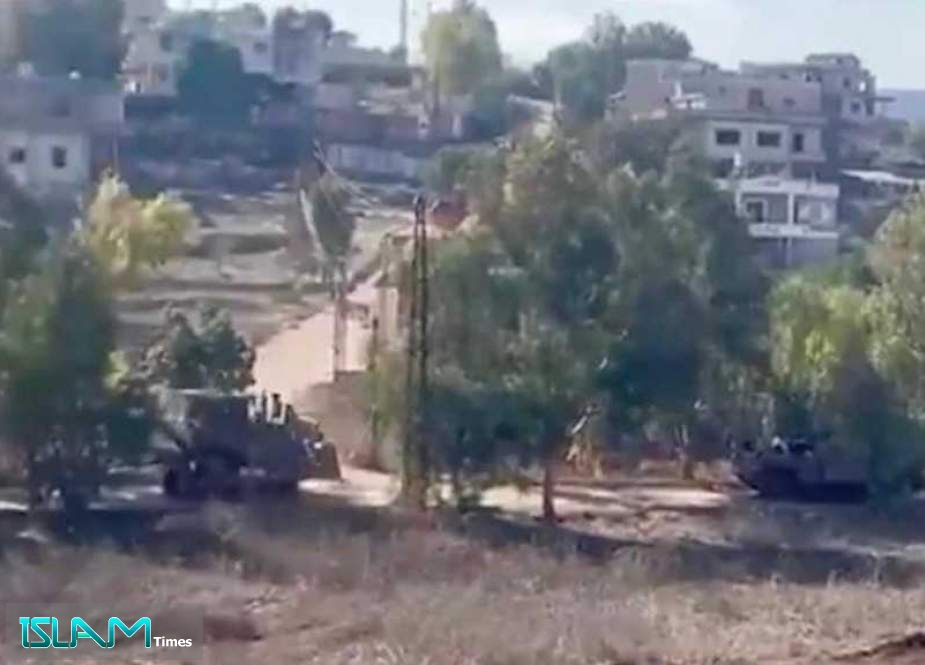
The United Nations Interim Force in Lebanon (Unifil) reported confrontations with Israeli troops, stating Israeli tanks rammed two peacekeeping vehicles on two separate occasions. These incidents highlight the operational challenges faced by international peacekeepers in the volatile border region. The Israel Defense Forces (IDF) said Unifil had not co-ordinated its movements with Israeli forces ahead of time, suggesting a lack of communication or coordination between the international force and the Israeli military. The region has experienced air strikes, drone strikes, home demolitions, and continued occupation of territory in southern Lebanon, painting a grim picture of sustained military activity and its devastating impact on the local populace and infrastructure. These actions collectively contribute to the ongoing instability and humanitarian crisis in the border areas.