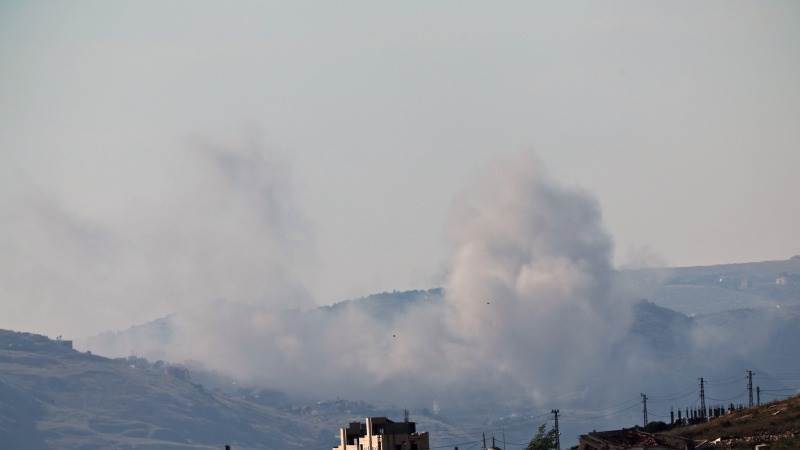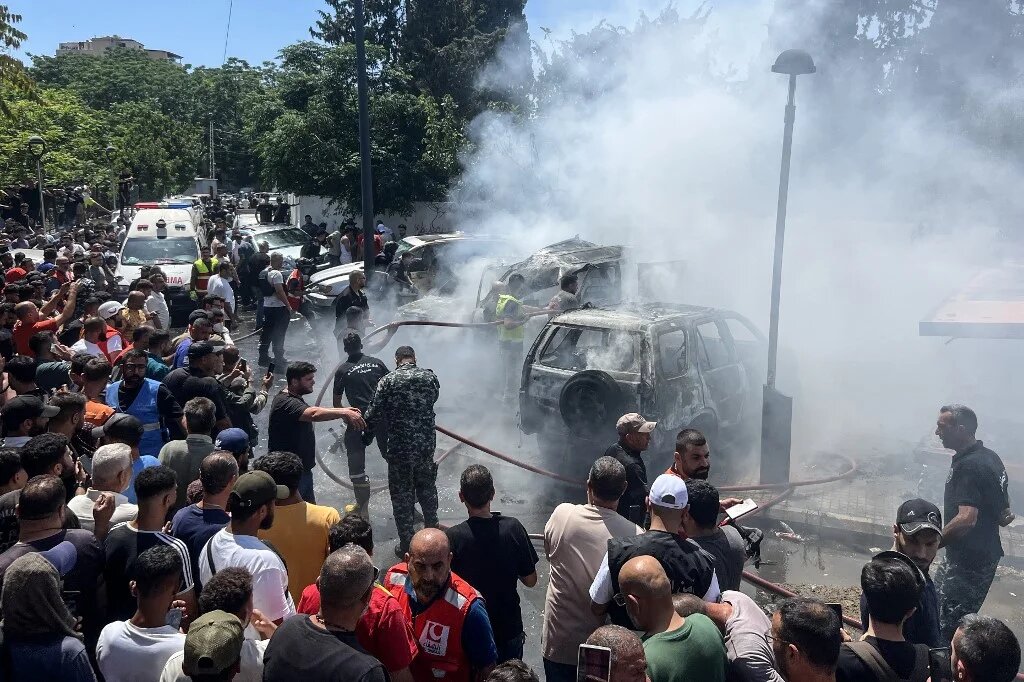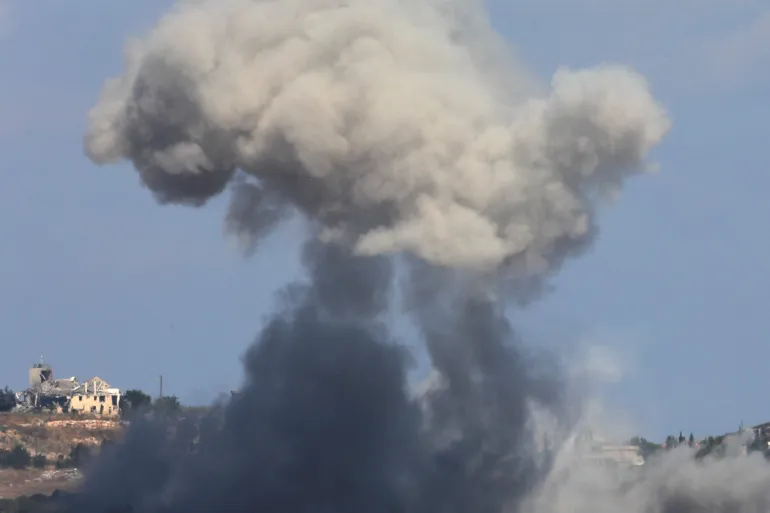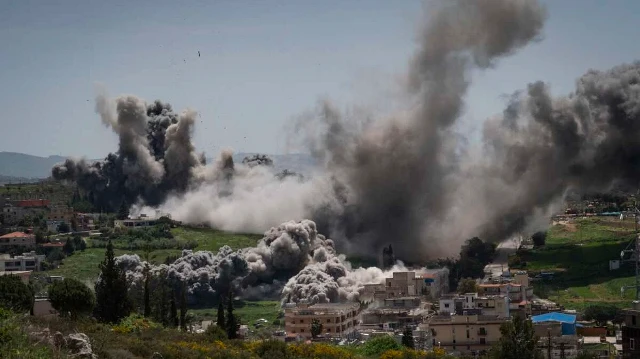
The Israeli military launched fresh airstrikes and artillery attacks on several towns in southern Lebanon on Friday morning, violating a US-mediated ceasefire. The ceasefire, which had been brokered with significant diplomatic effort, had been extended until early July, aiming to de-escalate tensions in the volatile region. Despite this agreement, Israeli forces targeted the Nabatieh, Marjayoun, and Tyre districts in their latest operations, marking a significant breach of the diplomatic understanding. The renewed military activity raises concerns about the stability of the ceasefire and the broader regional security landscape.
Specific Targets Detailed
The series of attacks commenced with a drone strike on the town of Jibshit in the Nabatieh district, according to multiple reports from the ground. This precision strike shows the advanced capabilities deployed in the operation. Following this, Israeli warplanes conducted aerial bombardments, hitting the Arid Debbin area within Marjayoun, causing further damage and alarm among residents. In a separate incident indicating ground operations, the Israeli army detonated explosives in the plain of Khiam. This action suggests a deliberate effort to clear or neutralize specific areas. Israeli forces shelled the outskirts of Buyout al-Sayyad, which is located in the Tyre district, extending the geographical scope of the attacks. Adding to the sense of heightened military presence, drones were observed flying low over Baysariyeh in Sidon, indicating surveillance or preparatory activities in another coastal area. These detailed accounts of military actions highlight the intensity and widespread nature of Friday's operations across southern Lebanon.
Broader Conflict Context
The recent attacks contribute to an already grim humanitarian situation. The death toll from Israel's attacks on Lebanon since March 2 has reached at least 3,711 killed and 11,483 wounded, according to recent figures. These statistics paint a stark picture of the human cost of the ongoing conflict and the severe impact on civilian populations. Meanwhile, Iran has consistently stated its position regarding a broader resolution to the conflict. Tehran maintains that any proposed deal or agreement must include an end to fighting across all fronts, specifically mentioning the cessation of hostilities in Lebanon as a prerequisite for any full settlement. This stance shows the interconnected nature of the regional conflict as perceived by Iranian authorities, emphasizing that peace cannot be compartmentalized. The ongoing military actions in southern Lebanon occur amidst these wider diplomatic and humanitarian considerations, complicating efforts towards a lasting peace. The international community continues to monitor the situation closely, recognizing the potential for further escalation if a sustainable resolution is not achieved.
Diplomatic Efforts Underway
Despite the recent military flare-up, diplomatic channels remain active. US President Donald Trump stated on Thursday that Washington and Tehran are nearing an agreement aimed at resolving the conflict. Trump indicated that both sides are close to finalizing a deal to end hostilities, offering a glimmer of hope amidst the persistent violence. This announcement comes as tensions persist in the region, including the recent military actions in southern Lebanon, making the timing of a potential breakthrough critical. The potential agreement signifies ongoing diplomatic efforts to de-escalate the broader regional conflict and prevent its further expansion. Washington and Tehran have been engaged in discussions for some time, with Trump's statement suggesting significant progress in these sensitive negotiations. The proposed resolution is expected to address various aspects of the protracted conflict, aiming for a full and enduring peace that could alleviate the suffering in affected areas like southern Lebanon. The international community is keenly awaiting further details on this potential agreement and its implications for regional stability.