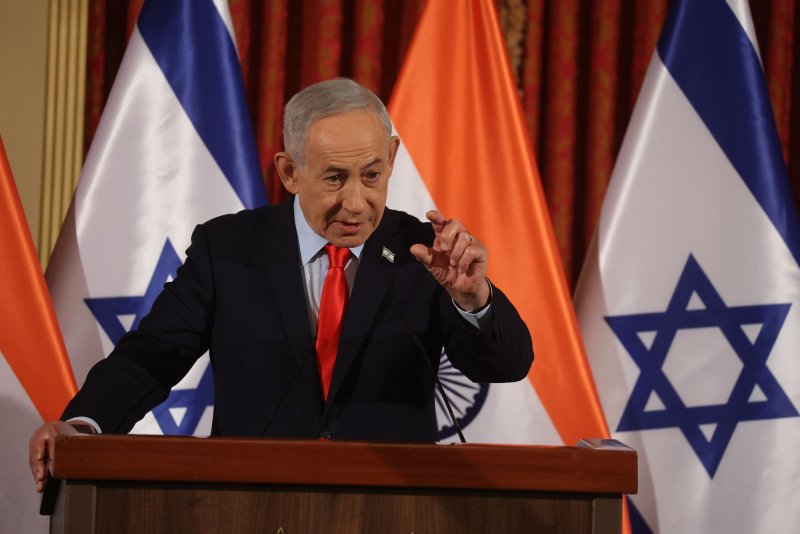
Israeli forces conducted a renewed wave of strikes targeting Hezbollah in Lebanon on Monday, signaling a significant escalation in the ongoing cross-border conflict. The actions came as Prime Minister Benjamin Netanyahu stated the strikes were in response to Hezbollah firing fiber-optic drones. According to Netanyahu, these drones have been targeting northern Israel over the last few weeks, prompting a strong military response from Israel. The intensified operations show Israel's determination to counter threats emanating from its northern border.
Renewed Strikes Detail
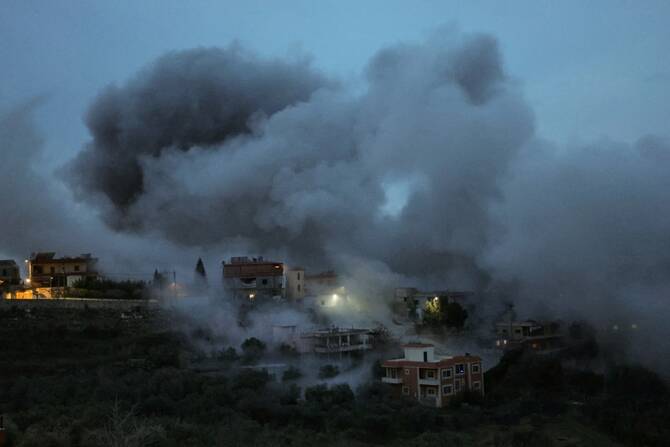
The scale of the recent military operations was substantial. Israeli warplanes launched more than 85 munitions, striking over 70 sites across Lebanon. These extensive operations targeted approximately 10 Hezbollah headquarters and weapons storage facilities in Tyre, a significant city located in southwestern Lebanon on the Mediterranean coast. The precision and volume of these strikes indicate a deliberate effort to degrade Hezbollah's operational capabilities and infrastructure in the region. Military actions also included the elimination of alleged motorcycle-riding Hezbollah operatives in southern Lebanon, according to statements released by the Israeli military. This specific engagement notes the diverse nature of the threats Israeli forces are confronting and the various methods employed by Hezbollah operatives. The Israeli military has not provided further details on the operatives or the circumstances of their elimination, beyond confirming the incident occurred in southern Lebanon.
Broader Conflict Context
The current hostilities are part of a longer trajectory of conflict in the region. Hezbollah initiated attacks on Israel a day after the Israel-Hamas war began on October 7, 2023, marking an early expansion of regional hostilities beyond the Gaza Strip. This initial engagement set the stage for continuous exchanges of fire along the Israel-Lebanon border. In early March, Israel launched renewed attacks on Lebanon, which included the deployment of ground troops, further intensifying the conflict. Despite these escalations, a cease-fire was announced in the larger Iran war in April, signaling a potential de-escalation of broader regional tensions that month. Following these developments, Israel and Lebanon conducted their first diplomatic talks since 1993 in mid-April. This dialogue aimed to address longstanding issues between the two nations amid ongoing cross-border skirmishes, offering a glimmer of hope for diplomatic resolution, even as military actions continued.
Northern Israel Restrictions
In response to the heightened security situation, the Israel Defense Forces (IDF) implemented new, stricter restrictions for residents in northern Israel on Tuesday. These measures are designed to enhance civilian safety in areas vulnerable to cross-border attacks. The changes cap outdoor gathering limits, reducing them significantly from 200 to 50 people. Indoors, the maximum number of attendees for gatherings has also been lowered, from 600 to 200 people. These restrictions reflect an ongoing assessment of the security situation in the region and the perceived threat level to civilian populations in northern communities. The IDF emphasized that these measures are temporary and subject to further review as the security landscape evolves.
Netanyahu's Stance
Prime Minister Benjamin Netanyahu affirmed Israel's unwavering commitment to escalating military actions against Hezbollah, an Iran-backed militia. His recent statements show a strong and uncompromising stance against the group. "We are at war. We are not taking our foot off the gas -- on the contrary. I said to press the gas in Lebanon. We will strike them," Netanyahu stated, unequivocally vowing to intensify attacks. This declaration from the Prime Minister notes Israel's resolve to continue military operations until it deems the threat from Hezbollah sufficiently neutralized.