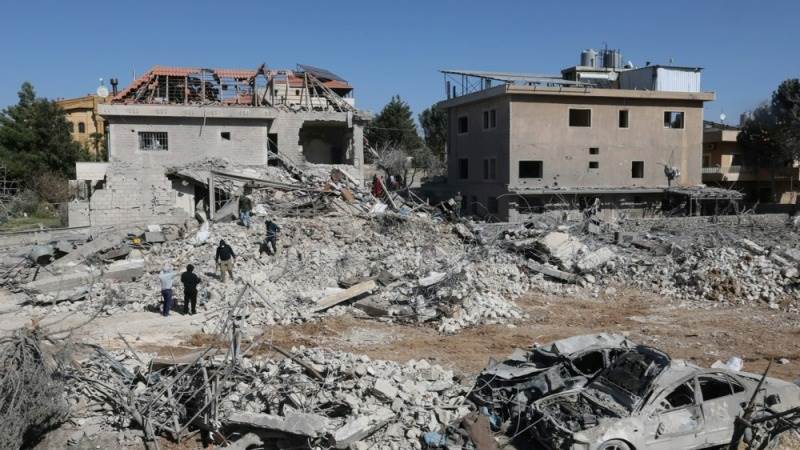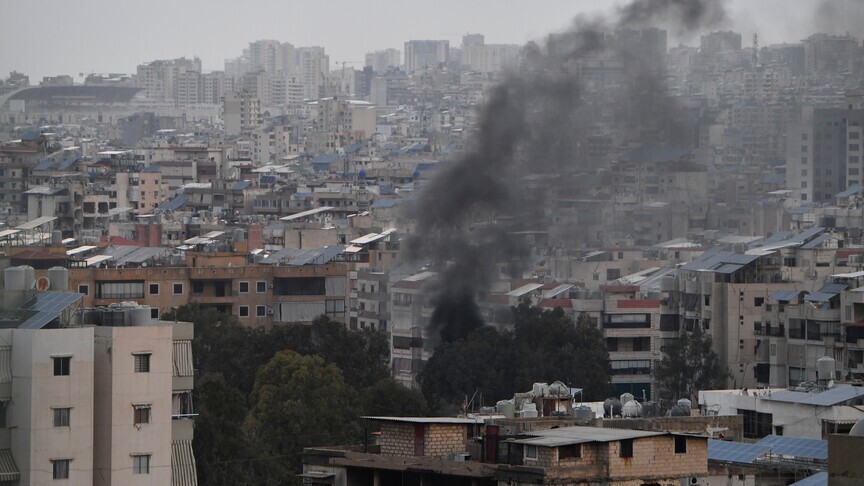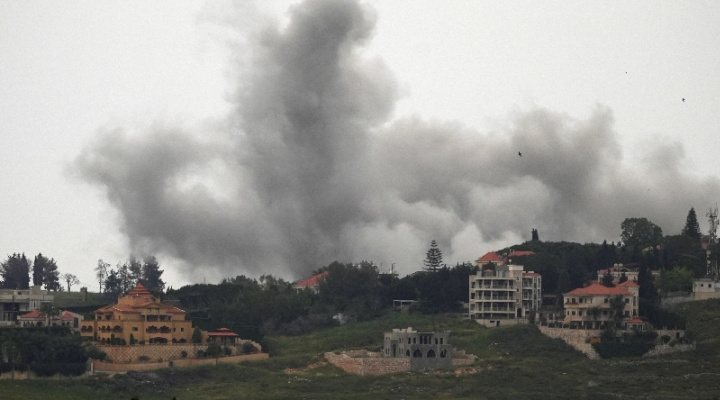
Israel carried out airstrikes in southern Lebanon on Monday, May 18, 2026, as Hezbollah announced new attacks on Israeli forces, despite a US-backed truce extension coming into effect. The hostilities between Iran-backed Hezbollah and Israel have continued since US President Donald Trump first announced a ceasefire on April 16, a date that marked the initial attempt to de-escalate the conflict. This initial ceasefire was intended to bring a halt to the ongoing clashes, but sporadic fighting has persisted, showing the deep-seated tensions in the region. The fighting has been mostly contained to southern Lebanon, a region that has historically been a flashpoint for conflict between the two adversaries.
A 45-day ceasefire extension began at midnight following a third round of US-hosted talks between Lebanon and Israel on Friday. This extension of the US-backed truce, which was a significant diplomatic effort, aimed to provide a more sustained period of calm and potentially pave the way for further negotiations. The initial ceasefire, announced by US President Donald Trump on April 16, had sought to halt the escalating violence. However, despite these diplomatic overtures and the implementation of a truce, the conflict has continued to simmer. Hezbollah, which initiated fire at Israel on March 2, objects to Beirut's participation in these discussions, viewing the talks as illegitimate or counterproductive to its strategic objectives. This objection notes the complex political landscape within Lebanon and the challenges faced by international mediators. Lebanon’s National News Agency reported that Israeli airstrikes targeted more than half a dozen locations across south Lebanon on Monday, indicating that the truce extension had not entirely halted military operations. These strikes show the fragility of the ceasefire and the continued military engagement from both sides.
Escalating Hostilities Reported Amidst Truce
Despite the diplomatic efforts to extend the truce, reports from the ground indicate an escalation of hostilities. An Israeli strike near Baalbeck resulted in the deaths of Wael Mahmoud Abd al-Halim, a commander of the Palestinian Islamic Jihad terrorist group, and his daughter. This incident, occurring despite the ceasefire extension, points to Israel's continued operations against what it identifies as terrorist targets. The strike on a high-value target like a commander of the Palestinian Islamic Jihad terrorist group signals Israel's resolve to neutralize perceived threats, even during periods of supposed de-escalation. The tragic death of his daughter in the same strike adds a grave dimension to the human cost of these military actions.
In a separate development, Hezbollah announced it had launched an explosive drone targeting an Iron Dome air defense position located in the Galilee area of northern Israel. This aggressive action by Hezbollah demonstrates its capability and willingness to penetrate Israeli airspace and target key military infrastructure, directly challenging Israel's defensive capabilities. The Israeli military confirmed that "launches" aimed at Israeli soldiers in southern Lebanon, in addition to an explosive drone, had crossed into Israel. These confirmations from the Israeli military indicate that the attacks were not isolated incidents but part of a broader pattern of engagement. The launches targeting Israeli soldiers in southern Lebanon suggest ongoing ground-level skirmishes or artillery exchanges, further illustrating the active nature of the conflict despite the extended truce. The use of an explosive drone crossing into Israel represents a significant tactical move, aiming to inflict damage on critical Israeli defense systems.
The Israeli military also reported striking more than 30 Hezbollah sites across southern Lebanon within the previous 24 hours. This extensive number of strikes notes the intensity of Israel's counter-operations and its determination to degrade Hezbollah's military infrastructure. These sites likely include rocket launchers, command centers, weapons depots, and other strategic assets used by Hezbollah. Amidst the ongoing hostilities, the Israeli military issued a warning to residents of three villages in the south, advising them to evacuate their homes. Such warnings are typically issued in anticipation of intensified military operations, suggesting that Israel was preparing for or executing further strikes in those areas, thereby putting civilian populations at risk and leading to further displacement.
Humanitarian Toll and Mounting Casualties
The conflict has exacted a severe humanitarian toll on both sides, particularly in Lebanon. More than 3,000 people have been killed in Lebanon since the war began on March 2. This grim statistic shows the devastating impact of the hostilities on the civilian population and combatants alike. Lebanon’s health ministry reported that the death toll in the country had risen to 3,020 people, a figure that includes 619 women, children, and health-care workers. The inclusion of women, children, and health-care workers in the casualty figures notes the indiscriminate nature of modern warfare and the profound suffering inflicted upon non-combatants. Israeli officials claim that most of those killed on the Lebanese side have been Hezbollah terrorists, a statement that often accompanies their defense of military operations. This claim, however, is frequently disputed by Lebanese authorities and international humanitarian organizations, who point to the significant number of civilian casualties.
On the Israeli side, authorities report that 18 soldiers have died due to Hezbollah attacks or during operations in southern Lebanon since March 2. These losses represent a significant impact on the Israeli military and nation, demonstrating the dangers faced by their forces in the ongoing conflict. Additionally, a contractor working for an engineering company on behalf of Israel's defense ministry has been killed, further illustrating the breadth of individuals affected by the hostilities. Hezbollah attacks have also resulted in the deaths of two civilians in northern Israel. These civilian casualties on the Israeli side, though fewer in number compared to Lebanon, show the cross-border nature of the conflict and the direct threat posed by Hezbollah's actions to Israeli communities. The total number of casualties on both sides paints a somber picture of a region gripped by persistent violence and its tragic consequences.
Diplomatic Efforts and Regional Demands
The ongoing conflict is not merely a localized confrontation but is deeply intertwined with broader regional dynamics and geopolitical interests. Iran has stated that ending Israel's war in Lebanon is a condition for any agreement concerning the broader regional conflict. This demand comes amidst ongoing hostilities between Israel and Hezbollah, an Iran-backed group operating from Lebanon, which receives significant financial, military, and political support from Tehran. The declaration from Tehran shows the interconnectedness of regional disputes and Iran's key role in the wider geopolitical landscape surrounding the conflict, positioning itself as a key player whose demands must be addressed for any full resolution.
The specified demand by Iran notes the complexities faced by international mediators attempting to de-escalate tensions and secure lasting ceasefires. While a US-backed truce extension recently came into effect, allowing for a temporary pause in some hostilities, the underlying causes and broader regional implications remain deeply contested. Iran's position suggests that a full resolution to the current state of conflict would need to encompass the cessation of Israeli military actions in Lebanon, indicating a clear linkage between the localized fighting and the wider strategic interests of key regional players. This stance adds another layer of difficulty to the already intricate peace process, as it ties the fate of the Lebanon-Israel conflict to other, potentially larger, regional disputes.
Diplomatic efforts to address the multifaceted conflict have been ongoing, with the United States facilitating talks between Lebanon and Israel regarding the ceasefire. These talks, including the third round held on Friday that led to the truce extension, represent a concerted effort by international actors to bring stability to the volatile border region. However, the involvement of non-state actors like Hezbollah, and the stated demands of state actors like Iran, introduce additional layers of complexity to these negotiations. Hezbollah's explicit objection to Beirut taking part in the talks further complicates the diplomatic landscape, as it suggests a lack of unified Lebanese front in negotiations and notes Hezbollah's independent decision-making capabilities. Iran's stance positions the cessation of the Lebanese conflict as a central component of its requirements for any future deal, implying that the military activities in southern Lebanon are viewed as part of a larger, interconnected regional struggle. This framework suggests that addressing the immediate conflict in Lebanon may be contingent upon broader concessions or agreements related to the wider geopolitical tensions in the Middle East. The demand also reflects Iran's perceived influence over Hezbollah, which has been engaged in a sustained exchange of fire with Israeli forces since March 2, when it first opened fire on Israel, marking the official beginning of the current escalation. The continued military actions from both sides, despite the diplomatic efforts and truce extensions, show the profound challenges in achieving a durable peace in a region fraught with historical grievances and deeply entrenched rivalries.