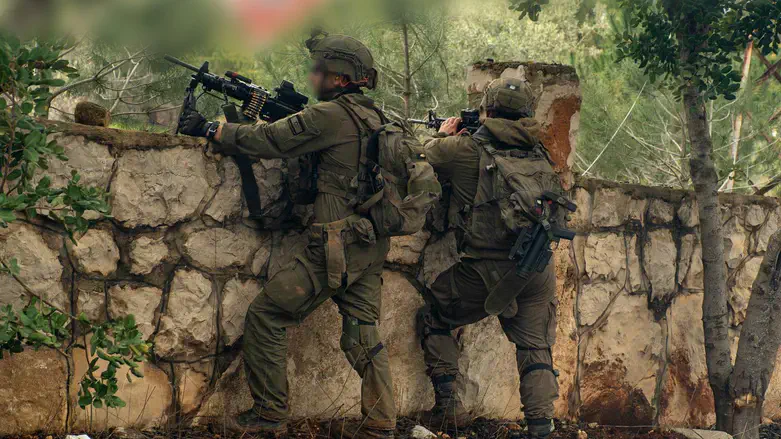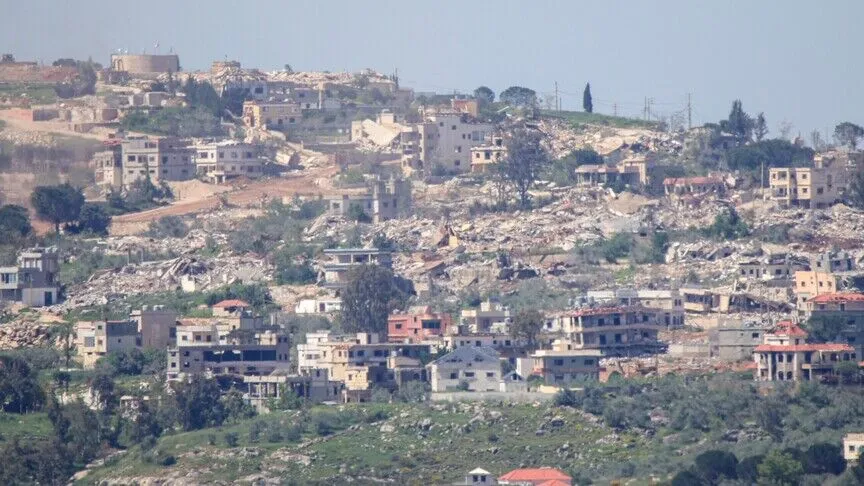
The Israeli army conducted a large-scale demolition operation in southern Lebanon on Monday, marking a significant military action in the region. This operation occurred while discussions continue regarding a framework agreement intended to address ongoing violations and de-escalate tensions in the area. The proposed agreement outlines a phased Israeli withdrawal from all occupied Lebanese territory, with initial implementation planned for two specific zones as a pilot program. This move aims to establish a structured process for disengagement and the restoration of stability along the border.
Escalation in Southern Lebanon
A powerful explosion, confirmed as an Israeli demolition operation, was heard before noon in the southern town of Kfartebnit. This event showed the active military presence and operations being conducted by Israeli forces. In the southern Marjayoun district, residents reported three consecutive explosions in Qlayaa, further noting the volatile situation. These particular explosions in Qlayaa were later attributed to a program initiated by the Lebanese army command, specifically designed to clear unexploded munitions. This key program is scheduled to run between July 15 and 20, aiming to mitigate risks from leftover ordnance. Separately, an Israeli drone dropped a stun grenade over the town of Mansouri in Tyre, located in southern Lebanon, indicating continued aerial surveillance and occasional direct engagement.
Further north, Israeli warplanes conducted mock raids along Lebanon's northern border. These provocative flights also extended over the mountainous areas of Akkar and Hermel, according to reports from local observers and authorities. Such aerial activities are frequently interpreted as displays of force and contribute to heightened anxiety among the civilian population in these regions. The repeated incursions by Israeli aircraft are a consistent point of contention, often drawing condemnation from Lebanese officials.
Framework Agreement Under Threat
Israeli forces continue military assaults and operations in Lebanon despite a framework agreement signed by Beirut and Tel Aviv last month under US mediation. The agreement aims to address ongoing violations in the region and establish a pathway to a more stable future. However, the continued military actions raise questions about the commitment to the terms of the agreement.
Israel continues its occupation of parts of southern Lebanon, with some areas held for decades and others seized more recently during the conflict between October 2023 and November 2024. The framework agreement explicitly links the completion of Israel's withdrawal to the Lebanese army assuming full security responsibility in the area. Additionally, the agreement requires the disarmament of armed groups, including Hezbollah, as a critical condition for the full implementation of the withdrawal. This stipulation is a central pillar of the agreement, aiming to prevent future conflicts and ensure state control over security. The ongoing Israeli presence and military activities complicate the implementation of these key provisions.
Broader Context and Impact
Israeli drones flew over Beirut and its suburbs, contributing to broader aerial activity in the region, including intelligence-gathering missions and reconnaissance. These flights are often perceived as violations of Lebanese sovereignty and contribute to a sense of insecurity among the population. The explosions reported in Qlayaa, while part of a Lebanese army program, initially added to the general atmosphere of tension and uncertainty. This program, designed to clear unexploded munitions, is a necessary effort to protect civilians from the remnants of past conflicts, noting the enduring dangers in the affected areas. Official Lebanese figures indicate a significant human cost from Israeli attacks in Lebanon. Since March 2, these attacks have resulted in 4,328 fatalities and 12,227 injuries across the country, showing the severe humanitarian impact of the ongoing hostilities and the urgent need for a lasting resolution.