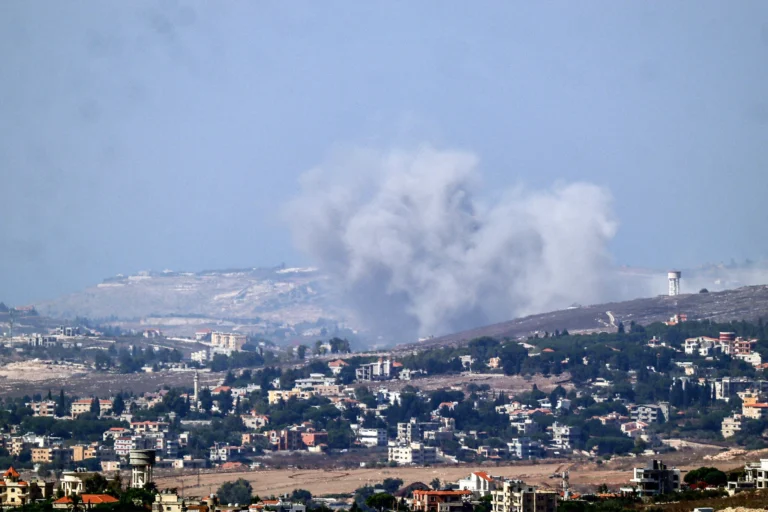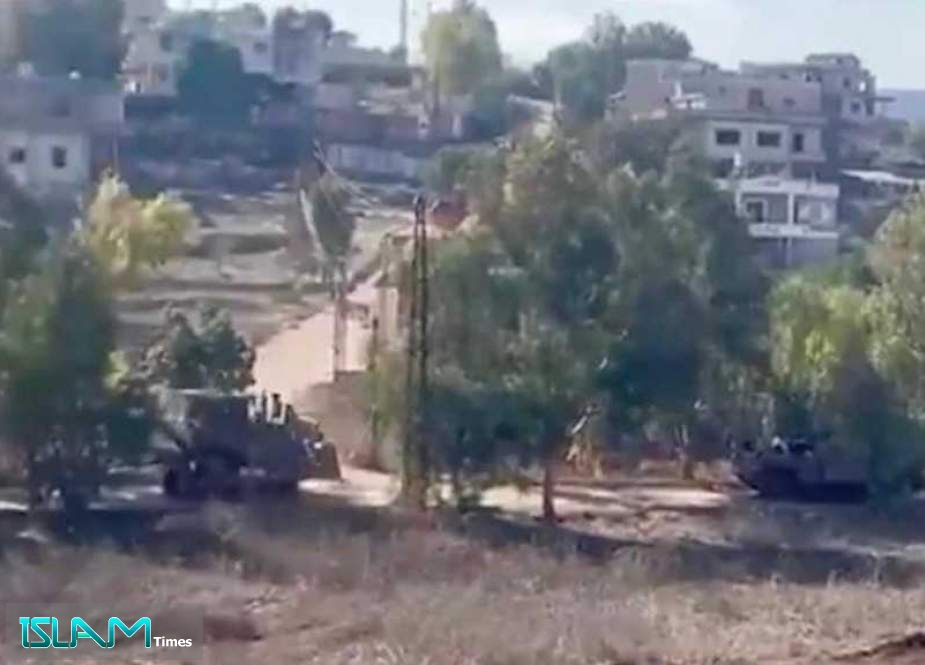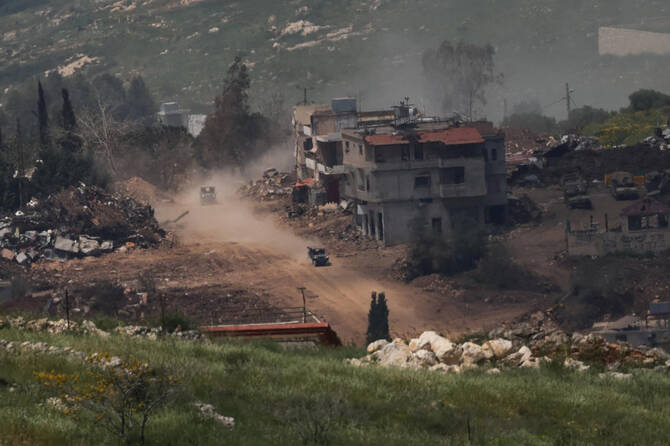
The Israeli military reported Saturday its forces damaged a convent in the Lebanese border village of Yaroun while dismantling what it described as "terrorist infrastructure." According to the military's account, a house with no religious signs was initially damaged during operations. The military further stated that damage was prevented once its link to a church was identified, indicating a change in operational approach upon this discovery. Troops were engaged in dismantling "terrorist infrastructure" within the village when the incident occurred, the military stated, emphasizing the context of their presence and activities in the area. This operation in Yaroun was part of broader efforts by Israeli forces targeting alleged militant assets in border communities.
Military's Account and Denials
A Catholic charity identified the damaged structure in Yaroun as a convent belonging to the Salvatorian Sisters, contradicting initial reports that only a house was affected. This identification brought the religious nature of the damaged property to the forefront of discussions. Meanwhile, the Israeli military asserted that Hezbollah had utilized the compound in Yaroun on multiple occasions to launch rockets towards Israel. This claim suggests the compound, despite its religious association, was allegedly integrated into militant operations, providing the military's justification for its actions. The military maintains that the presence of such activities necessitated their intervention.
Colonel Avichay Adraee, the Israeli military's Arabic-language spokesman, addressed the incident on X, providing the military's official position. He stated, "It was determined that during the forces’ operations to destroy terrorist infrastructure, one of the houses located in a religious compound was damaged." His statement acknowledged the damage occurred within a religious compound but maintained the focus on the military's objective of dismantling infrastructure, implying that the religious affiliation of the building was secondary to its alleged military use. Adraee further clarified the military's perspective on the site, stating, "There were no visible signs indicating this was a religious building" at the time of the incident, suggesting that the religious nature of the structure was not immediately apparent to the operating forces. The military’s operations in Yaroun formed a part of its wider strategy to target what it describes as "terrorist infrastructure" located within Lebanese border villages, an objective that has frequently led to engagements in populated areas and has been a consistent feature of the ongoing conflict.
Reports indicated that Israel’s military issued a new warning on Saturday, advising residents of nine southern villages to evacuate. This warning reflects heightened tensions and the potential for further military activity in the region following the cross-border fire incidents. The affected villages, located in southern Lebanon, are often caught in the crossfire of escalating hostilities between Israeli forces and Hezbollah, placing civilian populations at significant risk. The evacuation order shows the precarious security situation for civilians residing near the border, noting the constant threat of conflict in these communities. The military's actions and subsequent warnings are part of a broader pattern of engagement that has characterized the border region in recent months, indicative of an ongoing and volatile security landscape.
Broader Conflict Context
Despite a ceasefire in place since April 17, Israel and Lebanon’s militant group Hezbollah have maintained their attacks, indicating the fragility of the truce. The latest war between Israel and Hezbollah commenced on March 2, marking a significant escalation in hostilities. A 10-day ceasefire, declared in Washington, took effect on April 17 and was subsequently extended by three weeks, aiming to de-escalate the conflict. However, Israel has continued its strikes on Lebanon even with this ceasefire in effect, which, according to reports, allows Israel to act against “planned, imminent or ongoing attacks.” This clause provides Israel with operational leeway despite the declared cessation of hostilities.
Israeli soldiers are reportedly operating inside a “Yellow Line” that extends up to 10 kilometers deep within Lebanon’s border, where they are conducting demolitions. This incursions into Lebanese territory signify an active and aggressive posture by Israeli forces. On Saturday, Israeli airstrikes on southern Lebanon killed at least seven people and wounded others, demonstrating the lethal impact of these operations. An Israeli airstrike on a car in Kfar Dajal specifically killed two people, further illustrating the direct consequences of the ongoing conflict. Reports indicated that the Israeli air force carried out approximately 50 airstrikes over the preceding 24 hours, primarily targeting Hezbollah infrastructure and members, showing the intensity and frequency of Israeli military operations. In response, Hezbollah launched a drone attack against Israeli troops gathered in the coastal village of Bayed, showcasing the reciprocal nature of the conflict. The Israeli military released a video showing Hezbollah positions in southern Lebanon being destroyed, including the demolition of Bint Jbeil’s stadium after it was discovered to be booby-trapped, noting the military's efforts to neutralize perceived threats. The ongoing hostilities, despite the ceasefire, reflect a deeply entrenched conflict dynamic, where both sides continue to engage in offensive actions, often citing defensive necessities or the need to dismantle perceived threats. The strategic depth of Israeli operations, extending up to 10 kilometers into Lebanese territory, further emphasizes the extensive nature of the military engagement beyond the immediate border.
Humanitarian and Religious Impact
Israel's foreign ministry denied the site in Yaroun was destroyed, asserting it was "intact and safe." The ministry posted a photograph depicting a two-story house, contradicting claims of extensive damage and attempting to manage the narrative surrounding the incident. The structure in question, identified as a convent, included a school that had ceased operations since the 2006 Israel-Hezbollah war, indicating the long-term impact of regional conflicts on civilian institutions. At the time of the recent incident, the convent housed only two nuns, both of whom had departed the area due to the ongoing conflict, illustrating the displacement and disruption experienced by religious communities in the border region. The closure of the school and the departure of the nuns show the profound and lasting effects of sustained conflict on the civilian population and religious institutions in the border areas.
The damage to the convent occurred days after the Israeli military jailed two soldiers for 30 days. The soldiers were disciplined for desecrating a statue of Jesus Christ in the Christian village of Debl in south Lebanon, an event that drew condemnation and noted concerns about the conduct of Israeli forces in Christian areas. This incident in Debl, occurring just days before the Yaroun convent damage, brought to the forefront questions regarding the Israeli military's operational conduct in religiously significant areas within southern Lebanon. Since the broader conflict began two months ago, Lebanon has experienced significant casualties, with 2,659 people killed and 8,183 wounded across the country. These figures show the severe human cost of the sustained hostilities in the region, affecting a wide range of communities and demonstrating the widespread impact of the conflict on civilian life and infrastructure.
International Condemnation and Disputed Claims
Colonel Avichay Adraee, the Israeli military spokesman, stated that there were "no visible signs indicating this was a religious building" at the time of the incident in Yaroun, attempting to explain the military's actions. However, the Catholic Church in Lebanon rejected claims that the compound was used for military purposes, directly challenging the Israeli military's justification for its operation. This rejection came amidst reports of damage to the Salvatorian Sisters' convent in the Lebanese border village, adding to the controversy surrounding the event. The church's stance directly contradicts assertions made by Israeli authorities regarding the alleged use of the site for militant activities, creating a point of contention in the ongoing narrative. The differing accounts highlight the complexities of assessing incidents in an active conflict zone, particularly when religious sites are involved, and further complicate efforts to establish a clear and undisputed narrative of events.