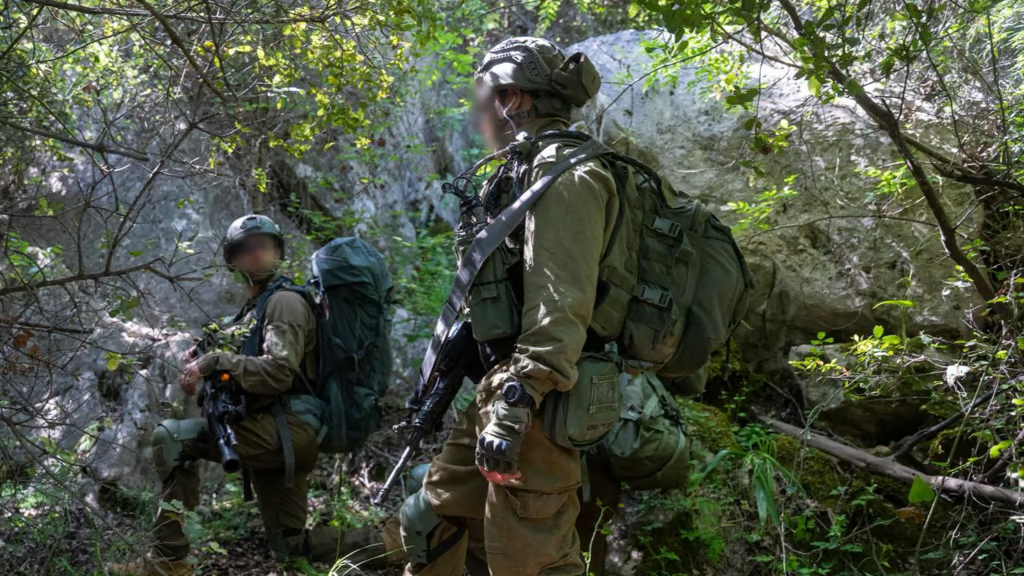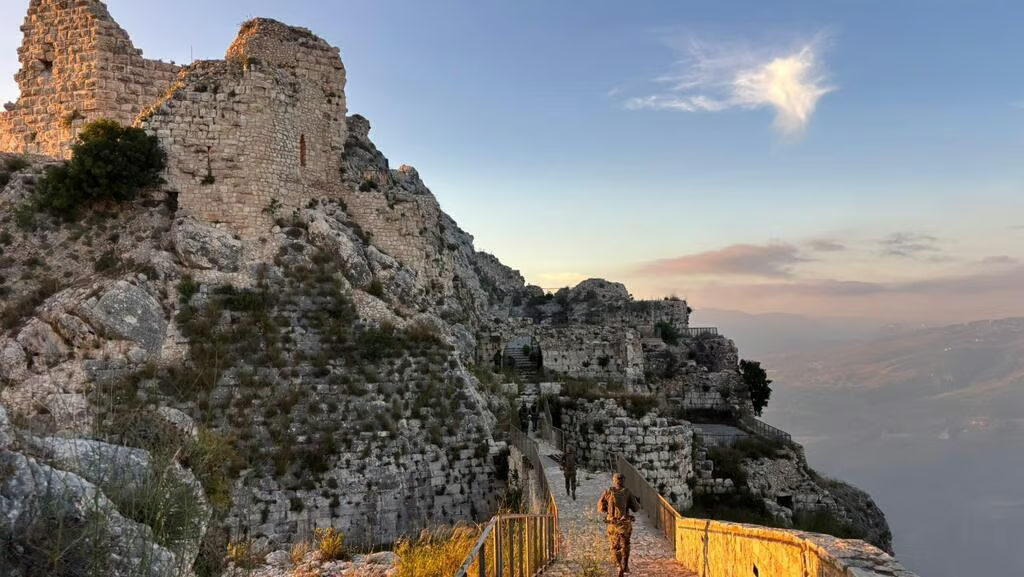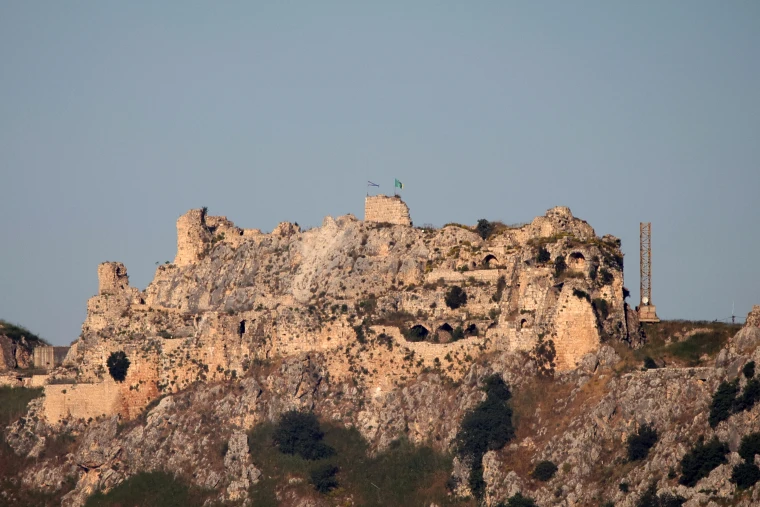
Israeli forces have captured Beaufort Ridge in southern Lebanon, marking the deepest incursion into the country in 26 years following days of intense fighting. This strategic site, known for its medieval castle, has become a focal point in the escalating conflict. Prime Minister Benjamin Netanyahu stated Sunday that the seizure represents a "dramatic change" in Israeli strategy, signaling a significant shift in the ongoing military operations in the region. "Our heroic fighters captured the Beaufort outpost," Netanyahu said, addressing the tactical success. He further elaborated on the broader objectives, adding, "My instruction is to deepen and expand our grip on the places that were under Hezbollah’s control. The occupation of Beaufort is a dramatic stage and a dramatic change in the policy that we are leading." This declaration shows Israel's intent to establish a more enduring presence in areas previously contested or controlled by Hezbollah.
Defense Minister Israel Katz affirmed the significance of the capture, noting that the Israeli flag was "once again flying over the peaks overlooking the communities of the Galilee." This symbolic act, he suggested, sends a clear message about Israel's resolve and territorial security. Katz also stated that soldiers who captured Beaufort "will remain there as part of the security zone in Lebanon," indicating a long-term commitment to maintaining control over the newly acquired territory. He emphasized that "the campaign is not yet over" and reiterated that Israel was determined to "crush" Hezbollah, noting the full nature of the military objectives. The establishment of such a security zone suggests a strategic re-evaluation of Israel's northern border defenses and its response to perceived threats from within Lebanon.
Strategic Foothold Secured
Beaufort Ridge, the location of the recent Israeli capture, is noted for its medieval castle, a historical landmark that now finds itself at the center of contemporary conflict. Defense Minister Israel Katz has indicated that the soldiers who secured Beaufort will remain there, forming part of a security zone within Lebanon. This decision echoes historical precedents, as Israel had previously captured Beaufort Ridge in 1982 and maintained control of the site until its withdrawal from southern Lebanon in 2000. The current move to re-establish a presence on the ridge suggests a renewed emphasis on its strategic importance for Israeli security. The capture itself occurred after days of intense fighting in southern Lebanon, noting the significant resistance encountered by Israeli forces during their advance. The strategic value of Beaufort Ridge lies not only in its commanding elevation but also in its historical role as a defensive position overlooking key routes and communities.
Prior to the recent capture of the site, UNESCO, the U.N. Cultural agency, had voiced significant concerns regarding Israeli military actions near Beaufort Castle. "UNESCO, the U.N. Cultural agency, had said Friday ahead of the capture of the site that it was “deeply alarmed” by Israeli strikes near Beaufort Castle, which has a provisional protected status," the organization stated. UNESCO further emphasized that such sites should receive the “highest level of legal protection against attack and use for military purposes,” showing the potential damage to cultural heritage amidst the conflict. The agency’s concerns highlight the dual nature of the site as both a military objective and a protected cultural asset, creating a complex challenge for all parties involved.
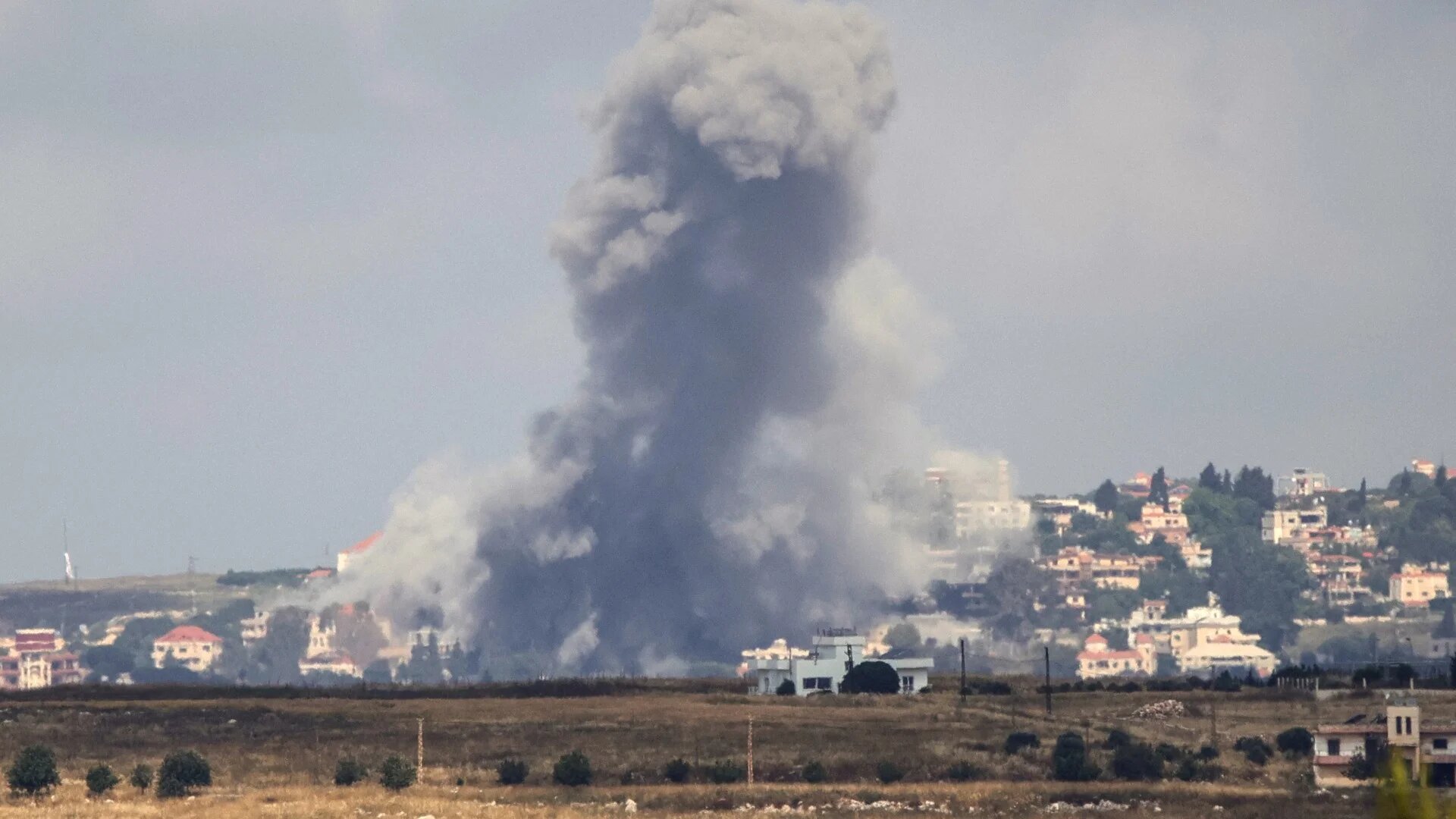
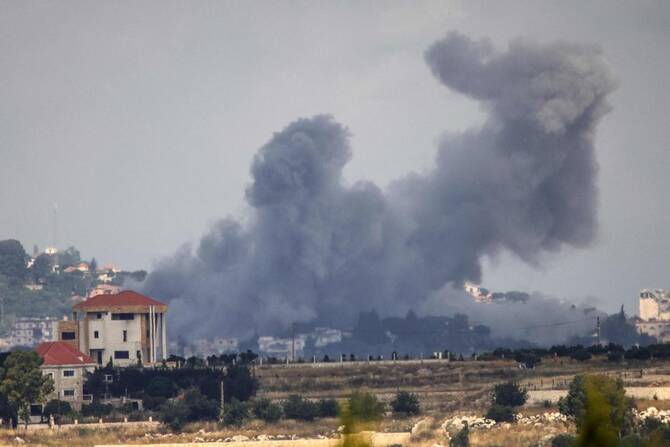
In parallel with the operations around Beaufort Ridge, Israeli forces have initiated strikes and the destruction of bridges spanning the Litani River. These actions contribute to the broader military movements in southern Lebanon, aiming to impede enemy movements and establish control over key arteries. The Litani River has, in effect, emerged as a de facto boundary within Lebanon following Israel's recent incursion, marking a new line of control and influence. The establishment of a security zone by Israeli forces, as described by Minister Katz, suggests a prolonged presence in the area following the capture of the strategic ridge. This move is consistent with previous Israeli military doctrines aimed at creating buffer zones along its northern border. The historical precedent of Israel holding Beaufort Ridge for nearly two decades after its 1982 capture shows the site's significance in past conflicts and the potential for a long-term engagement. The current military activities, including the destruction of infrastructure, indicate a multifaceted approach to the ongoing operations in the region, combining territorial control with efforts to isolate and weaken opposing forces.
Shifting Strategy and Vows
Israeli and Lebanese officials convened in Washington on Friday for discussions, a meeting that took place amidst heightened tensions and military operations. This meeting occurred as a month-old nominal ceasefire agreement between Israel and Hezbollah had reportedly been breached by both parties, indicating a breakdown in previous diplomatic efforts. The violations of the ceasefire show the fragility of any peace arrangements in the region and the challenges in de-escalating the conflict.
Simultaneously, the Litani River has emerged as a de facto boundary within Lebanon following Israel's recent incursion, fundamentally altering the geopolitical landscape of the southern part of the country. In Israel, political figures have voiced strong opinions regarding the ongoing operations, reflecting a hawkish stance within the government. Israel's far-right Finance Minister Bezalel Smotrich called for a permanent occupation of Beaufort Ridge, stating it would involve "correcting old national sins." His remarks suggest a desire to rectify historical grievances and secure what he perceives as essential Israeli interests in the area. Separately, Israel's National Security Minister Itamar Ben Gvir pressed Prime Minister Benjamin Netanyahu to "flatten" parts of Beirut on Saturday, advocating for a more aggressive and destructive approach to the conflict. These statements from prominent Israeli officials highlight the diverse and often extreme viewpoints within the Israeli government regarding the prosecution of the war and the desired outcomes.
Amidst these developments, American and Iranian negotiators had reached an agreement on the terms of a truce deal days prior but have delayed its finalization, according to a senior Arab official. The official described the situation as "frustrating," adding, "It was already closed in Doha three days ago; now everyone is playing a game of chicken and egg." This delay points to significant obstacles in implementing a ceasefire, possibly due to last-minute demands, internal disagreements, or a desire by one or both sides to gain a stronger negotiating position through continued military action. The complexity of these diplomatic efforts, often conducted in parallel with military engagements, illustrates the multi-layered nature of the conflict and the numerous actors involved in seeking a resolution, or at least a pause in hostilities.
Lebanon's Response and Toll
Lebanon’s Health Ministry reported that Israeli strikes on the country have resulted in the deaths of more than 3,350 people. This grim statistic shows the severe humanitarian impact of the ongoing military campaign on the civilian population. The widespread destruction and loss of life have created a dire situation across various parts of Lebanon. The ongoing military actions and evacuation orders have also displaced over 1.2 million Lebanese citizens since March 2, leading to a significant internal humanitarian crisis. These displaced individuals face immense challenges, including lack of shelter, food, and medical care, placing immense strain on Lebanon's already struggling infrastructure and resources. The scale of displacement notes the widespread fear and insecurity gripping the Lebanese population as a direct consequence of the conflict.
Lebanon's Prime Minister Nawaf Salam condemned Israel’s actions, stating on Friday that "nothing can justify" the attacks. His strong condemnation reflects the deep anger and frustration within the Lebanese government and among its citizens regarding the Israeli military operations. Salam articulated his view that the continued strikes, threats, and evacuation orders imposed on the Lebanese population "amount to collective punishment, condemned by all international norms and laws." This accusation of collective punishment is a serious charge under international humanitarian law, suggesting that Israel's actions are targeting the civilian population as a whole rather than solely military objectives. The Lebanese government's stance emphasizes the disproportionate impact of the conflict on its citizens and calls for international attention and intervention to halt what it perceives as egregious violations of human rights and international law.
Broader Implications and Stalemate
Israel stated 25 of its soldiers and two civilians have been killed in or near southern Lebanon during the same period, indicating the human cost of the conflict on the Israeli side. Additionally, two civilians have also died in northern Israel, noting the cross-border nature of the hostilities and the impact on Israeli communities near the Lebanese border. These casualties show the dangerous and volatile nature of the conflict, affecting both military personnel and civilians on both sides. The exchange of fire and the resulting deaths illustrate the cycle of violence that has characterized the recent escalation.
Defense Secretary Pete Hegseth said Saturday that President Trump was "patient" and wanted to make a "great deal" to ensure Iran does not acquire a nuclear weapon. This statement from a senior U.S. Official provides insight into the broader geopolitical context surrounding the conflict, particularly the role of Iran and its nuclear program. The U.S. Administration's focus on a "great deal" with Iran suggests a continued diplomatic effort to manage regional tensions, even as military conflicts unfold. The connection between the Israeli-Lebanese conflict and the larger U.S.-Iran dynamic notes the intricate web of alliances and rivalries that shape the Middle East. The U.S. Position also indicates a desire to prevent further nuclear proliferation in the region, which could have broad implications for global security. The ongoing diplomatic efforts, juxtaposed with the military escalation, paint a picture of a region grappling with both immediate crises and long-term strategic challenges.