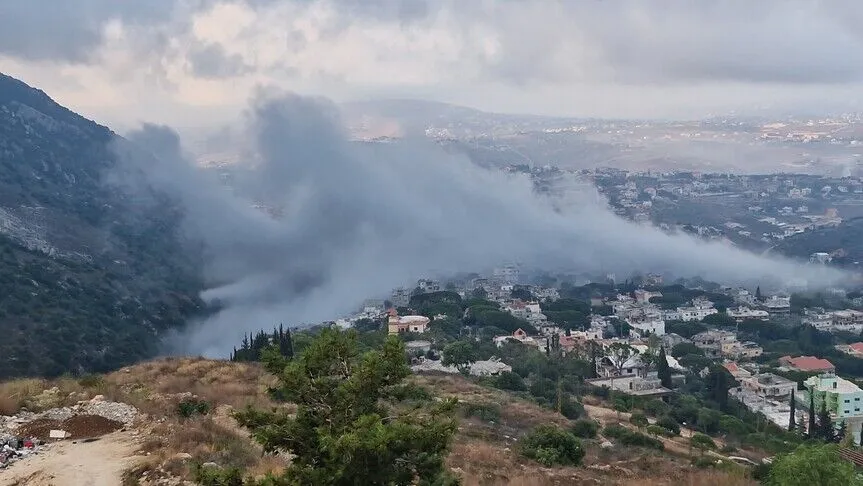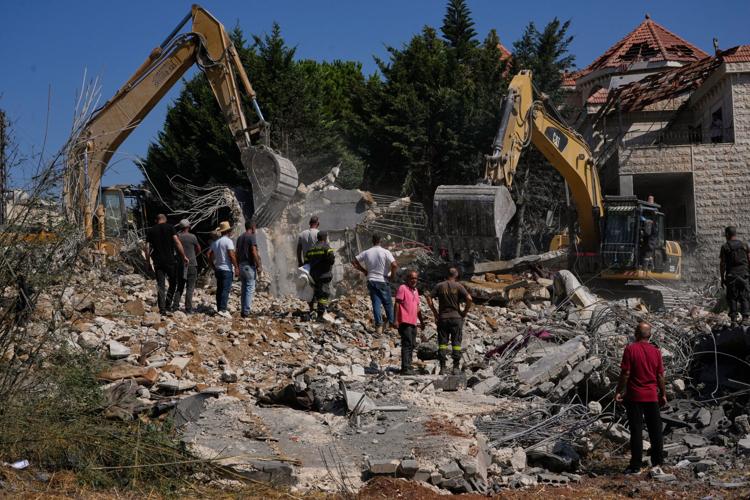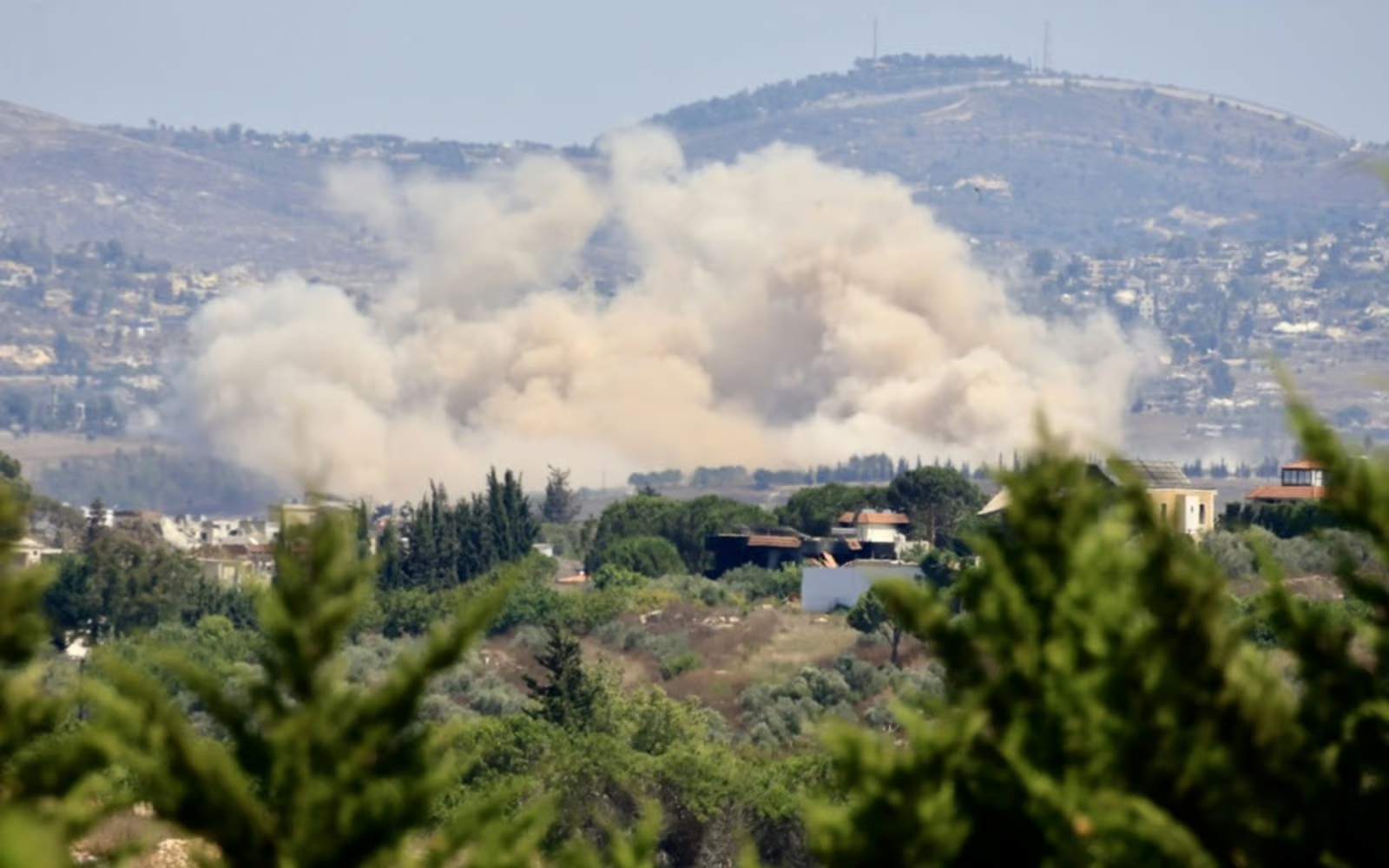
Israeli airstrikes in south Lebanon on Monday killed 12 people, according to reports from the Lebanese health ministry. The Lebanese health ministry reported that the casualties included women and children, noting the devastating impact on the civilian population. Eleven individuals, including two children and four women, died in one attack on a building in Kfar Rumman. The Lebanese health ministry stated, "Eleven people, including two children and four women, died in one attack on a building in Kfar Rumman that killed 11 people." This incident showed the severe human cost of the ongoing conflict in the region.
A separate incident in Kfar Rumman resulted in the death of an 18-year-old rescuer, with another rescuer wounded. This tragic loss of a young life further amplified the gravity of the situation. The Lebanese health ministry confirmed this, adding, "A separate attack in the same town killed a rescuer and wounded another." These strikes occurred in south Lebanon, a region that has seen escalating tensions and has been a focal point of military operations. The intensity of these attacks has raised significant concerns among local residents and international observers alike.
Escalating Violence and Civilian Toll
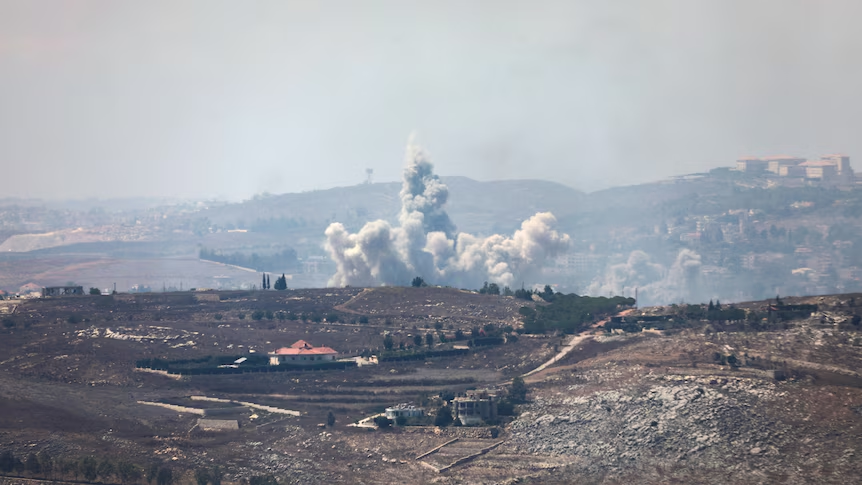
The strikes on Monday followed separate raids a day earlier that left 11 people dead, indicating a significant escalation in military activity. On Sunday, Israeli strikes killed seven people in total across south Lebanon, contributing to the rising death toll. These incidents occurred after attacks on Friday had killed four people, demonstrating a consistent pattern of violence throughout the week. The cumulative effect of these strikes has been a severe humanitarian crisis for the communities in southern Lebanon.
An AFP photographer observed that the building hit in Kfar Rumman was completely destroyed, with school books and furniture remnants strewn across the rubble. This vivid detail paints a stark picture of the destruction and the disruption to daily life, particularly for families and children. The presence of school books among the debris serves as a poignant reminder of the civilian nature of the targets and the innocent lives affected. Israel issued no warning to Kfar Rumman before the strikes occurred, a detail that has drawn criticism and raised questions about the protection of civilians. However, it did release an evacuation order ahead of a separate attack in nearby Deir Zahrani, suggesting a selective approach to issuing warnings. This inconsistency has added to the confusion and fear among residents in the affected areas.
Lebanon’s state-run National News Agency had previously reported two wounded rescuers in an incident separate from the Monday strikes, further illustrating the dangers faced by emergency personnel. Israeli airstrikes and a ground invasion of Lebanon have killed more than 4,300 people since March, according to figures released by Beirut. This grim statistic shows the widespread and prolonged nature of the conflict, which has taken a heavy toll on the Lebanese population. The ongoing violence has led to significant displacement and humanitarian challenges across the southern parts of the country.
Israel's Justification and Claims
The Israeli military stated it struck Hezbollah “infrastructure sites” across southern Lebanon after the launch of two explosive drones towards its troops. This justification frames the Israeli actions as defensive measures against perceived threats. The military also claimed to have targeted “several terrorists” transferring weapons, asserting that their operations are aimed at dismantling militant capabilities. The Israeli army further stated its actions were a response to Hezbollah’s launch of two drones towards its soldiers inside Lebanon, providing a direct causal link for its retaliatory strikes. This narrative emphasizes the tit-for-tat nature of the conflict, where each side responds to the other's actions.
An Arabic-language message from the Israeli military announced it was targeting a "Hezbollah terrorist facility," indicating a deliberate effort to communicate its objectives to the local population and potentially to regional audiences. On Monday, Israel’s foreign ministry accused Hezbollah of "repeated drone attacks" and "attempting to rebuild its military capabilities in southern Lebanon." These accusations highlight Israel's perception of an ongoing and persistent threat from Hezbollah. The ministry stated the Israeli military "will continue to operate to remove threats while remaining committed to the ceasefire agreement," a statement that has been met with skepticism given the intensity of the recent strikes. This declaration attempts to reconcile continued military action with adherence to international agreements. On Thursday, Israel claimed to have seized the strategic Ali al-Taher ridge from Hezbollah, marking a significant territorial gain in its operations. Israeli forces are operating inside a self-declared “security zone” around 10km deep inside Lebanon along the border, a move that has effectively pushed Israeli military presence well into Lebanese territory. This unilateral establishment of a security zone further complicates the geopolitical landscape and raises questions about sovereignty and international law.
Context of the Conflict
Hezbollah has not claimed responsibility for any attack since June 20, a point that introduces a layer of ambiguity regarding the immediate triggers for some of the recent Israeli actions. Fighting in Lebanon initially erupted in March after Hezbollah targeted Israel in support of Iran, establishing the broader geopolitical context of the conflict. This initial phase saw intense exchanges and a significant escalation of hostilities. The intensity of clashes decreased following a memorandum of understanding between Washington and Tehran in June, which aimed to de-escalate regional tensions. A subsequent Israel-Lebanon framework agreement later that month further contributed to a period of relative calm, raising hopes for a more lasting peace.
Despite the reduction in fighting, Israel’s foreign ministry maintains that Hezbollah has violated the ceasefire agreement. The ministry stated Hezbollah "had violated the ceasefire agreement between Lebanon and Israel that includes disarmament of the group." This claim shows ongoing tensions regarding the group's military capabilities and actions in southern Lebanon, suggesting that Israel views Hezbollah's continued armed presence as a breach of agreed terms. The ceasefire agreement, intended to de-escalate the conflict, includes provisions for Hezbollah's disarmament, a point of contention between the parties. This disarmament clause is central to Israel's concerns and forms a basis for its continued military actions, even in periods of supposed truce. The Israeli government consistently points to this alleged violation as justification for its operations, arguing that Hezbollah's retention of weapons and its activities in southern Lebanon pose an unacceptable security risk. The framework agreement, while initially promising, appears to be under strain due to these differing interpretations and ongoing military engagements.
International Appeals and Reactions
The recent casualties from Israeli airstrikes in south Lebanon included women and children, according to reports, intensifying international scrutiny and concern. Israel has been intensifying its strikes in the southern Nabatieh area, a region that has seen significant military activity and is densely populated. This intensification of strikes in civilian-heavy areas raises serious humanitarian concerns. Many villagers had returned to their homes in these areas following a truce in June, after having been displaced by the earlier conflict. Their return, driven by a desire for normalcy and a belief in a de-escalation of hostilities, has now been tragically undermined by the renewed violence. This displacement and subsequent re-displacement highlight the precarious situation of civilians caught in the conflict.
On Sunday, Lebanese President Joseph Aoun urged Washington and the international community to intervene and help stop the ongoing Israeli attacks. His appeal noted concerns over the escalation of hostilities and the devastating impact on civilians in the region, emphasizing the urgent need for diplomatic action. President Aoun's call reflects the Lebanese government's alarm at the deteriorating security situation and its inability to unilaterally halt the Israeli operations. The call from President Aoun shows the international dimension of the conflict and the efforts by Lebanese authorities to seek diplomatic solutions amid continued military actions. The international community's response to these appeals will be key in determining the future trajectory of the conflict and the potential for a more stable resolution in southern Lebanon. The ongoing violence, despite previous agreements, indicates a fragile peace that requires sustained diplomatic engagement to prevent further loss of life and regional destabilization.