The deployment of an international force in southern Lebanon appears to be a distant objective, according to a European official familiar with the matter. The official stated to i24NEWS on Monday that "The deployment of an international force in southern Lebanon seems a distant goal." This assessment shows the significant challenges that lie ahead for any such initiative. Discussions about deploying soldiers on the ground can only seriously proceed once the necessary mechanisms for such a force are clearly defined, the official added, emphasizing the foundational work required before any physical deployment can be contemplated.
Key Obstacles to Deployment
Establishing a clear mechanism and protocol to monitor a potential ceasefire and manage troop movements represents the main challenge, according to a European official speaking to i24NEWS. This intricate process requires careful consideration to ensure effectiveness and prevent misunderstandings. The official indicated that defining the composition of any international forces remains a key area of focus. This includes identifying which nations would contribute troops and the specific types of units that would form part of the force. Clarity on the specific nations and types of units contributing to such a force is being sought before the mandate, authority, and operational framework for its deployment on the ground can be clearly defined. Only after these mechanisms are defined will it be possible to seriously discuss deploying soldiers on the ground, making these preliminary steps critical. These steps are considered prerequisites for any serious discussions about deploying soldiers in southern Lebanon. Until these foundational elements are established, the prospect of an international force in the region remains a distant objective.
European Hesitation and Context
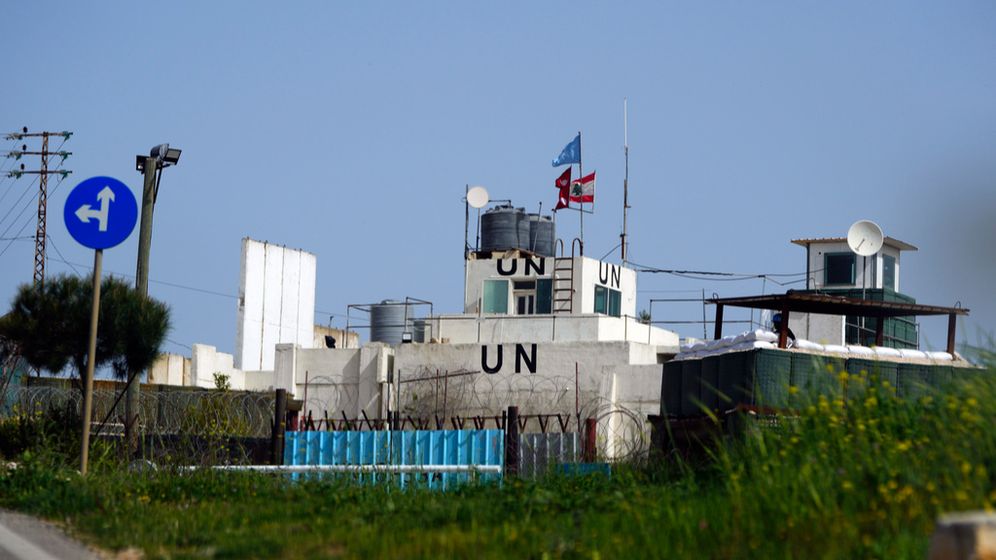
Europe is reluctant to deploy troops to southern Lebanon, particularly given the anticipated withdrawal of United Nations Interim Force in Lebanon (UNIFIL) peacekeepers at the conclusion of the year. This reluctance stems from a desire to avoid past missteps and ensure any future deployment is strong and effective. The parties involved in discussions are determined to avoid repeating what they perceive as a mistake made in Gaza. This determination notes a cautious approach, aiming to learn from previous experiences in conflict zones and apply those lessons to the current situation in southern Lebanon. The potential for an international force is being weighed against the complexities of the regional dynamic and the imperative to establish a clear and sustainable framework for peace and security.
Ongoing Efforts and Outlook
Despite recent escalation in southern Lebanon, the European official maintains a relatively optimistic outlook regarding the situation. This optimism, however, is tempered by the recognition of the significant hurdles that must still be overcome. Europe remains actively engaged in these efforts, hoping to contribute effectively to the implementation of a potential agreement. The official emphasized the ongoing commitment to finding a resolution, indicating that diplomatic channels remain open and productive, even amidst the challenges. The European commitment extends to ensuring that any agreement reached is viable and contributes to long-term stability in the region. As of now, a specific date for the next round of discussions in Rome has not been scheduled, indicating that while progress is desired, the complex nature of the negotiations requires thorough preparation. These talks are key for advancing any potential international force deployment or agreement in the region, and their scheduling will be a key indicator of forward momentum.