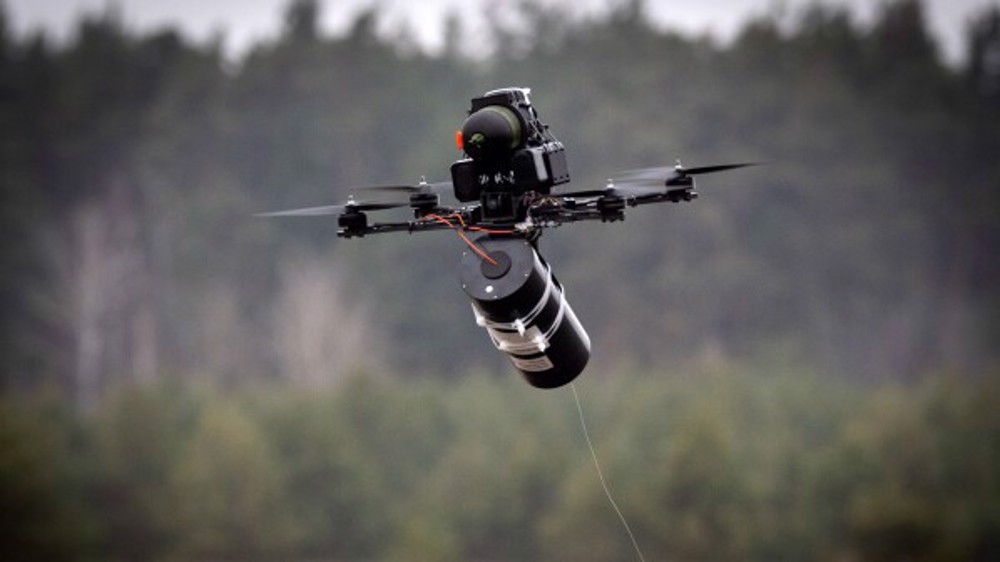
Hezbollah's increasingly advanced drone operations have reportedly paralyzed up to 80 percent of Israeli military offensives in southern Lebanon. These sophisticated drone activities have also contributed to mounting casualties among occupation forces operating within the area. The effectiveness of these unmanned aerial vehicles (UAVs) has led to significant disruptions in Israeli military planning and execution in the region. According to reports, Hezbollah’s increasingly advanced drone operations have paralyzed up to 80 percent of the Israeli military’s planned assaults in southern Lebanon, demonstrating a substantial impact on ground operations.
Operational Impact and Israeli Response
The Israeli military has postponed numerous troop movements and offensive operations in southern Lebanon, often shifting them to nighttime hours or canceling them entirely. This measure is reportedly taken to avoid detection by Hezbollah drones during daylight. The Israeli military has been forced to postpone many of its troop movements and offensive operations until nighttime, or cancel them altogether, to avoid detection by Hezbollah drones during daylight hours. This adaptation shows the challenges posed by Hezbollah's aerial surveillance and attack capabilities.
The military is also experiencing shortages of anti-drone equipment, according to reports. This deficiency further complicates efforts to counter the persistent drone threat. The Israeli regime’s counter-drone systems are currently distributed to only a limited number of forces within each military company, leaving many units vulnerable to drone attacks. Counter-drone systems are currently distributed to only a limited number of forces within each military company, further complicating efforts to mitigate drone threats. This scarcity of defensive measures notes a critical vulnerability in the Israeli military’s operational capabilities in the contested region.
Hezbollah's Advanced Drone Technology
Hezbollah has been deploying hard-to-detect fibre-optic drones that are reportedly capable of bypassing conventional jamming and electronic warfare systems. These drones utilize ultra-thin optical fibre cables instead of radio signals, enabling them to evade interception and maintain secure communication with their operators. These low-cost drones reportedly use ultra-thin optical fibre cables instead of radio signals, allowing them to evade interception and maintain secure communication with their operators. The design also contributes to their low cost of production, making them an economically viable and effective weapon for Hezbollah.
The drones possess an almost undetectable radar signature due to their minimal metal components. Their reliance on optical fibre cables rather than wireless transmissions further reduces their detectability, making them difficult to track by conventional radar systems. The drones have almost no radar signature because they contain minimal metal components and rely on optical fibre cables rather than wireless transmissions. The fibre-optic technology allows for a stealthier operation profile compared to traditional radio-controlled drones, granting them a significant advantage in reconnaissance and attack missions. This technological edge enables them to penetrate Israeli airspace with greater impunity.
Escalating Conflict and Concerns
Israel's Kan News agency reported on Wednesday that the military estimates Hezbollah's explosive drones are severely limiting operational freedom inside the occupied areas of southern Lebanon. The agency noted the impact of these unmanned aerial vehicles on Israeli ground operations. Israel’s Kan News agency reported on Wednesday that the regime’s military estimates Hezbollah’s explosive drones are severely limiting operational freedom inside the occupied areas of southern Lebanon. Since April, Hezbollah has launched approximately 230 projectiles and more than 100 explosive drones against Israeli forces. Hezbollah has launched around 230 projectiles and more than 100 explosive drones at the regime’s forces since April. These attacks contribute to the ongoing escalation in the region, intensifying cross-border hostilities.
The group maintains a significant operational footprint, with approximately 100 drone operators deployed across southern Lebanon. Hezbollah has approximately 100 drone operators deployed across southern Lebanon. These operators are responsible for piloting the various drone systems used in recent engagements, ensuring a continuous and effective drone presence. The continued deployment of these assets shows the persistent threat posed by Hezbollah's drone capabilities to Israeli forces operating along the border, signaling a new phase in the conflict's aerial dimension.