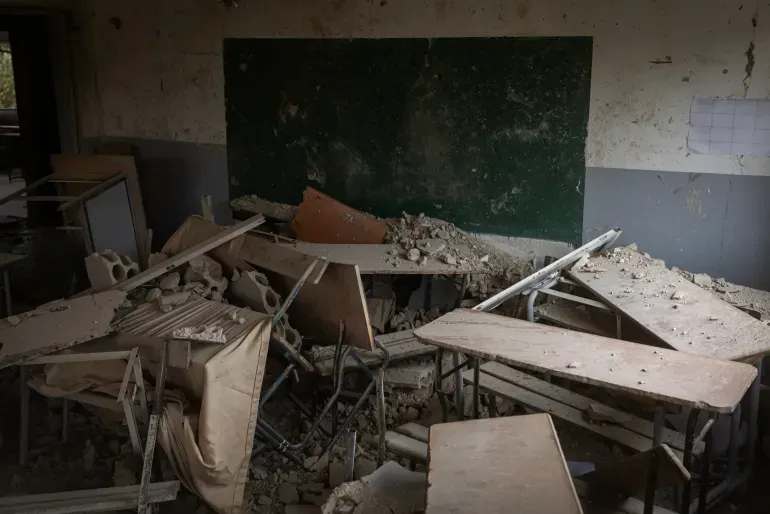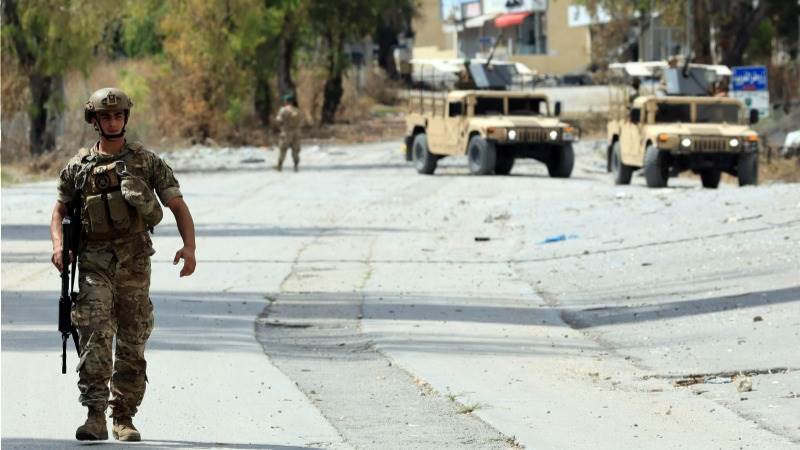
An explosion was reported in the southern Lebanese town of Kounine on July 3, 2026, at approximately 22:36 BST. Lebanon’s National News Agency (NNA) confirmed the incident, stating that an explosion occurred in the area. Further details regarding the cause or any casualties were not immediately available following the initial report. The incident has drawn renewed attention to the volatile security situation in southern Lebanon, particularly within the designated "security zone." This area has frequently been a point of contention and military activity, even amidst formal agreements to cease hostilities.
Incident Details Emerge
An explosion took place on July 3, 2026, at approximately 22:36 BST in Kounine, a town located in southern Lebanon. Lebanon’s National News Agency (NNA) confirmed the incident, reporting that an explosion had occurred in the area. Initial reports did not immediately provide details regarding the exact cause of the blast or any potential casualties resulting from the event. The precise nature of the explosion, whether it was accidental or deliberate, remains undetermined as investigations are anticipated. Kounine is situated within a security zone in southern Lebanon, a region often characterized by heightened tensions and military presence. Local authorities have not yet released further information concerning the nature of the explosion or its precise location within the town, leaving many questions unanswered about the circumstances. Investigations are expected to commence to determine the full circumstances surrounding the event, including its origin and any potential implications. No immediate claims of responsibility were reported following the NNA's statement, contributing to the uncertainty surrounding the incident. The lack of immediate information shows the challenges in reporting on security incidents in such a sensitive area.
Allegations of Ceasefire Breach
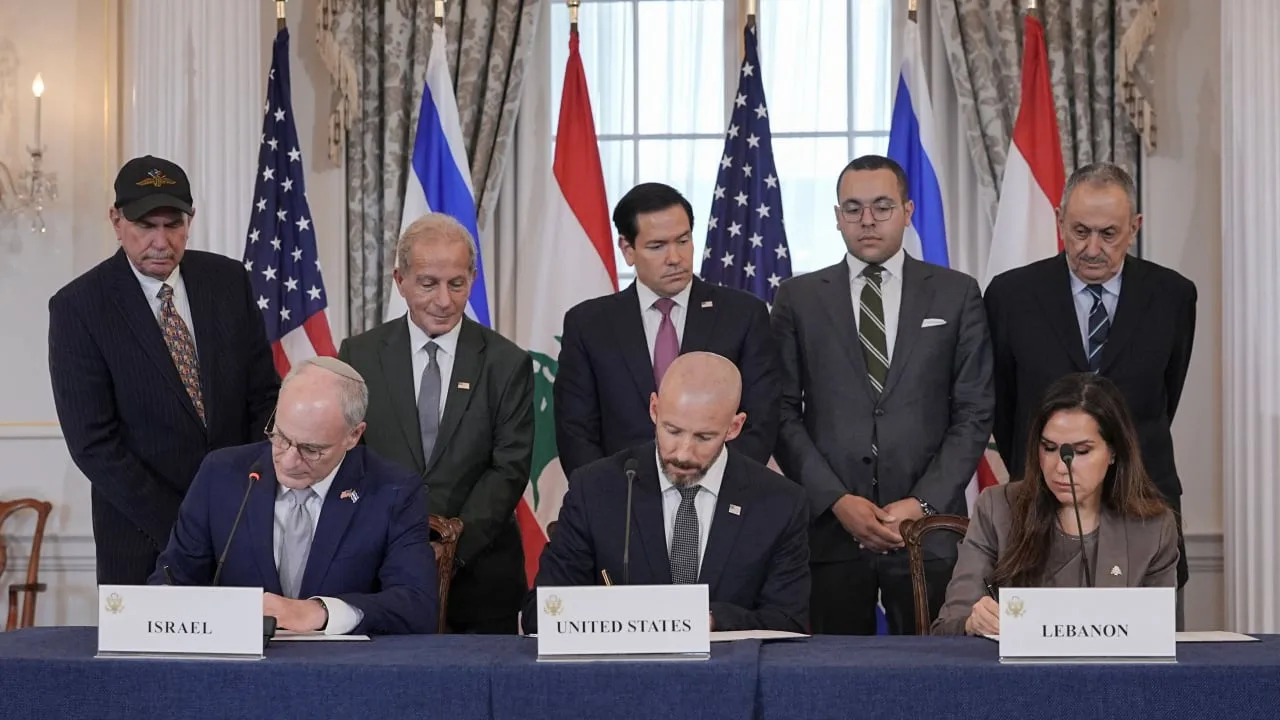
Allegations have emerged that Israel has been targeting sites and carrying out demolitions in the so-called “security zone,” despite a standing ceasefire agreement. The “security zone” refers to an area in southern Lebanon, an unofficial but widely recognized strip of land along the border. These alleged actions by Israel are reported to have occurred even after a formal ceasefire was put in place between the involved parties. The specific nature of the targeted sites and the extent of the demolitions were not detailed in the allegations, leaving room for speculation about the scope and impact of these reported activities. There has been no immediate comment from Israeli officials regarding these claims, which further complicates the assessment of the situation. The existence of a ceasefire agreement implies a cessation of hostilities between the parties involved, making any alleged military actions within the designated zone a potential violation of the established accord. The "security zone" has historically been a flashpoint in regional conflicts, witnessing numerous skirmishes and military operations over the years. The current allegations suggest ongoing tensions in the area, notwithstanding the formal agreement to cease hostilities, indicating a fragile peace. Further details on the specific incidents or the dates of these alleged targeting and demolition activities were not provided, making it difficult to ascertain the full timeline of events. These allegations contribute to the perception of instability in the border region.
Regional Tensions and Security Zone
The recent explosion in Kounine, a town located in southern Lebanon, has drawn significant attention to the region's long-standing security concerns. Kounine is situated within a defined "security zone," an area that has historically been a focal point for military activities and regional tensions. This zone, an unofficial designation for a strip of territory in southern Lebanon, has been the subject of frequent allegations regarding violations of ceasefire agreements, noting its persistent volatility. The presence of such a zone shows the complex geopolitical dynamics at play in the area, where various actors maintain a presence and interests. The incident in Kounine occurred amidst existing claims of continued targeting and demolitions within this security zone, despite formal agreements to cease hostilities. This confluence of events only serves to emphasize the precarious nature of peace in the region. The ongoing situation notes the persistent fragility of peace in this particular border region, where incidents can quickly escalate tensions and undermine efforts towards stability. The absence of full details surrounding the Kounine explosion, coupled with the unconfirmed allegations of ceasefire breaches, paints a picture of an unpredictable and sensitive security landscape in southern Lebanon.