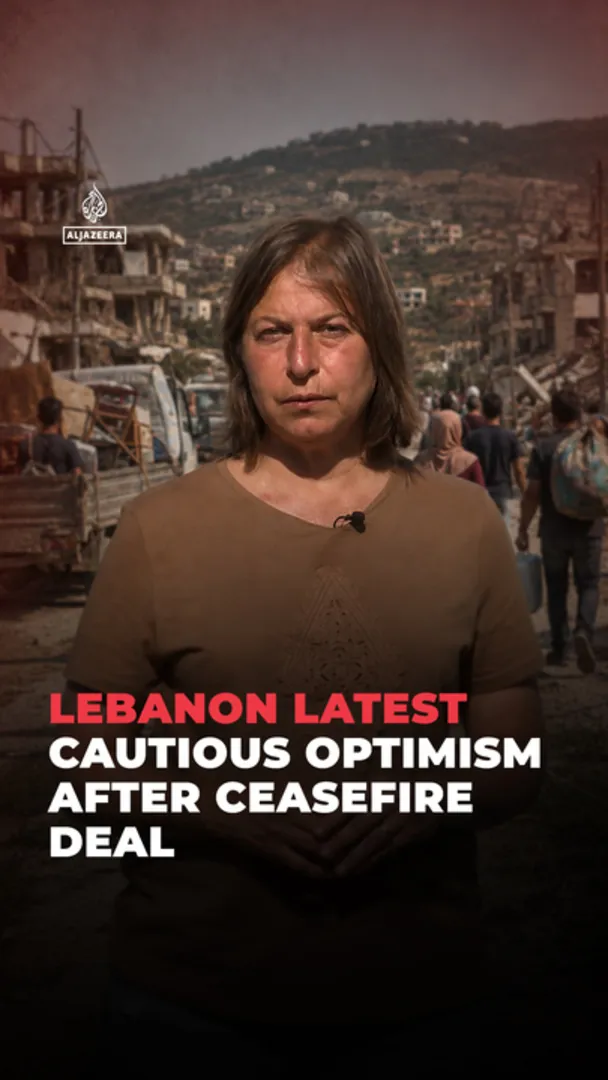
People are beginning to return to their homes in southern Lebanon following a fragile ceasefire, Al Jazeera correspondent Zeina Khodr reported on June 15, 2026. The return comes as residents assess the conditions of their properties and communities after a period of displacement. Khodr noted a sense of cautious optimism among those venturing back, although security concerns persist in the region. The ceasefire's stability is key for the continued return of residents and the potential resumption of daily life in southern Lebanon. Al Jazeera’s Zeina Khodr is actively covering the evolving situation, bringing the latest updates from southern Lebanon as people navigate this delicate phase of returning home under the fragile ceasefire. The reports highlight the tentative steps being taken by families to reclaim their lives and livelihoods.
Return Amidst Fragile Peace
Residents of southern Lebanon are gradually making their way back to their homes, with Al Jazeera correspondent Zeina Khodr reporting on the situation. The return follows a period of displacement for many families affected by recent hostilities. Khodr observed a sentiment of cautious optimism among those venturing back, even as underlying security concerns remain pertinent across the region. The sustained adherence to the ceasefire agreement is viewed as a critical factor for enabling the ongoing return of residents and the potential re-establishment of everyday life in southern Lebanon. Many are assessing the condition of their properties and communities upon arrival, evaluating the extent of damage and the feasibility of immediate reoccupation. The stability of the current calm is essential for reinforcing this fragile peace and allowing communities to begin the long process of recovery. This period of return is marked by a delicate balance between hope for peace and the lingering apprehension of renewed conflict.
Context of Conflict
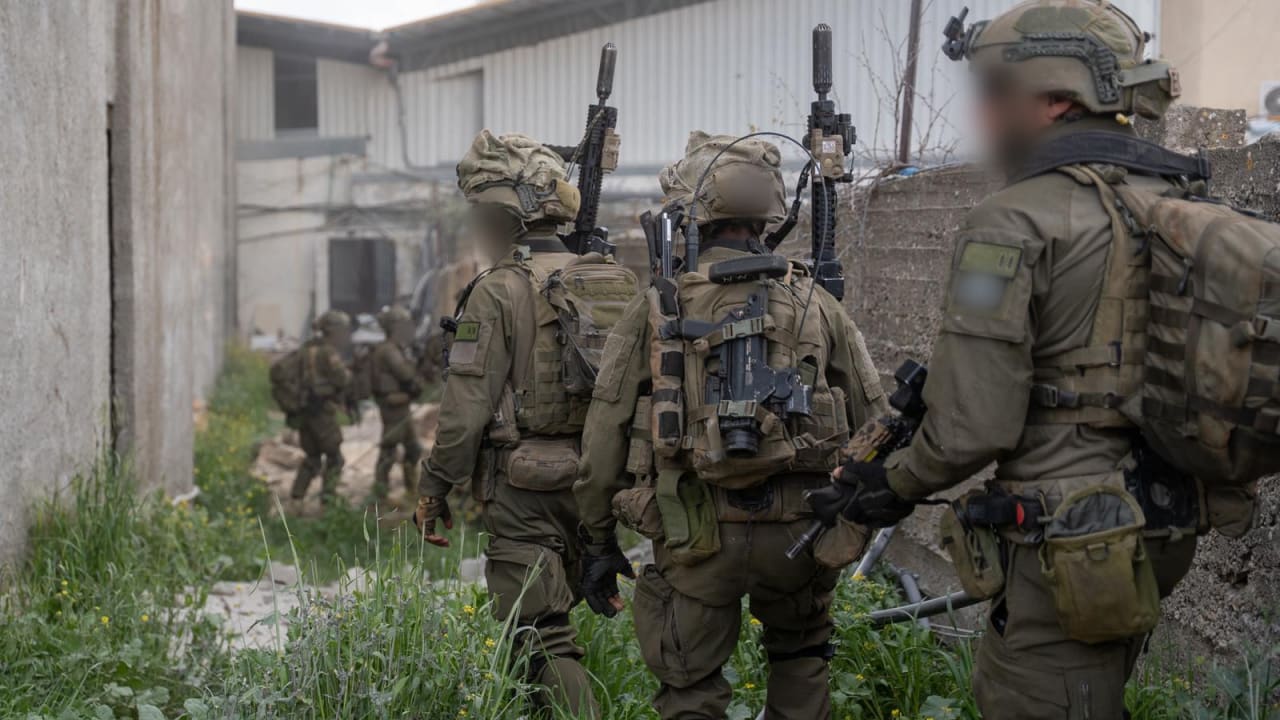
Israel initiated attacks on Lebanon, contributing to the hostilities that led to the displacement of residents in southern Lebanon. These actions created the backdrop against which the current ceasefire and the subsequent return of displaced populations are unfolding. The attacks resulted in a period of intense conflict, necessitating the evacuation of many communities in the border regions. The cessation of these hostilities is the primary reason for the renewed, albeit cautious, movement of people back to their homes. The severity of the conflict had forced numerous families to abandon their residences, seeking safety away from the frontline areas. The ongoing stability of the ceasefire is directly linked to the broader context of these past confrontations and the desire for a lasting peace in the affected areas. Understanding the impact of these attacks is key to appreciating the current challenges faced by returning residents.
Hope for Stability
The ceasefire deal has brought a measure of calm to southern Lebanon, fostering hope for a more stable future in communities impacted by recent conflicts. The agreement, which halted hostilities, is seen by residents and observers as a critical step toward rebuilding and normalizing daily life. Its continued observance is critical for the return of displaced populations and the restoration of essential services. Many residents are cautiously optimistic that the current cessation of fighting will endure, allowing them to assess damages, begin repairs, and resume their livelihoods without immediate fear of renewed violence. The stability offered by the ceasefire is providing a window for humanitarian assessments and potential reconstruction efforts, which are vital for long-term recovery. Ensuring the deal holds is key to consolidating this nascent period of peace and preventing further displacement, thereby allowing communities to truly embark on the path of healing and rebuilding. The commitment to maintaining the ceasefire is seen as the cornerstone for any meaningful progress in the region.