Volker Turk, the UN rights chief, announced on Monday his decision to dispatch a mission to Lebanon. The mission's objective is to gather evidence concerning human rights abuses that have occurred in the country since March 2. This initiative comes amid escalating concerns regarding the human rights situation in Lebanon, with the UN rights chief emphasizing the critical need for de-escalation and protection of civilians in the volatile region.
Mission Mandate and Scope
The mission will gather information and evidence regarding alleged violations and abuses of international human rights law, and violations of international humanitarian law. These actions were reportedly committed by parties to the armed conflict in Lebanon since March 2, according to the UN rights chief's office. The scope includes related laws pertaining to the conflict. The full mandate aims to ensure a thorough investigation into all reported transgressions.
Separately, rockets were reportedly launched to avenge the February 28 killing of Iran's supreme leader in US-Israeli attacks. These rocket launches also occurred in response to Israel's continued attacks despite a November 2025 ceasefire. Those attacks resulted in the deaths of approximately 400 people. The context of these retaliatory actions notes the complex and deeply entrenched nature of the conflict. The mission's findings are expected to shed light on the full scope of human rights implications stemming from these events.
Context of Conflict
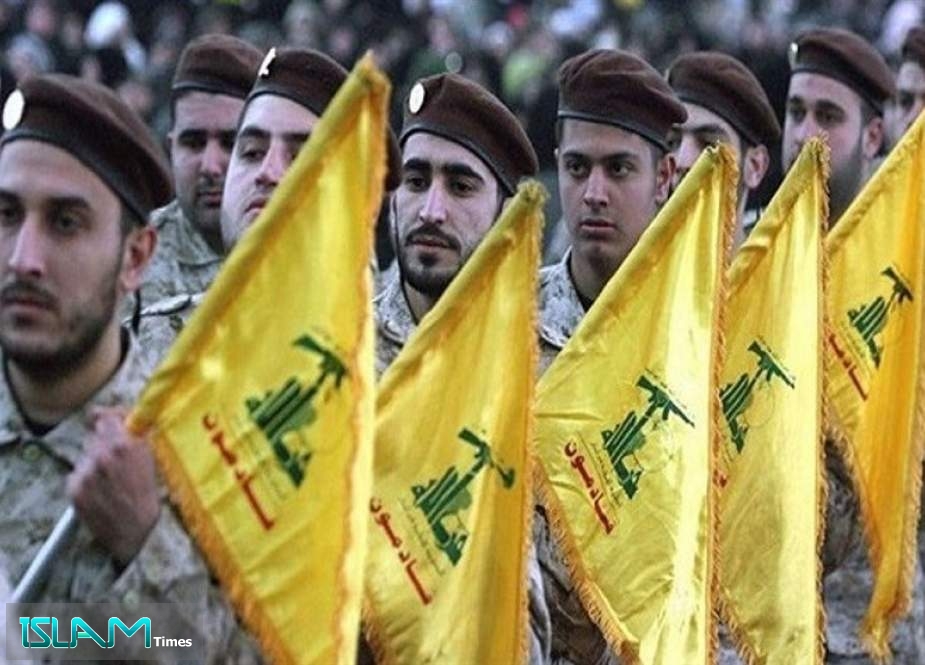
Iran-backed Hezbollah launched rockets at Israel on March 2. This action occurred as tensions escalated in the region, marking a significant development in the ongoing hostilities. Since April, a new ceasefire was announced, aiming to de-escalate the situation between the parties. However, despite this agreement, Israel has reportedly maintained its occupation and continued deadly daily attacks on Lebanon. These ongoing actions have resulted in further casualties and deepened concerns about the humanitarian situation in the country. The persistence of these attacks, even after a declared ceasefire, shows the fragility of peace efforts. The UN mission will investigate the impact of these events on human rights, including the consequences of continued occupation and daily assaults on the civilian population.
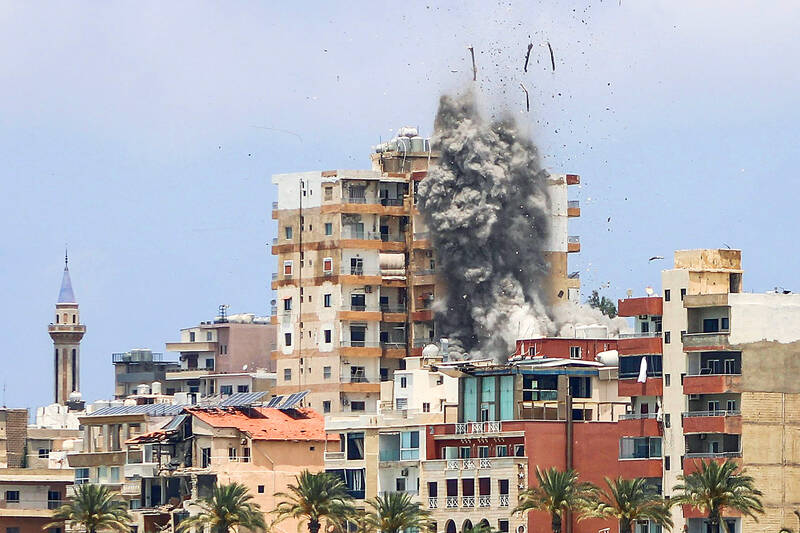
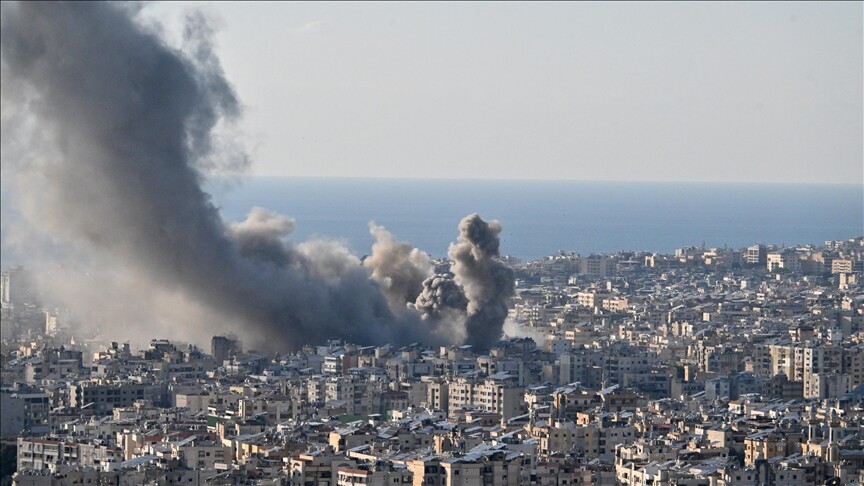
The broader conflict has seen significant devastation. Israel unleashed strikes and a ground invasion, leading to the deaths of more than 3,600 people. These actions also displaced over one million individuals, creating a severe humanitarian crisis. The UN mission's work will be key in documenting the human cost of these military operations and identifying patterns of violations.
Call for Restraint
Volker Turk, the UN rights chief, emphasized the critical need for de-escalation in the region. He stated that "de-escalation, restraint, and the protection of civilians must be the priority." This call comes as his office dispatches a mission to Lebanon to investigate alleged human rights abuses. The mission will gather evidence regarding violations of international human rights law and international humanitarian law committed by parties involved in the armed conflict since March 2. Turk's statement shows the urgent humanitarian concerns amidst the ongoing tensions and reported breaches of a recent ceasefire, stressing the imperative for all parties to adhere to international legal obligations.
Accountability and Justice
Israel unleashed strikes and a ground invasion, leading to the deaths of more than 3,600 people. These actions also displaced over one million individuals, creating an urgent need for humanitarian assistance and accountability. The UN mission in Lebanon is tasked with gathering evidence concerning alleged violations and abuses of international human rights law and international humanitarian law committed by parties to the armed conflict since March 2. This evidence collection is a key step towards ensuring accountability for those responsible for serious violations. The dispatching of the mission by Volker Turk, the UN rights chief, aims to address the escalating abuses and ongoing humanitarian concerns in the country, ultimately contributing to efforts to secure justice for victims and prevent future atrocities. The thorough documentation of these incidents is vital for any future legal proceedings or international interventions.