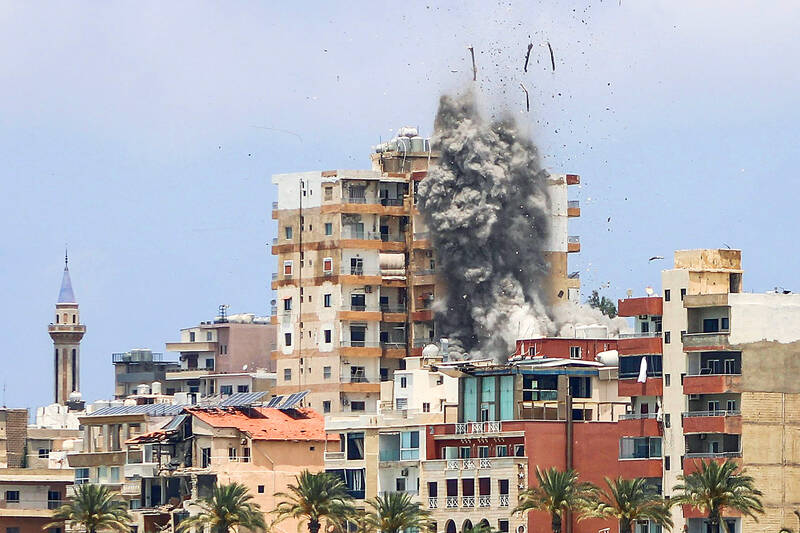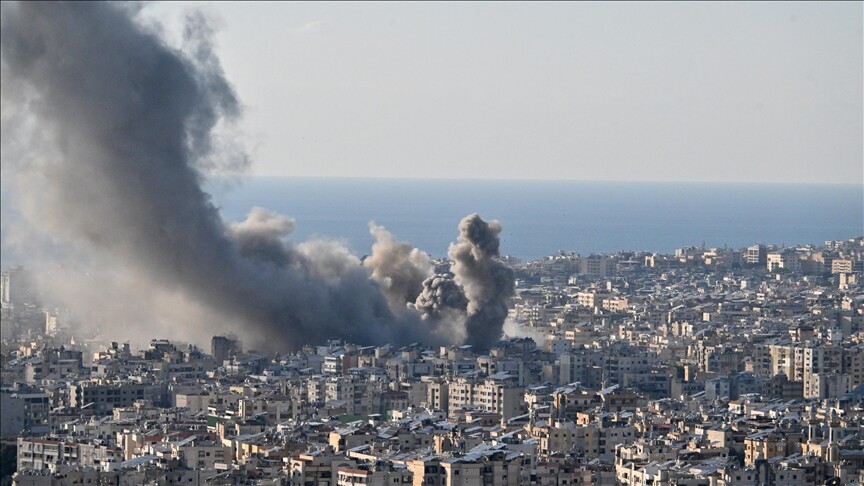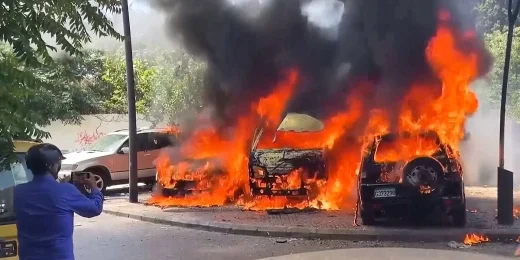
An Israeli drone strike reportedly killed two people in the Lebanese city of Sidon on June 10, 2026. The incident, which occurred in a southern coastal city previously spared from similar attacks, marks an apparent escalation in regional hostilities. This development has drawn significant attention, as Sidon, a prominent urban center along Lebanon's coastline, has largely remained outside the direct line of fire in the ongoing conflict. Further details regarding the identities of those killed and the precise location within Sidon remain under investigation by local authorities and security forces. The strike has immediately raised concerns about the potential for a wider geographical spread of the conflict.
Details of the Strike
Two people were reportedly killed in the drone strike in Sidon. The attack took place in a city that had largely been spared from such incidents during the ongoing regional tensions. For months, residents of Sidon have observed the conflict primarily from a distance, making this direct strike a significant and unsettling event for the community. The identities of those killed have not yet been officially released, and authorities are continuing investigations into the circumstances of the strike, including the specific target and the nature of the drone operation. Emergency services responded to the scene following the incident, and preliminary reports indicate that the strike caused significant damage in the immediate vicinity. The incident occurred on June 10, 2026, according to initial reports, prompting immediate calls for calm and de-escalation from various regional and international bodies.
Broader Conflict Context
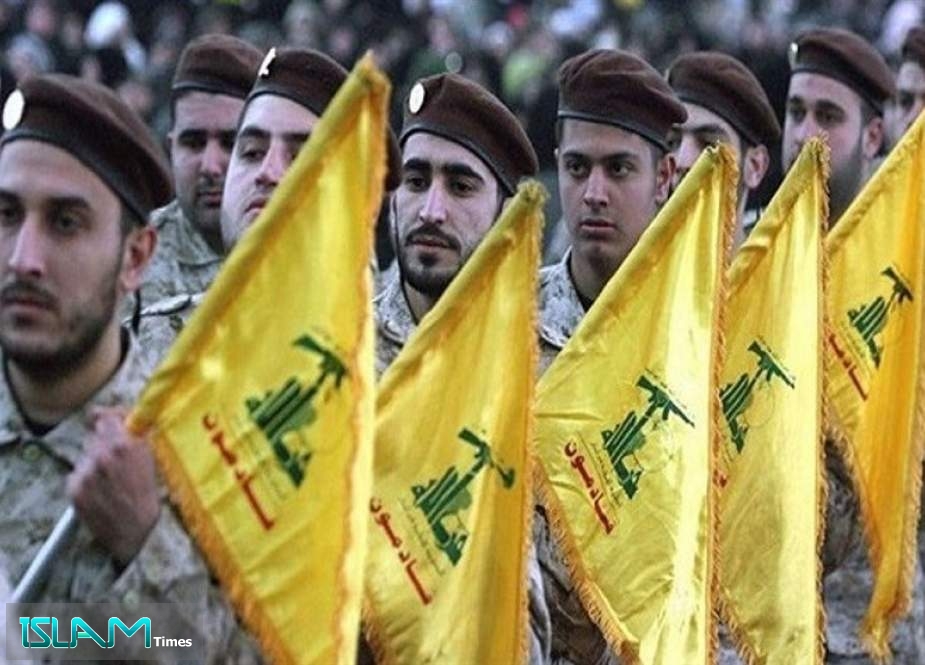
The drone strike in Sidon occurs amid a broader conflict that has seen significant casualties over recent months. Approximately 3,500 people have died during 100 days of fighting between Israel and Hezbollah. This period of intensified exchanges has primarily affected areas closer to the Israeli-Lebanese border, where cross-border shelling and aerial attacks have been a daily occurrence. The conflict has involved frequent exchanges of fire, with both Israeli and Hezbollah forces reporting military and civilian casualties. The focus of these hostilities has typically been concentrated in southern Lebanon, particularly in villages and towns directly adjacent to the border. This makes the reported strike in Sidon, a city further north along the coast and a considerable distance from the established conflict zone, a particularly notable and concerning development. The ongoing hostilities have involved frequent cross-border fire, with both sides reporting military and civilian casualties, leading to widespread displacement and humanitarian challenges in the border regions. The recent incident marks an apparent expansion of the operational range of such attacks, indicating a potential shift in the conflict's dynamics.
Escalation and Impact
The strike in Sidon represents a significant geographical expansion of the conflict that has largely been concentrated along the Israeli-Lebanese border. Previously, most cross-border exchanges between Israel and Hezbollah had occurred in southern Lebanon, primarily targeting areas within a few kilometers of the international boundary. The coastal city of Sidon, located further north and historically a commercial and cultural hub, had largely been spared from such direct attacks, providing a relative sanctuary for those fleeing the violence closer to the border. This incident indicates a potential widening of the operational zone for strikes, suggesting that previously untouched areas may now be vulnerable. The escalation raises serious concerns about the stability of the region and the potential for a broader, more destructive conflict that could encompass a larger swathe of Lebanese territory. Over the past 100 days, approximately 3,500 people have died in fighting between Israel and Hezbollah, according to reports, showing the severe human cost of the ongoing hostilities. The strike's location, far from the typical conflict zone, could signal a new phase in the ongoing hostilities, potentially drawing more urban centers into the direct line of fire and exacerbating the humanitarian situation. International observers are closely monitoring the situation, fearing a further unraveling of regional security.