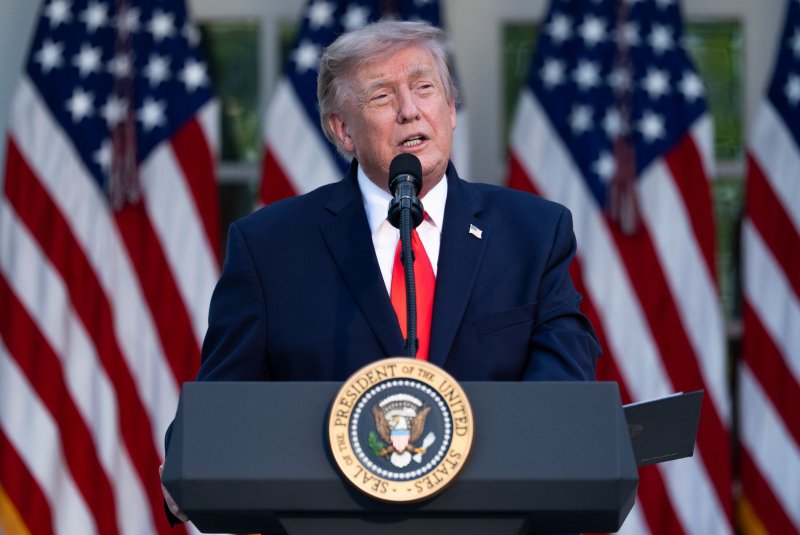
U.S. President Donald Trump's recent suggestions that Syria's new leader, Ahmad Sharaa, could more effectively curb Iran-backed Hezbollah than Israel has alarmed both Lebanon and Syria. Mr. Trump's repeated suggestions, made twice this month, indicate a notable shift in approach regarding regional security dynamics. The former president reportedly turned to Mr. Sharaa to "deal with Hezbollah," arguing that the Syrian leader would do "a better job" than current efforts. These remarks have ignited significant concern across the region, particularly in Beirut and Damascus.
According to sources, Mr. Trump's interest in Mr. Sharaa stems from a profound frustration with Israeli Prime Minister Benjamin Netanyahu over delays in ending the conflict in Lebanon. This frustration is reportedly coupled with an eagerness on Mr. Trump's part to finalize a deal with Iran. These underlying motivations have led to Mr. Trump's controversial proposal, suggesting a new, unconventional pathway to address the persistent challenge posed by Hezbollah. His remarks have raised considerable concerns in Beirut and Damascus, given the complex historical and political ties between the countries and the militant group. Ahmad Sharaa himself has previously referred to the conflict as "the big wound," acknowledging the profound impact of the ongoing situation on the region and its people. The implications of such a proposal are broad, potentially reshaping alliances and strategies in the volatile Middle East.
Hezbollah's Rise and Regional Tensions
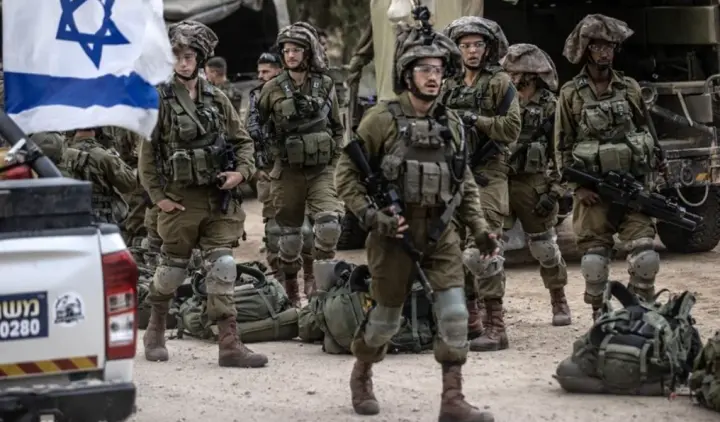
Hezbollah emerged as the region's most powerful armed group through more than 40 years of consistent Iranian funding and military support, according to claims from various reports. This sustained backing allowed the group to build a formidable arsenal and establish a significant presence in Lebanon, profoundly influencing its political and security landscape. Since opening a front in support of Gaza in October 2023, Israel has consistently called for Hezbollah to be stripped of its weapons, viewing the group as a direct and existential threat to its northern border. This demand shows the international community's ongoing struggle to manage the group's military capabilities.
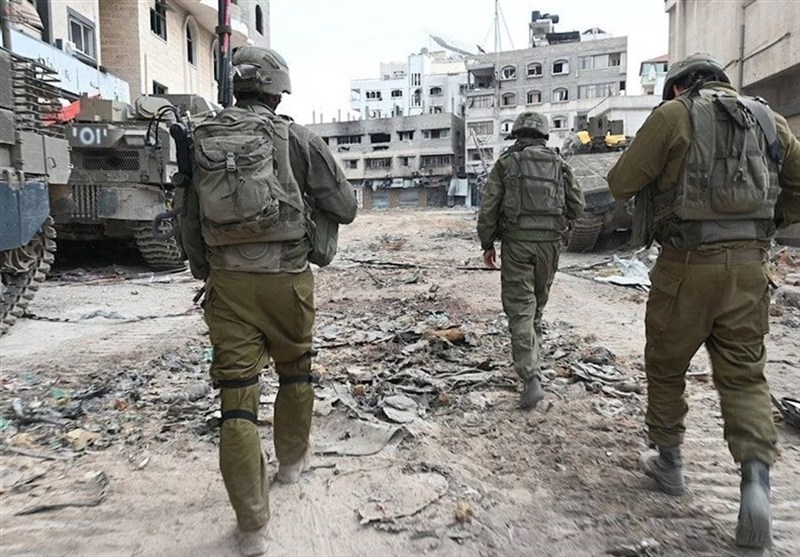
In response to Hezbollah's actions and its continued military operations, Israel retaliated forcefully, dealing the group significant blows by decapitating its top command and severely degrading its military infrastructure. These strikes aimed to diminish Hezbollah's operational capacity and deter further aggression, noting the intense and often violent nature of the conflict. Despite these severe setbacks, Hezbollah resumed fighting in March after rebuilding its ranks, indicating its resilience and capacity to reconstitute its forces even under intense pressure. This ability to recover and re-engage in conflict shows the deep roots and extensive support networks that sustain the organization.
The group's arsenal remains a major concern for the Lebanese government, which views it as a significant impediment to national sovereignty and stability. The presence of a heavily armed non-state actor within its borders complicates governance and international relations. Since last August, Lebanon's government has begun adopting bold measures aimed at containing Hezbollah, disarming it, and declaring its military and security activities unlawful. These efforts represent a concerted push by the Lebanese authorities to assert control over their territory and limit Hezbollah's independent military operations, reflecting a growing internal desire for national unity and stability.
Syria's New Leadership and Regional Stance
Bashar Assad, the former Syrian leader, was considered a key ally of Hezbollah, a relationship that deeply influenced regional dynamics for many years. This alliance provided Hezbollah with strategic depth and logistical support, reinforcing its position as a powerful non-state actor. Since taking power, Ahmad Sharaa has sought to assure Lebanon that he will not interfere in its affairs, signaling a departure from the previous Syrian administration's approach. This stance is a key element in Mr. Sharaa's efforts to re-establish Syria's regional standing and foster new relationships with its neighbors.
Mr. Sharaa recently expressed readiness to engage in discussions with the militant group if it would serve the interests of both Syria and Lebanon. This willingness to sit at the same table with Hezbollah marks a pragmatic approach, aiming to find common ground and de-escalate tensions through dialogue rather than confrontation. Such a move could potentially open new avenues for diplomatic solutions in a region long plagued by conflict.
David Wood, an observer of regional dynamics, stated that Mr. Sharaa is actively seeking to reduce the prospect of Sunni-Shiite tensions, a widespread and often destabilizing factor in the Middle East. Mr. Wood noted that Mr. Sharaa is relying heavily on the diplomatic and economic influence of Turkey and Saudi Arabia to achieve this goal. These regional powers are seen as key partners in promoting stability and fostering inter-sectarian dialogue. "No one in the region wants another flare-up of sectarian violence," Mr. Wood commented, emphasizing the collective desire among regional actors to "avoid going down that path." This sentiment notes a shared understanding of the devastating consequences of renewed sectarian conflict and the urgent need for preventative measures.
Mr. Wood also provided insight into Hezbollah's strategic importance for Iran. "During this war, Hezbollah has proven its value to Iran as a strategic asset right next to Israel by continuing to fight and survive," Mr. Wood said, adding that this holds true "even if it is not as strong as it was three years ago." This assessment shows the enduring significance of Hezbollah to Iran's regional strategy, positioning the group as a vital proxy force capable of exerting influence and projecting power near Israel's borders. The group's ability to withstand significant military pressure and continue operations reinforces its perceived value to its patron.
U.S. Diplomatic Efforts and Historical Context
Tom Barrack, the U.S. Ambassador to Turkey and special envoy for Syria and Iraq, has been a central figure in recent diplomatic efforts concerning the region. Mr. Barrack's role notes the United States' continued engagement in Middle Eastern security and its attempts to navigate the complex web of alliances and conflicts. Mr. Barrack was assigned in mid-2025 to meet with Lebanese leaders and advance a U.S.-drafted roadmap for the gradual and full disarmament of Hezbollah. This roadmap represents a full diplomatic initiative aimed at addressing the core issue of Hezbollah's military capabilities and promoting a more stable Lebanon free from the influence of armed groups.
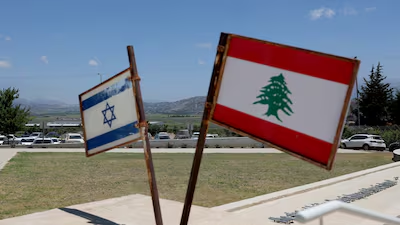
The United States' diplomatic push comes against a backdrop of complex historical relations between Lebanon and Syria, marked by periods of close ties, military intervention, and political upheaval. Lebanon endured a decades-long Syrian military presence, which initially began in 1976. This presence significantly shaped Lebanon's political and military landscape for nearly three decades, profoundly influencing its internal affairs and contributing to its post-civil war reconstruction. The Syrian military's involvement was a defining feature of Lebanese politics for a generation.
Syrian troops eventually withdrew from Lebanon in 2005, a move that marked a significant turning point in the relationship between the two nations. This withdrawal ended a long period of direct Syrian military involvement in Lebanese affairs, allowing Lebanon to assert greater sovereignty and pursue an independent political trajectory. The departure of Syrian forces was widely seen as a key step towards Lebanon's full independence and a rebalancing of regional power dynamics.
Syria itself experienced significant internal upheaval starting in 2011. Anti-Assad peaceful protests began in 2011, which soon escalated into a bloody civil war. This internal conflict drastically altered Syria's regional standing and its focus, shifting its priorities from external influence to internal survival. The civil war created a new dynamic for its neighbors, including Lebanon, as the conflict spilled over borders and reshaped geopolitical alliances. This period of intense internal strife fundamentally changed Syria's capacity and willingness to project power beyond its own territory.
Reactions and Future Outlook
Ahmad Sharaa assumed power in December 2024 after his Islamist forces ousted longtime ruler Bashar Assad, marking a dramatic shift in Syrian leadership. Mr. Sharaa has since declined former U.S. President Donald Trump's suggestion to deploy Syrian military forces against Hezbollah, instead favoring peaceful political solutions and economic cooperation with Lebanon. This refusal shows a clear strategic choice by the new Syrian leadership to prioritize diplomatic engagement over military intervention, especially concerning a group deeply entrenched in Lebanese society.
Mr. Sharaa's stance reflects a desire to avoid further conflict, particularly one that could destabilize his nascent administration and embroil Syria in another costly regional entanglement. Syrians harbor grudges against Hezbollah and its patron, Iran, for siding with the Assad regime and joining brutal battles against opposition fighters starting in 2012. This historical resentment further complicates any potential Syrian military action against Hezbollah, as it would likely be unpopular domestically and could reignite internal tensions.
The Syrian leader himself has previously referred to the conflict in the region as "the big wound," acknowledging its profound impact on the lives of ordinary people and the stability of nations. His administration's focus on political and economic engagement with Lebanon, rather than military intervention, signals a distinct shift from previous Syrian policies regarding Hezbollah's presence and activities. This approach aims to reduce regional tensions and foster stability through diplomatic channels, seeking to build a more constructive relationship with Lebanon based on mutual respect and non-interference. The long-term success of this strategy will depend on regional cooperation and the willingness of all parties to embrace peaceful resolutions.