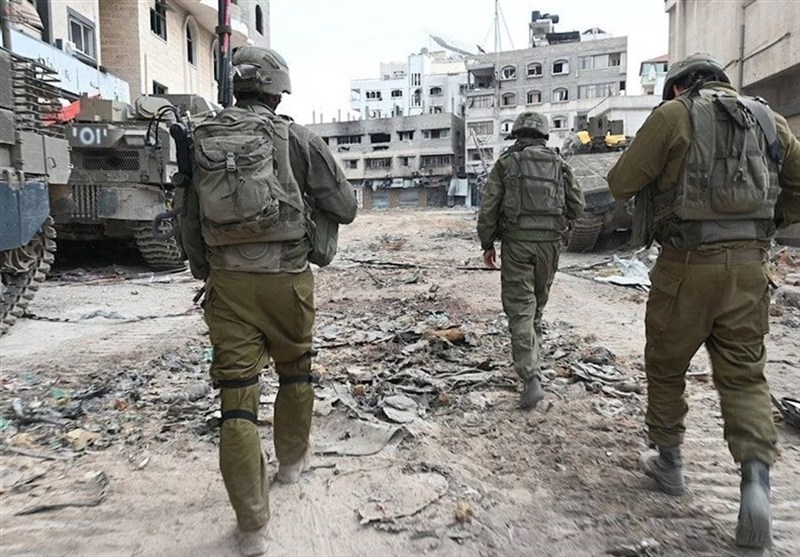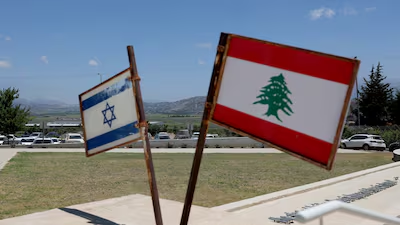
A ceasefire between Israel and Lebanon’s Hezbollah took effect on Saturday, June 20, 2026, following months of intense conflict that have left significant damage and widespread displacement across Lebanon. The cessation of hostilities, which took hold on Saturday, June 20, 2026, aimed to halt the violence that had engulfed the region. Israel’s military initiated an air and ground campaign in Lebanon in early March 2026, leading to widespread destruction and a humanitarian crisis. From March 2 to June 12, 2026, more than 90,000 housing units were damaged or destroyed throughout Lebanon, according to reports detailing the extensive impact of the fighting. The scale of destruction presents a formidable challenge for displaced Lebanese populations hoping to return home, casting a long shadow over the promise of peace.
Lingering Displacement and Destruction
Hussein Merhi, 39, remains among the tens of thousands of Lebanese displaced from their homes even after a ceasefire took effect. His house in Kfar Kila was completely destroyed, and the town itself is currently occupied by Israel's military, making any immediate return impossible. Merhi, a father of three, expressed his profound frustration and despair, stating, "I still can’t go back to my village. It’s still occupied. My house is gone, and my livelihood is gone." He added, with a sense of resignation, "We were displaced, and we’re going to remain displaced. There’s a ceasefire – what did I gain?" His words show the grim reality faced by many who see little immediate benefit from the cessation of hostilities.
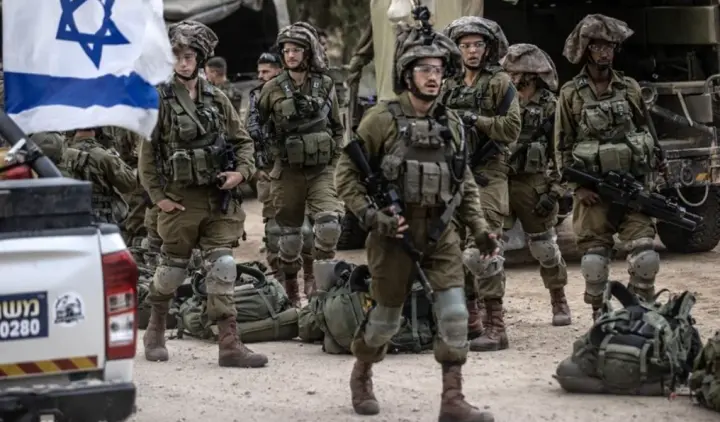
The human cost of the conflict is staggering, with more than 1.2 million people displaced during the fighting, representing approximately a fifth of Lebanon's total population. Out of over 103,000 people residing in displacement shelters before the ceasefire, only about 14,000 had departed by Wednesday, June 25, 2026. This slow rate of return indicates the immense obstacles preventing many from going back to their communities. This situation is further compounded by the continued presence of Israeli troops, who remain deployed 10 kilometers into southern Lebanon. This occupied zone encompasses dozens of Lebanese villages, effectively preventing residents from returning to their homes and livelihoods. The presence of these troops creates a de facto buffer zone that is inaccessible to its former inhabitants, exacerbating the displacement crisis.
The impact of displacement is not new for some, including Alaa Kobeissy, from Zebdine, who had previously fled to Iraq during the 2024 war between Israel and Hezbollah. Kobeissy is once again displaced after his family's homes sustained too much damage to allow for their return, noting a recurring pattern of conflict and displacement in the region. Merhi's 64-year-old mother, Zahra Chehadeh, also faces a grim reality. "There’s no house, no village," Chehadeh said, describing the extent of the destruction in their area. She articulated the emotional toll of losing her home and community, stating, "Like everyone else, I felt like I wanted to go back to my village, go back to my home. There’s no house, no village, nothing at all. What am I supposed to feel?" Chehadeh hopes the government will provide alternative housing, as current renting costs are prohibitively expensive for her family, adding another layer of financial burden to their plight.
International Law and Diplomacy
Amnesty International stated earlier in June 2026 that Israel's use of mass displacement and "no-return" orders constitutes a violation of international humanitarian law. This claim emerged as discussions continued between Lebanon and Israel regarding a US-backed proposal. The proposal involves Israeli forces handing over some territory to Lebanon's military as part of arrangements following the ceasefire, aiming to address the issue of the occupied zone and facilitate the return of displaced populations. The international community continues to monitor the situation closely, with humanitarian organizations calling for adherence to international legal frameworks to protect civilian populations.
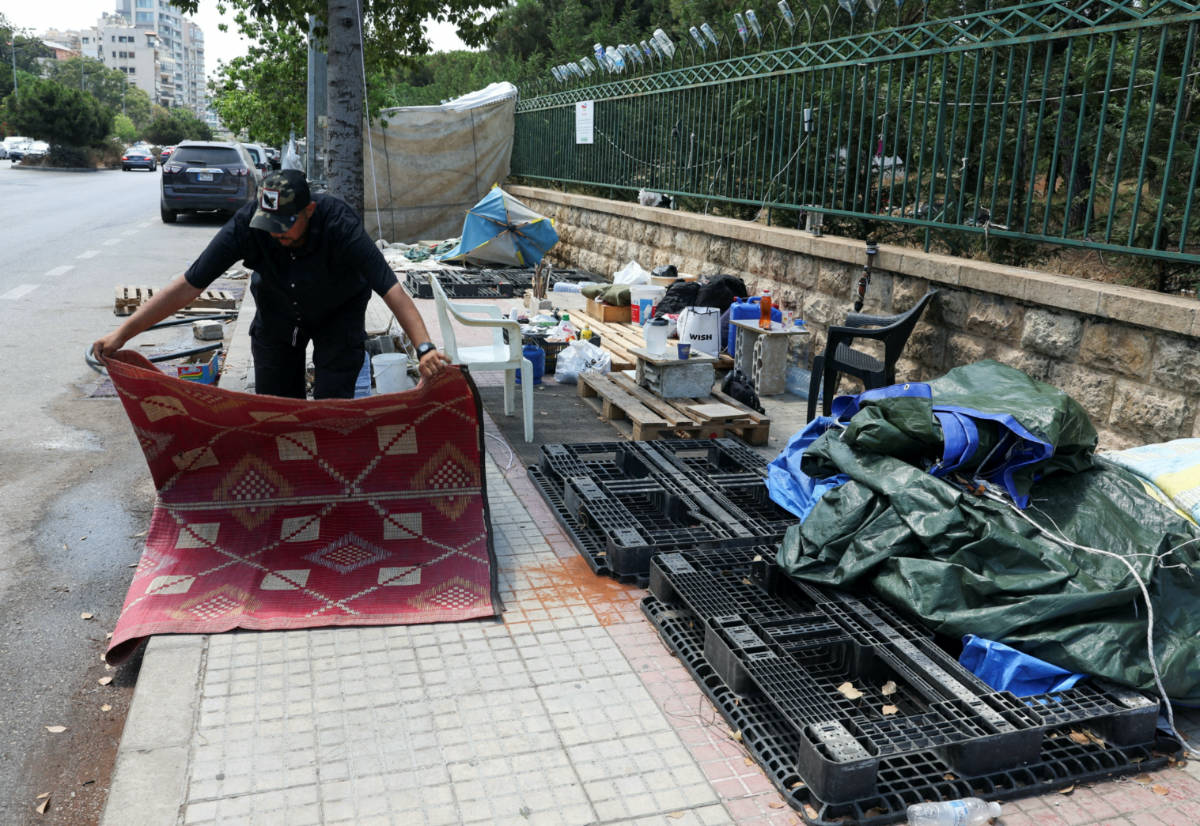
Meanwhile, Beirut's city council announced on Wednesday, June 25, 2026, that individuals residing in makeshift camps within the city would be removed in the coming hours. This action affects displaced populations who have sought refuge in the capital, adding another layer of uncertainty for those already uprooted from their homes. The council's decision comes amidst the broader challenges of displacement and the slow return of residents to southern Lebanon after the cessation of hostilities. The proposed handover of territory by Israeli forces to the Lebanese military aims to address some of the issues surrounding the occupied zone, which currently prevents many Lebanese from returning to their homes in dozens of villages. This diplomatic effort is seen as key for stabilizing the border region and ensuring the long-term safety and security of its inhabitants.
Voices of the Displaced
Hussein Merhi spoke from a university in Sidon, Lebanon, which was being used as a shelter for displaced individuals, providing temporary refuge for those with nowhere else to go. More than 1.2 million people were displaced during the recent fighting, representing approximately a fifth of Lebanon's total population, showing the vast scale of the humanitarian crisis. Among them is Alaa Kobeissy, from Zebdine, who is once again displaced after his family's homes sustained too much damage to allow for their return. Kobeissy stated, "The main problem is that I don’t have a place," succinctly capturing the core issue facing hundreds of thousands. This latest conflict occurred while Lebanon was still in the process of recovering from the 2024 war, adding another layer of hardship and making the current recovery efforts even more challenging for a nation already grappling with multiple crises. The repeated cycle of displacement and destruction notes the urgent need for sustainable peace and full reconstruction efforts to allow these communities to rebuild their lives.