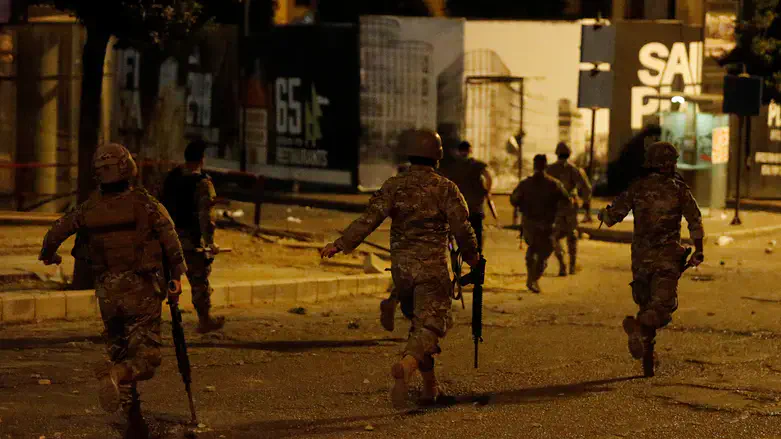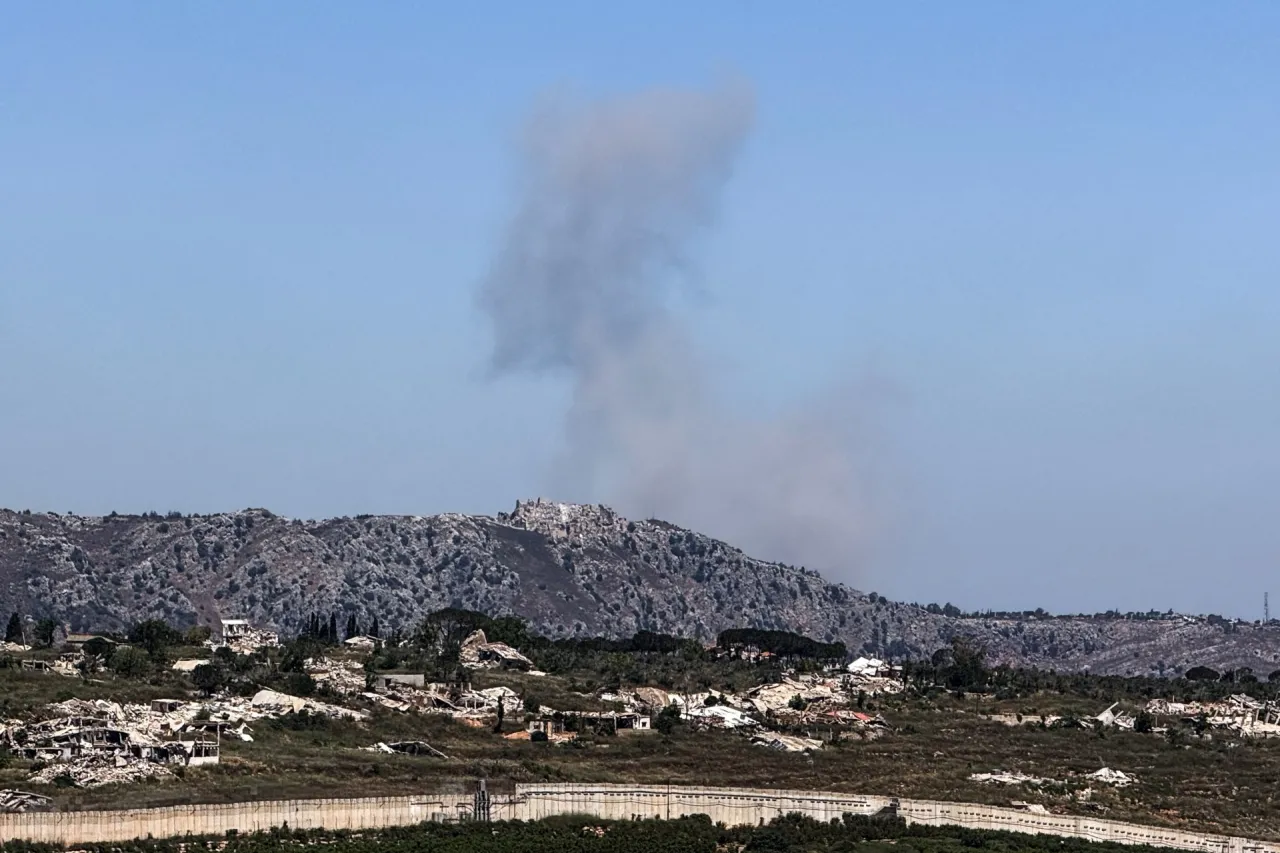
Benjamin Netanyahu has presided over the destruction of Lebanese towns and villages, the killing and displacement of civilians, and an Israeli occupation of Lebanese territory. These events coincide with the broader conflict involving regional actors that intensified after Hamas carried out attacks on 7 October 2023. The military actions initiated under the leadership of Benjamin Netanyahu have resulted in significant territorial control within Lebanon and the forced movement of local populations. Current reports indicate that the ongoing engagement remains a central point of tension between Israel and its neighbors. The military campaign follows the initial security crisis triggered by the Hamas operations on 7 October 2023. Israel continues to maintain its presence in the region as officials monitor the impact on civilian infrastructure and humanitarian conditions.
The Logic of Mutual Hostility
Hezbollah faces mounting pressure from both domestic and international actors to relinquish its arsenal to the Lebanese state. This expectation follows long-standing debates regarding the organization’s role in the security apparatus of Lebanon. Joumana Haddad argues that the status quo serves a specific political function for leadership in Israel. According to Joumana Haddad, "An armed Hezbollah performs a comparable service. It sustains the image of Israel as a country surrounded by permanent existential danger and therefore in permanent need of the man who has built his identity around managing it."
Gadi Eizenkot, a former Israeli chief of staff, remains a central figure in discussions regarding military strategy. Gadi Eizenkot is associated with the Dahiya doctrine, which advocates for the application of overwhelming force against civilian infrastructure as a means to deter hostile entities. The application of this doctrine has shaped recent military operations and the broader security posture of the Israeli government.
Joumana Haddad suggests that the internal political dynamics of Israel do not offer a solution to the ongoing instability in Lebanon. She states, "The Israeli elections will not rescue Lebanon. Lebanese sovereignty should not depend upon which Israeli general or politician is in power, just as it should not depend upon whether Hezbollah decides to respect it." Her assessment emphasizes that reliance on external political shifts in Israel fails to address the fundamental issues regarding the authority of the Lebanese state. The persistence of these conflicting security frameworks continues to define the relationship between the two parties.