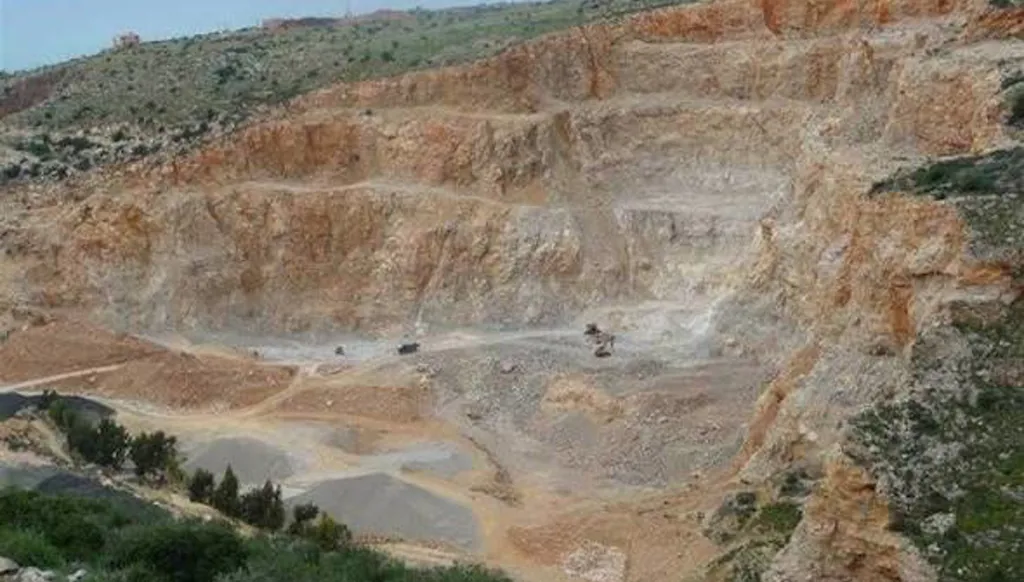
A study published in June 2025 in the journal Ecological Engineering examined the use of the legume Trifolium subterraneum to help restore soil fertility in abandoned quarries in Lebanon. Researchers evaluated how this specific plant species could improve degraded ground conditions left behind by industrial extraction operations. By analyzing the biological impact of Trifolium subterraneum on nutrient-depleted sites, the report assessed the viability of using vegetation as a primary tool for environmental rehabilitation. This research provides a technical basis for potential restoration projects throughout the country, focusing on the chemical and physical recovery of soil structures. The findings offer a pathway for land reclamation efforts that address the long-term ecological consequences of quarrying activities that previously rendered large areas of land barren.
Scientific Approaches to Restoration
Researchers conducted the study on Trifolium subterraneum over two years using a laboratory experiment in agricultural basins. This controlled environment allowed scientists to isolate the biological impacts of the legume on degraded soil samples. The methodology focused on how the nitrogen-fixing properties of this specific legume could interact with the harsh, sterile substrates typically found in former industrial sites. By monitoring the plant's growth cycles and its subsequent interaction with the soil matrix, the team sought to determine if natural biological processes could reverse the damage caused by heavy machinery and mineral removal.
Adding dried plant biomass to the soil during the second year of the study resulted in a statistically significant increase in fertility indicators, including nitrogen, carbon, and phosphorus. These findings provide empirical evidence that organic amendments can facilitate the chemical recovery of nutrient-depleted sites left barren by industrial extraction. The research notes the importance of organic matter in jump-starting the nutrient cycle, which is essential for re-establishing vegetation in areas that have been stripped of their topsoil and organic content. The data collected during this two-year period shows that active intervention using specific botanical species can significantly alter the chemical composition of degraded land, moving it closer to a state capable of supporting broader ecological life.
The United Nations Development Programme (UNDP) in Lebanon published operational procedures in 2025 for managing post-disaster debris. These procedures include guidelines for rehabilitating quarries, providing a framework for land reclamation efforts. The document aims to standardize practices for managing the environmental consequences of quarrying activities across the country. By integrating the technical findings regarding Trifolium subterraneum with the broader administrative protocols established by the United Nations Development Programme (UNDP), stakeholders in Lebanon now have a multi-faceted approach to addressing land degradation. These combined efforts—ranging from localized biological experiments to national-level policy guidelines—represent a concerted attempt to mitigate the environmental footprint of past industrial activities and restore the functionality of the landscape for future use. The alignment of scientific research with institutional oversight is a critical step in ensuring that restoration projects are both ecologically sound and administratively consistent.