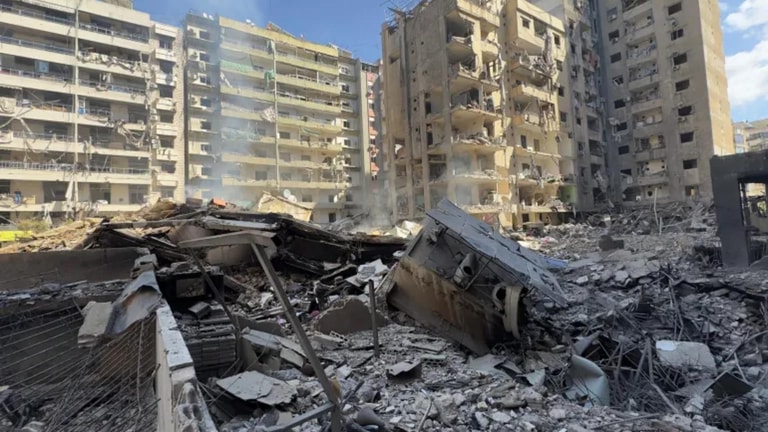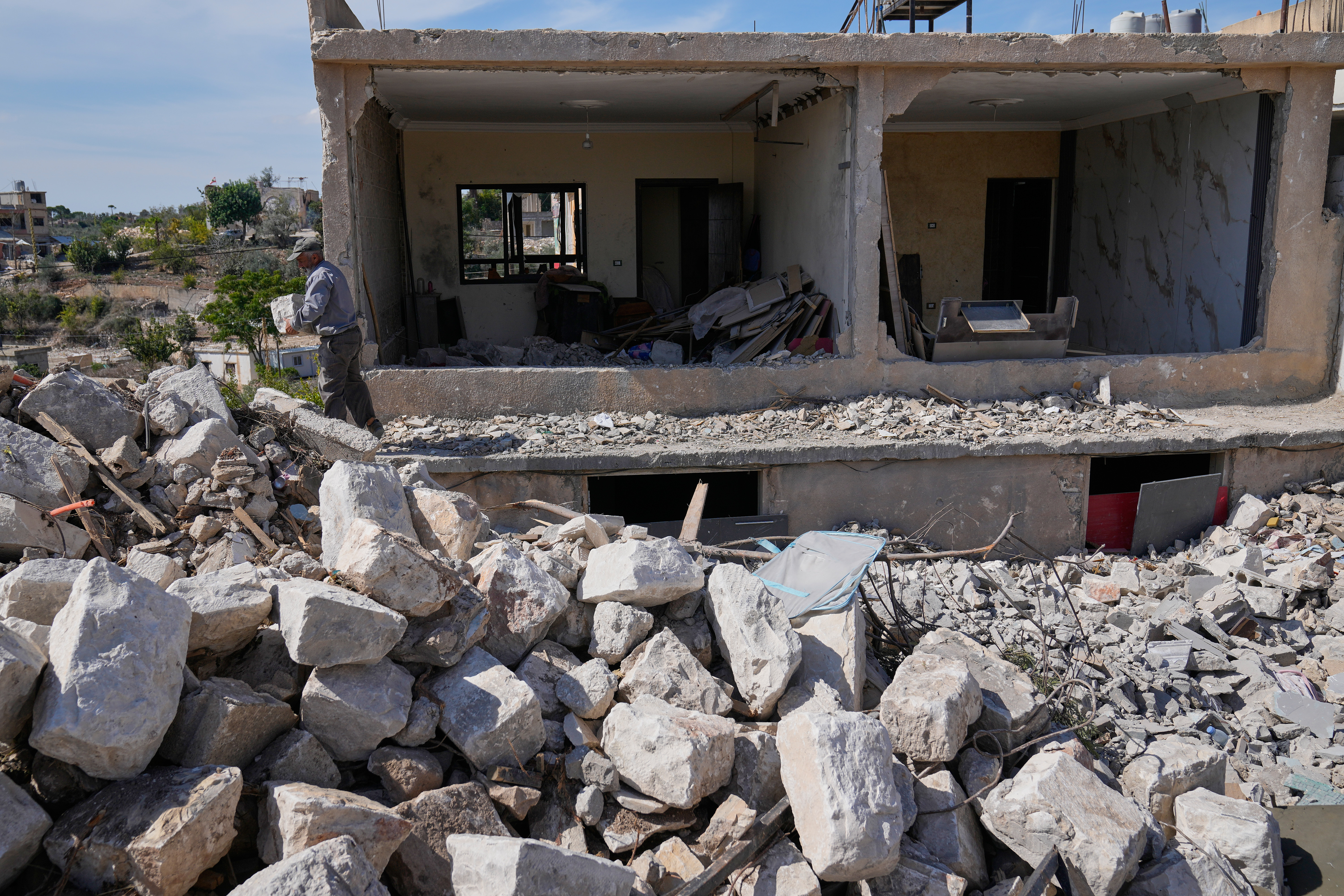
Lebanon has remained engulfed in war since October 2023, creating severe conditions for the country’s residents. This ongoing conflict has fundamentally altered the landscape of daily life, leaving vulnerable populations to navigate an increasingly unstable environment. Data indicates that 80 percent of the population in Lebanon is living in poverty, a statistic that shows the profound financial hardship facing families across the nation.
Disruption of Essential Daily Routines
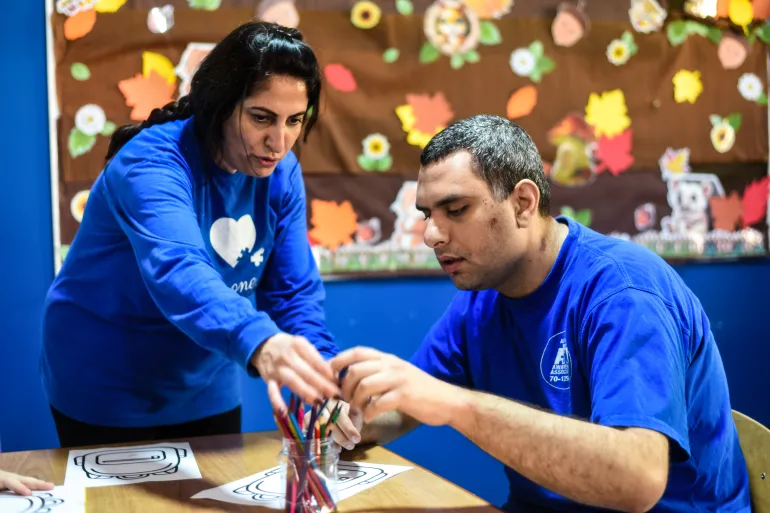
The Autism Awareness Association (AAA), co-founded in 2015, provides specialized care for children on the spectrum. This organization serves as a critical resource for families who require structured support systems to manage the complex needs of their children. Monthly fees for children attending the program five days a week reach $700. This financial commitment is substantial, particularly as households struggle to balance basic living expenses with the cost of specialized therapy.
Ghada Hayek Makhoul, a co-founder of the organization, stated, "Many people don’t know what autism really is. They don’t know the spectrum; how it can vary from mild to moderate to severe." She added, "We need more trained staff, and we also need to keep the staff that are leaving the country. So, we need to have better salaries, but we cannot afford it, because we will have to increase the load on the parents." The loss of specialized personnel to emigration further complicates the ability of local institutions to maintain consistent care.
Parent Lena Kouyoumjian noted, "Any sudden change in routine, loud noises, fear, or uncertainty can increase their anxiety." For children who rely heavily on predictability and sensory regulation, the ambient instability caused by the war represents a direct challenge to their well-being and developmental progress.
Economic Barriers to Critical Care
Inflation in Lebanon is projected to reach 17 percent this year. This economic environment places significant pressure on families seeking specialized medical assistance. The rising cost of goods and services makes the pursuit of therapeutic interventions increasingly difficult. Private mental health consultations in the country can cost more than $100 for a 50-minute session, an expense that remains out of reach for a majority of the population. These high costs force many families to choose between essential household needs and the mental health support required by their children.
The National Disability Allowance, launched in 2023, provides $40 per month to eligible recipients. This amount remains significantly lower than the costs associated with private therapeutic services, leaving a wide gap in coverage. Many families find that the allowance is insufficient to offset the high prices of specialized care, creating a situation where necessary interventions are delayed or abandoned entirely.
Dr. Rabih El Chammay, founder and director of the National Mental Health Programme, noted the broader impact of the ongoing conflict on these services. "War makes this work more difficult because it can increase support needs while disrupting the services people depend on," he stated. As the conflict continues, the strain on both the families and the institutions providing care remains a persistent reality, noting the urgent need for sustainable support frameworks in a time of crisis.