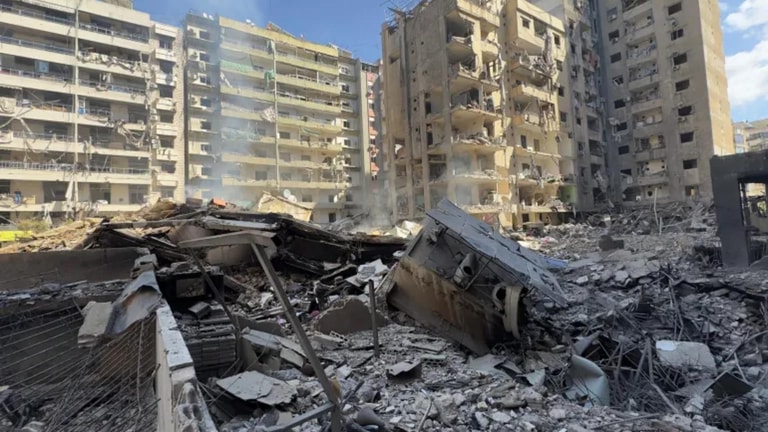
Heightened tensions across the Middle East persist as the United States and Iran continue their ongoing confrontation. Regional stability remains fractured by the direct friction between these two powers. The region is experiencing heightened tensions due to the ongoing US-Iran confrontation, a reality that dictates the current security posture of many nations in the immediate area.
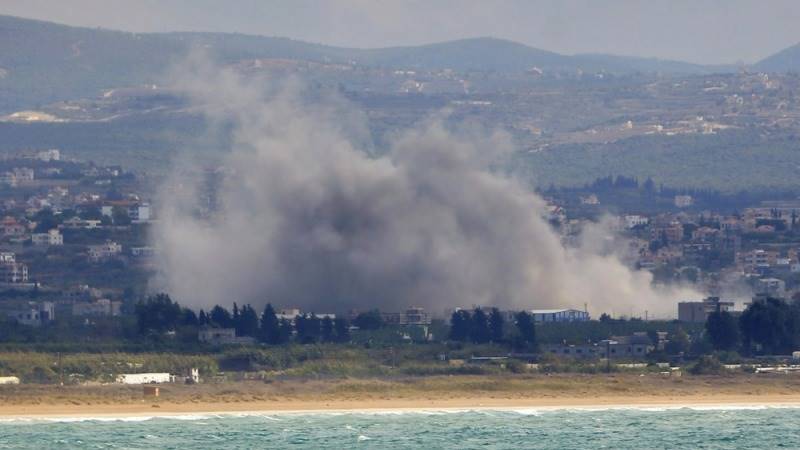
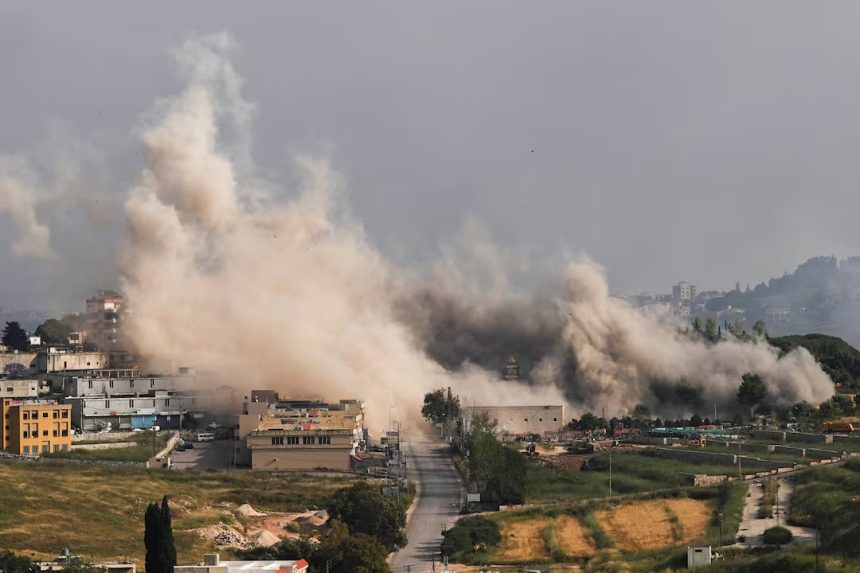
Israeli Prime Minister Benjamin Netanyahu issued a warning regarding the situation in Lebanon. He threatened a severe strike against Hezbollah should the group engage in military confrontation alongside Tehran. The Israeli Prime Minister has threatened a severe strike against Hezbollah if it engages in military confrontation alongside Tehran. Israeli officials maintain that any expansion of hostilities by Hezbollah will trigger a significant response. These developments occur as international actors closely monitor the security situation. Military activities continue to influence the diplomatic climate throughout the region, creating a state of perpetual readiness among various defense establishments tasked with monitoring border activities and potential escalations.
Threats to State Authority
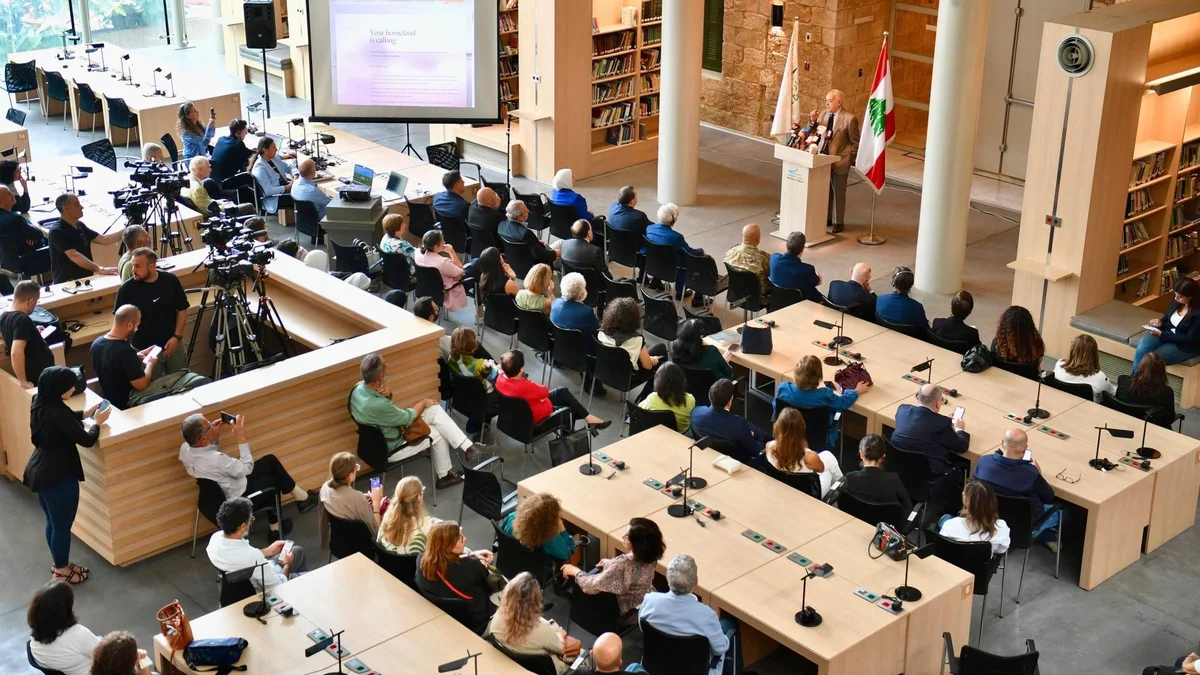
Security incidents in Lebanon, including the seizure of explosives in Dahr el-Baidar and recurring demonstrations in Beirut, have raised concerns regarding the stability of state authority. These events have prompted questions about the capacity of national institutions to maintain internal order amid heightened regional friction. The persistence of these security incidents shows the fragile nature of the current environment, where local incidents are increasingly viewed through the lens of broader geopolitical pressures. Author أمين معلوف (Amin Maalouf) addressed the nature of national belonging, stating: "الهوية مؤلفة من انتماءات متعددة، ولكن لا بد من التأكيد كذلك أنها واحدة، وأننا نعيشها بكليتها" (Identity is composed of multiple affiliations, but it must also be emphasized that it is one, and that we live it in its entirety).
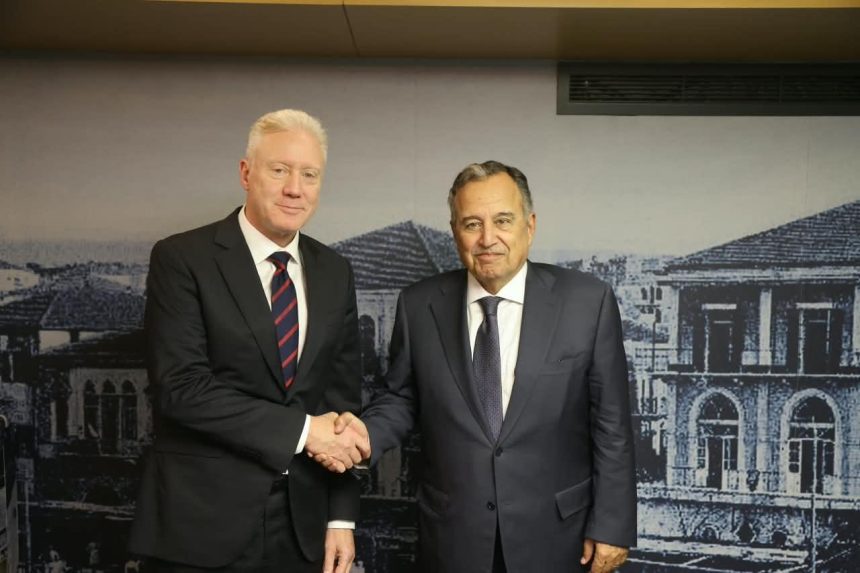
Diplomatic efforts are now underway to support the Lebanese state and ensure the decision of war and peace remains exclusively with legitimate institutions. Diplomatic efforts are underway to support the Lebanese state and ensure the decision of war and peace remains with legitimate institutions. International representatives are engaging with local stakeholders to prevent the erosion of official governance. These initiatives prioritize the restoration of central authority to manage the current security challenges facing the country. Officials involved in these discussions aim to consolidate the role of the state in controlling national territory and safeguarding the population from further instability. By focusing on the reinforcement of national decision-making, these diplomats hope to insulate the Lebanese state from the pressures exerted by external regional actors. The ongoing dialogue between international representatives and local stakeholders remains a critical component of the strategy to preserve the integrity of the state’s decision-making processes during this period of significant regional uncertainty. Maintaining this focus is considered essential for the long-term stability of the country's governance structures.