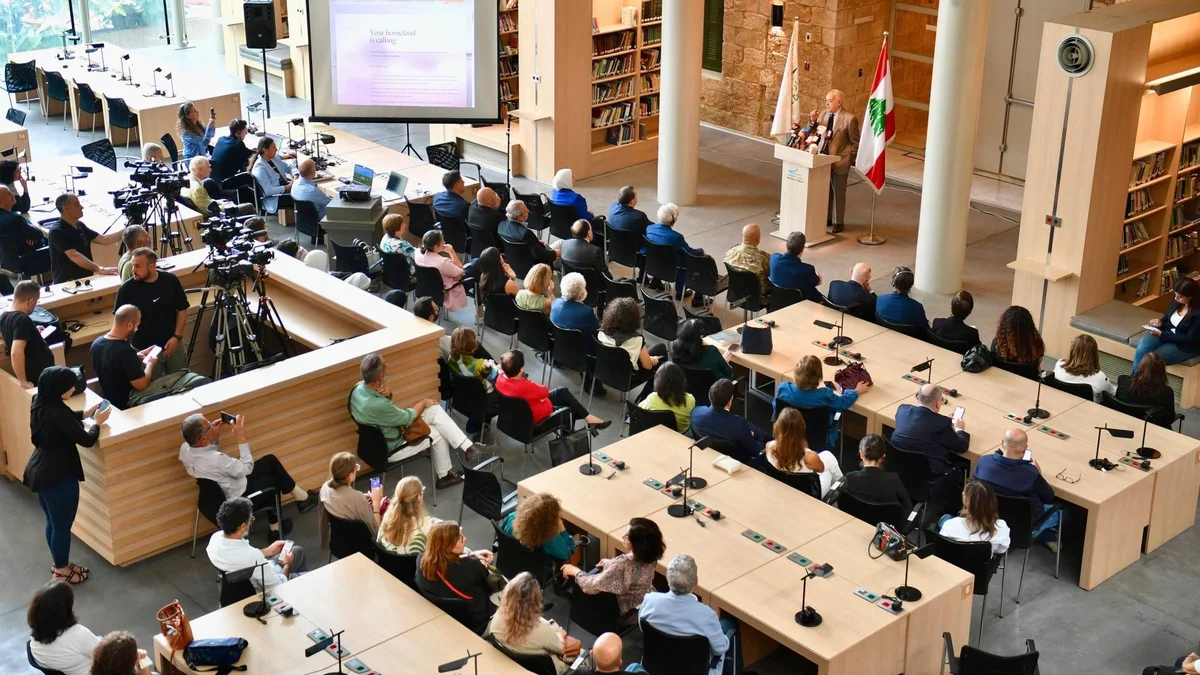
The International Monetary Fund and World Bank Annual Meetings concluded in Bangkok during the week preceding 21 October 2026. Global financial officials gathered at these sessions to address international economic stability. The IMF and World Bank Annual Meetings were held in Bangkok in the week preceding October 21, 2026, serving as a primary venue for international stakeholders to scrutinize the deteriorating fiscal condition of several nations, including Lebanon.
Reports presented during the meetings confirmed that more than $70 billion in losses have accumulated across the Lebanese state, the central bank, and commercial banks. This figure represents the total financial deficit currently affecting the institutions. Officials from the International Monetary Fund and World Bank reviewed these findings as part of their assessment of the Lebanese financial sector. The data accounts for the combined fiscal liabilities held by the state, the central bank, and the Association of Banks in Lebanon. These figures show the depth of the structural breakdown that has hindered the nation's ability to maintain standard financial operations or provide liquidity to its citizens.
Legislative Progress on Banking
Lebanese Parliament members approved an amended Bank Resolution Law in August 2026. The Lebanese Parliament approved an amended Bank Resolution Law in August 2026, marking a significant attempt to provide a legal pathway for addressing the insolvency crises that have plagued the banking sector for years. This legislation establishes new frameworks for managing the insolvency of commercial banks operating within the country. The act follows prolonged discussions among lawmakers regarding the distribution of losses across the financial sector and the protection of remaining depositor assets. By formalizing these procedures, the government hopes to restore a measure of confidence among international lenders who have long demanded clarity on how bad debts are to be handled.
Data regarding the scale of the informal economy remains a central concern for financial monitoring bodies. Lebanon’s dollarised cash economy was estimated at about $9.9 billion in 2022. This amount represented nearly half of the country's gross domestic product during that year. Economists note that the high volume of cash transactions outside the formal banking system complicates the implementation of national monetary policies and fiscal reforms. As the reliance on cash continues to grow, the ability of state institutions to collect revenue and enforce transparent accounting practices remains significantly diminished.
Disputes over the funding of non-state actors continue to impact international perceptions of Lebanon’s sovereignty. Reuters reported that Hezbollah received $200 million from Iran to assist displaced families. The US State Department disputes this figure, though it has not provided a separate estimation for the amount of funds transferred. The discrepancy between these reports remains an issue in diplomatic exchanges regarding financial transparency and the influence of armed groups on local economic stability. The lack of consensus on these financial flows complicates efforts by the international community to provide structured aid, as the intersection of humanitarian assistance and the operational budget of non-state entities remains a point of intense scrutiny and political friction.