Lebanon defaulted on its sovereign debt in March 2020. This financial collapse marked a turning point for the nation, leaving the economy in a state of suspended uncertainty. The government has since struggled to stabilize national finances amid persistent instability. International Monetary Fund (IMF) officials have engaged with authorities to discuss potential reform packages intended to address the fiscal crisis. Oxfam representative Nabil Abdo has raised concerns regarding the potential impact of austerity measures on vulnerable populations in Lebanon. These discussions remain ongoing as policymakers attempt to manage the consequences of the 2020 default. International observers continue to monitor the situation closely as the government explores paths toward economic recovery.
The urgency of these discussions is showed by the fact that Lebanon defaulted on its debt in March 2020, an event that continues to shape the parameters of every subsequent negotiation with international lenders. For the citizens of Lebanon, the prolonged nature of this fiscal crisis has created a landscape of extreme economic hardship, making the specific design of any future recovery program a matter of intense public interest.
The Shift Toward Frontloading
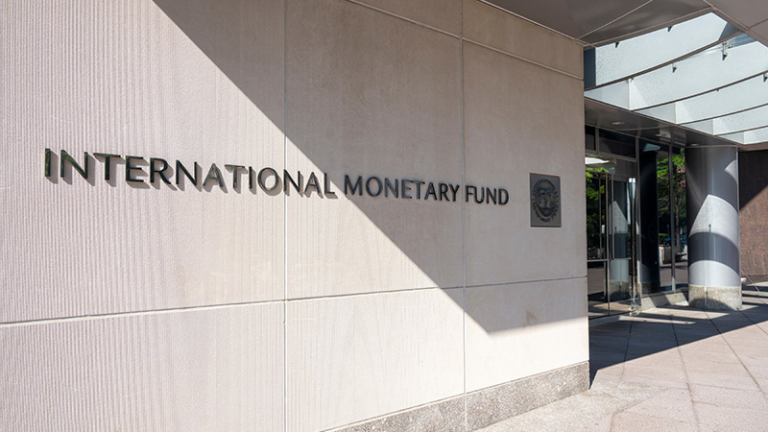
The International Monetary Fund (IMF) Executive Board concluded its Review of Program Design and Conditionality on 14 September 2026. This review process provides an updated framework for how the institution approaches fiscal stabilization programs in member nations. Within the findings of this review, the IMF recommends that fiscal adjustments be "frontloaded" when feasible to address significant budgetary imbalances. The IMF Executive Board concluded its Review of Program Design and Conditionality on September 14, 2026, solidifying this new strategic preference. According to the document, the IMF's 2026 review recommends that fiscal adjustments be 'frontloaded' when feasible as a primary mechanism to restore fiscal health.
Oxfam representative Nabil Abdo expressed concern regarding this specific strategic shift. Nabil Abdo stated, "The most significant and potentially problematic decision in the review is the recommendation that fiscal adjustments should, when feasible, be “frontloaded.”"
Proponents of this approach often point to the 2016 IMF Extended Fund Facility loan provided to Egypt as a primary example of this design. That program required a reduction in the fiscal deficit equivalent to 5.5 percent of GDP over three years. Egypt's 2016 IMF Extended Fund Facility loan required a reduction in the fiscal deficit equivalent to 5.5 percent of GDP over three years, a mandate that forced rapid changes to the state's budgetary structure. While the IMF maintains that such measures stabilize macro-level finances, the social impact in Egypt remains a subject of analysis for aid organizations. Data regarding the Egyptian economy shows that the national poverty rate increased from 27.8 percent in 2015 to 32.5 percent in 2018. Egypt's poverty rate increased from 27.8 percent in 2015 to 32.5 percent in 2018, illustrating the human cost of rapid fiscal consolidation efforts.
Critics argue that these outcomes demonstrate the risks associated with rapid fiscal consolidation. Nabil Abdo noted, "Despite the IMF’s claims of success with frontloading, Egypt is no less dependent on IMF assistance." The potential application of these policies in other contexts continues to be debated as governments attempt to manage sovereign debt and fiscal deficits. As policymakers in Lebanon consider their own path forward, the lessons from the Egyptian experience remain central to the dialogue between the government and international stakeholders concerned with the welfare of the population.