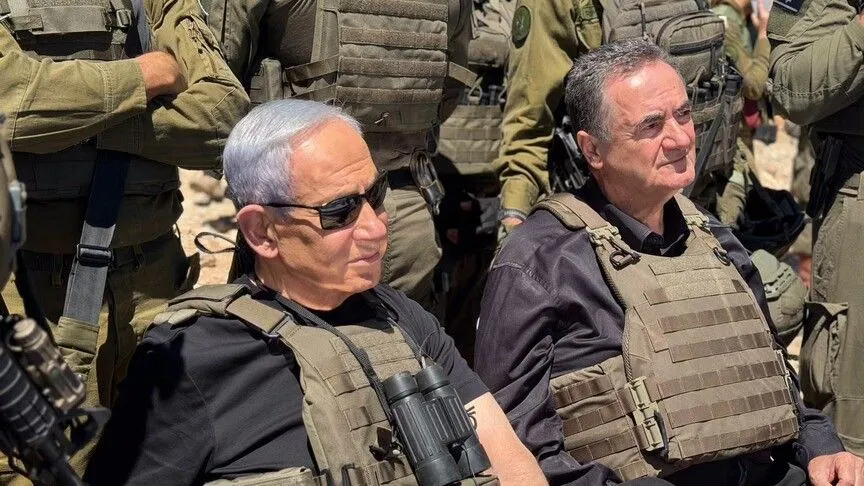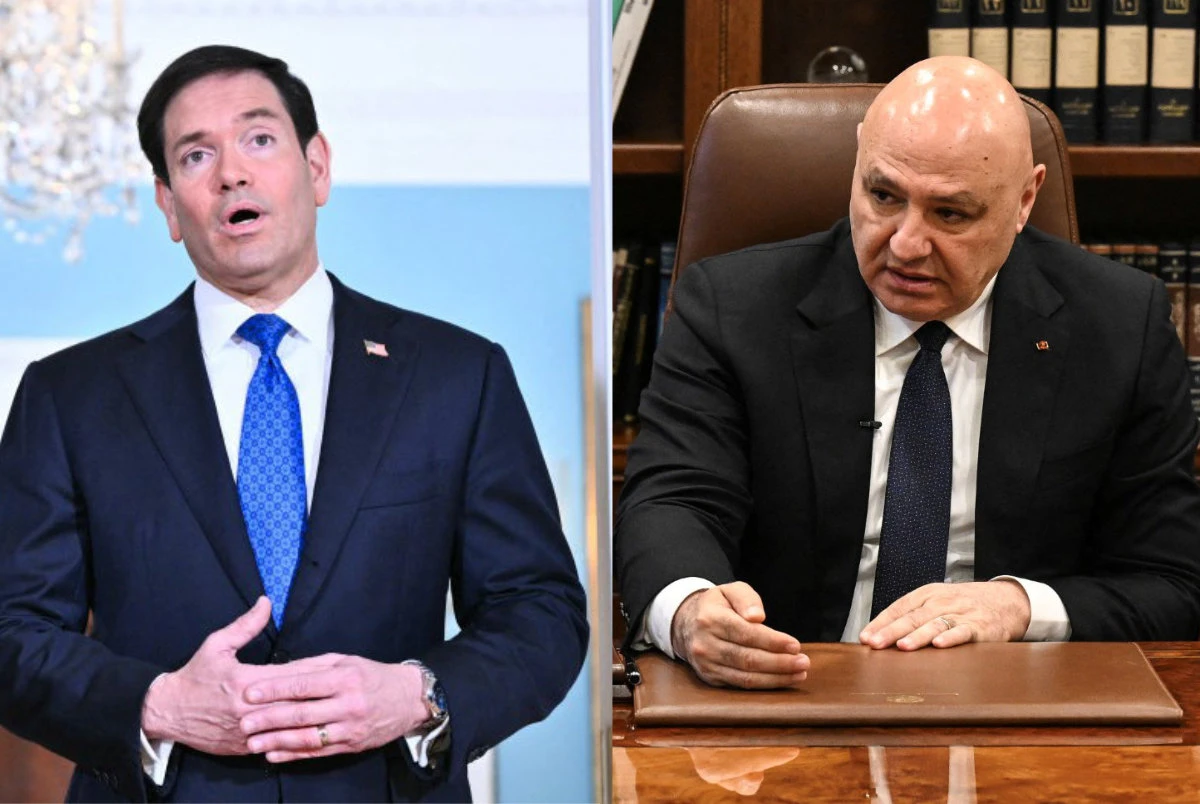
Marco Rubio arranged a trilateral military meeting between Israel, Lebanon, and the US during the week of 21 October 2026. This gathering aimed to address regional security concerns through direct discussions between the involved parties. Representatives from the three nations convened to evaluate military coordination strategies. Officials focused on the current security environment affecting the borders of Lebanon and Israel. The US acted as the primary facilitator for these diplomatic engagements. Each delegation presented specific security requirements to the other participants throughout the scheduled sessions. The meeting concluded with an agreement to maintain open channels for further communication regarding regional stability. No further details regarding the specific agreements reached during these proceedings were released by the participating delegations following the conclusion of the talks.
Security Challenges and State Authority
Lebanese authorities intercepted a truckload of explosives in the Bekaa area during the week of 15 October 2026. Following this seizure, Lebanese President Joseph Aoun called for stricter enforcement of weapons controls to ensure that armaments remain exclusively under state authority. The discovery of these materials prompted renewed scrutiny regarding the operational capacity of non-state actors within the country.
Historical precedents continue to shape contemporary assessments of the Lebanese army's role in internal security. During a conflict involving Hezbollah in May 2008, the Lebanese army remained on the sidelines to avoid internal splintering. Observers often cite this event when evaluating the military's current posture and its ability to act independently of sectarian interests.
Financial support remains a central component of the influence exerted by external actors on internal Lebanese affairs. Reports from October 2026 indicate that Hezbollah received between $200 million and $600 million in funding from Iran to support individuals displaced by the war in southern Lebanon. These funds are intended to provide relief to those affected by the ongoing hostilities, though the scale of the assistance notes the dependency of local populations on resources provided by the group.
Dr. Dania Koleilat Khatib noted that international diplomatic efforts face significant hurdles regarding the regulation of these non-state capabilities. "The US has been displeased with the Lebanese government’s attempts to disarm Hezbollah," Dr. Dania Koleilat Khatib stated. She further addressed the practical limitations of current security policies, noting, "There is no easy way to disarm Hezbollah. But the first step is to strengthen the Lebanese state."
The balance of power remains a point of contention for both domestic officials and international partners. President Joseph Aoun continues to emphasize the necessity of consolidating control over military assets as a means of restoring sovereign authority. Meanwhile, the presence of external financial streams and the historical reluctance of state security forces to engage in internal confrontations pose persistent challenges to these objectives. The recent seizure in the Bekaa area serves as a primary reference point for current debates on how the Lebanese government intends to manage the presence of armed factions outside the official military structure.