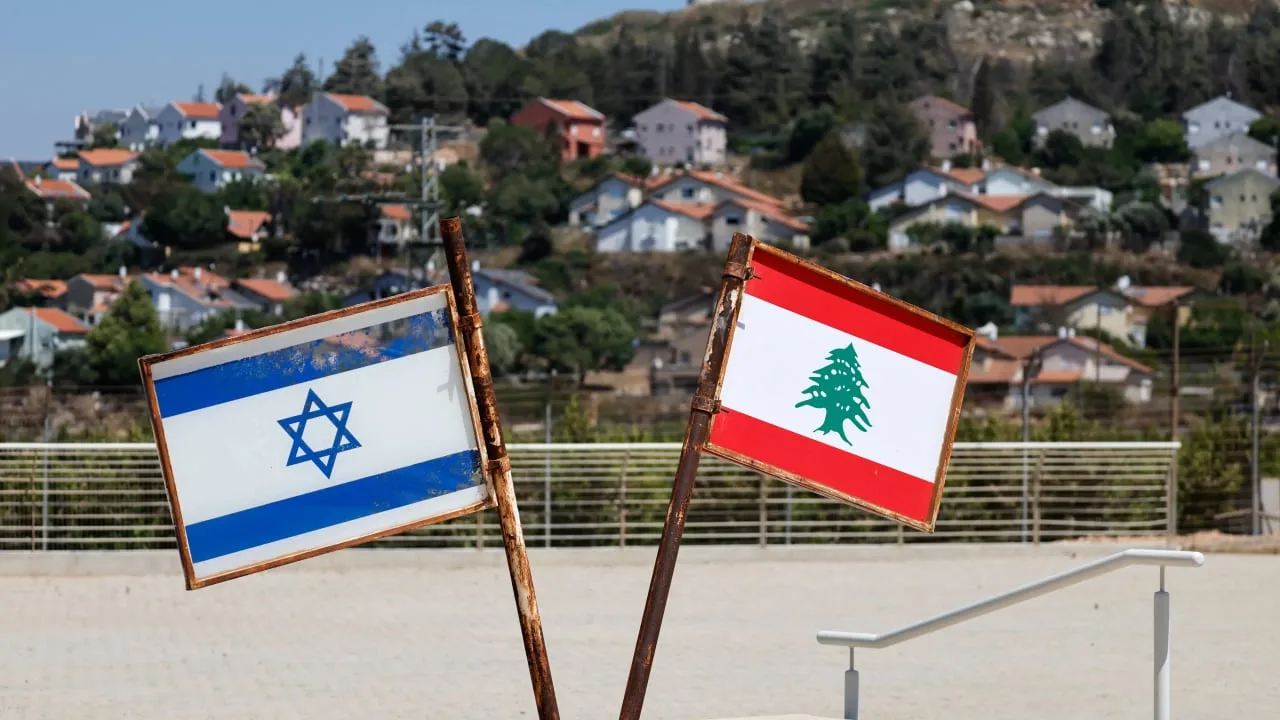
Lebanon enacted an anti-boycott law in 1955 to prevent trade and financial dealings with Israel. This legislation established a legal framework designed to prohibit economic engagement between the two countries. Article 7 of the 1955 boycott law specified that individuals or entities found in violation of these regulations faced significant criminal penalties. These sanctions included sentences of three to 10 years of temporary hard labor. The law mandated that authorities could impose financial fines, order the seizure of assets, and execute the confiscation of products involved in prohibited transactions. These measures formed the basis of the restrictive policy regarding commercial interactions with Israel that has remained a component of the Lebanese legal system.
Historical Violence and Trauma
Palestinian armed groups attacked the town of Damour in January 1976, resulting in the deaths of hundreds of people. Later that year, in October 1976, Palestinian factions launched an attack on the village of Aishiyeh that killed dozens of civilians. Records indicate that more than 600 people were killed in the 1976 attacks on Damour and Aishiyeh combined.
John Hajjar, President of the American Mideast Coalition for Democracy, recently addressed the political situation in Lebanon in relation to current security challenges. Regarding the speaker of the Lebanese parliament, John Hajjar stated: "It's time for him to go, and if President Aoun and Prime Minister Salem can't get Hezbollah disarmed, then it's time for them to go."
Persecution of Dissenting Voices
Members of the Lebanese diaspora have faced sentences of up to 15 years in absentia for expressing the view that Lebanon would benefit from peace with Israel. John Hajjar, President of the American Mideast Coalition for Democracy, argued that the country's economic potential remains constrained by existing diplomatic barriers. "The Lebanese people demand peace. They want to grow their economy. The infrastructure in Lebanon is in shambles. Lebanon is still a beautiful place, and a lot of economic activity still goes on, but it could be so much better if there were strong ties with Israel," he said.
John Hajjar also noted a shared experience between expatriate communities and the Israeli public regarding historical hardships. "I think the Lebanese diaspora in the United States understands the persecution of minorities, and they feel a natural affinity to the State of Israel and what Israelis have endured, because the Lebanese themselves have endured the same things in Lebanon for hundreds of years."