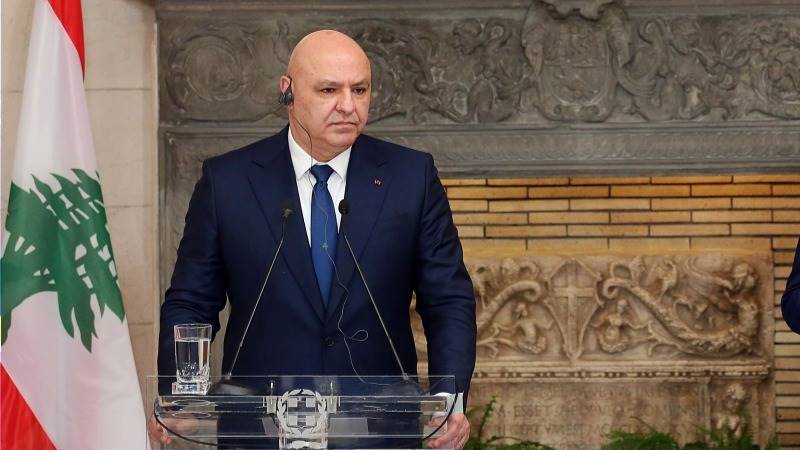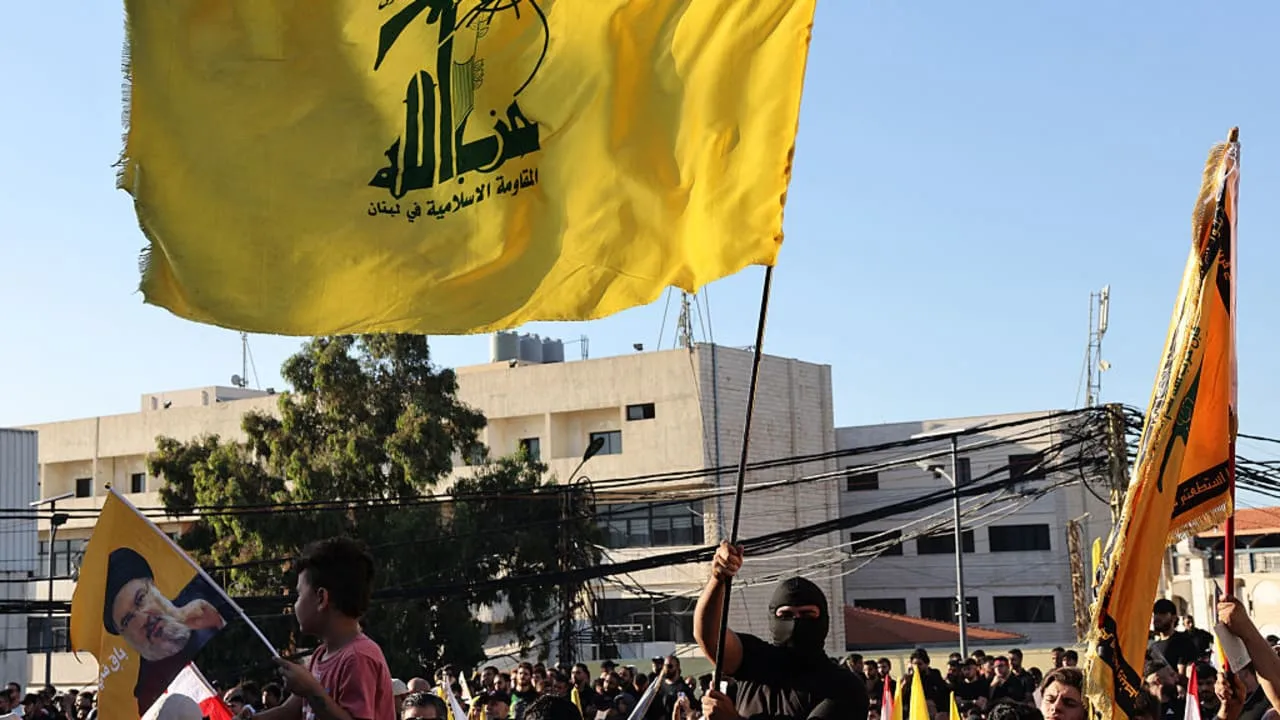
A survey conducted by Statistics Lebanon in September 2026 among 800 Lebanese Shi'ites found that 66.4% of respondents supported transferring Hezbollah's weapons to the Lebanese state, while 29.6% preferred that the group retain its arsenal. Roi Kais at Israel’s KAN reported on these findings, stating: "A new survey has revealed that about 66 percent of Lebanese Shi'ites support Hezbollah's transfer of weapons to the state, and more than 40 percent express anger and disappointment with its leadership. Amid growing criticism, the support networks and status the terrorist organization has given the sect still maintain its power - as long as no other entity fills the vacuum." These figures indicate a shift in public opinion regarding the military position of Hezbollah within the country.
Shifting Views on State Sovereignty
Statistics Lebanon conducted a survey in September 2026 showing that 71.1% of respondents believed that decisions about war and peace should rest exclusively with the Lebanese state. This majority view reflects a preference for central government control over national security policy. In the same September 2026 survey, 78.5% of respondents expressed trust in the Lebanese Armed Forces. This high level of confidence in the national military indicates a significant segment of the population favors state-led security institutions over alternative paramilitary structures. These findings delineate the current public opinion regarding the division of power between the Lebanese government and non-state actors operating within the country.
Security Preferences and Institutional Trust
Respondents in the September 2026 survey conducted by Statistics Lebanon identified specific institutions when asked which entity is best suited to guarantee the long-term security of the country. A total of 51.1% of those surveyed selected the Lebanese Armed Forces as the body most capable of providing this security. In contrast, 16.5% of the participants chose Hezbollah for the same responsibility. These results reflect a clear preference among the surveyed group for the national military apparatus over the non-state actor. The data provides a detailed look at how institutional trust is distributed between the formal state security forces and the paramilitary group. These findings regarding long-term security expectations follow previous data points showing a broader public desire for state-led control over national defense policies.
War Performance and Public Discontent
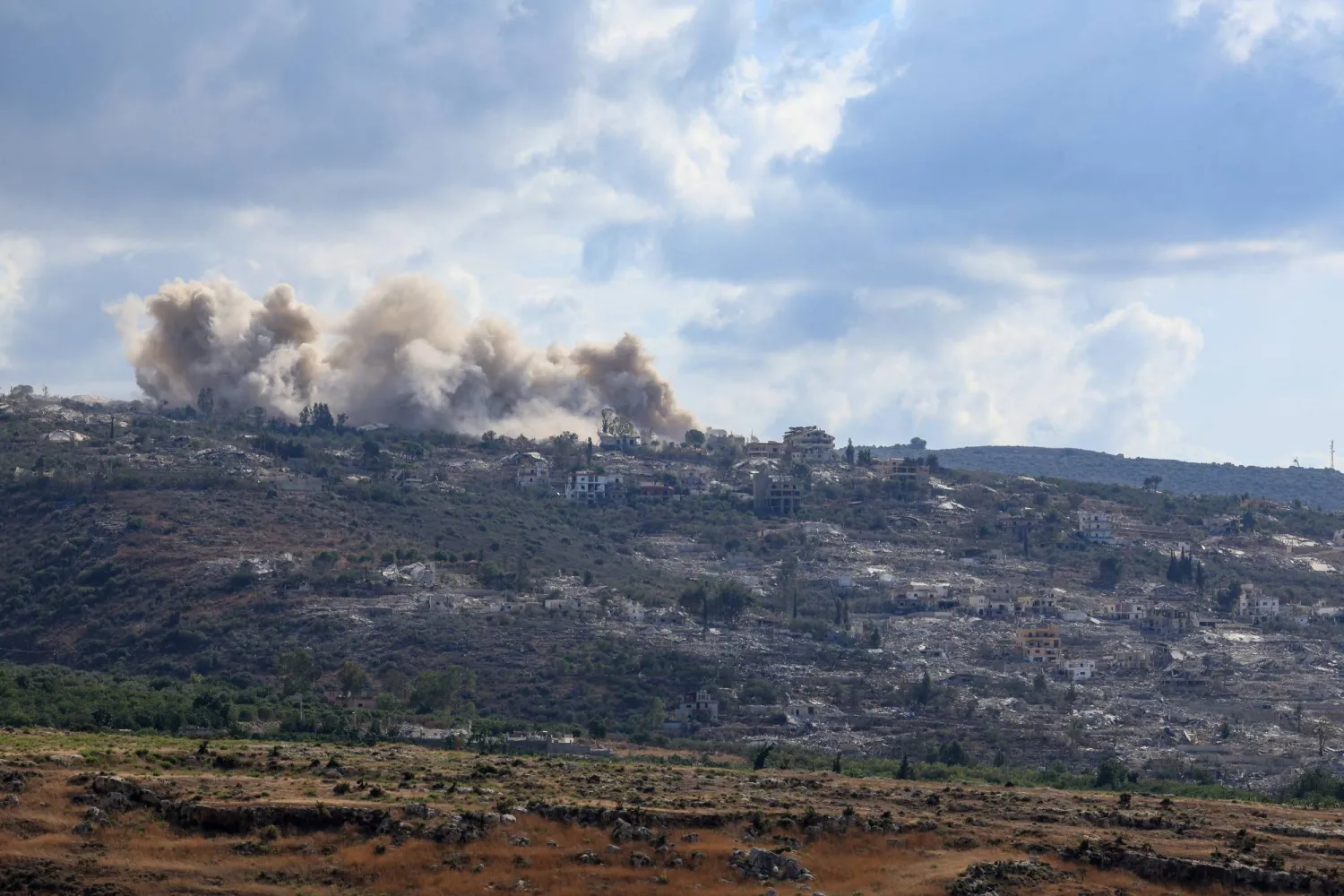
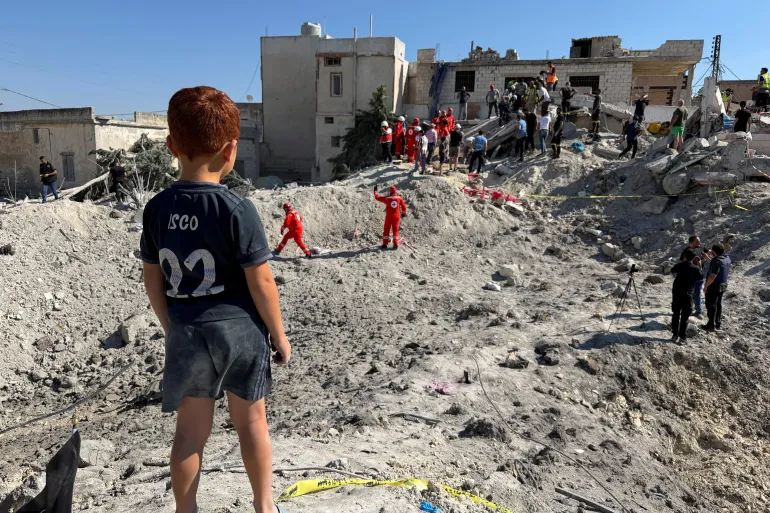
Statistics Lebanon reported that 67.4% of respondents in its September 2026 survey believed Hezbollah had either failed to achieve its objectives in the war with Israel or had achieved only some of them. This assessment of the group's performance coincided with internal efforts by the organization to provide financial assistance to civilians affected by the conflict. Hezbollah announced aid of up to $14,000 for eligible families in Beirut and its southern suburbs whose primary homes were destroyed. For families whose homes were destroyed in other areas, the organization set the aid limit at $12,000.
Public opinion regarding the group’s military status has fluctuated throughout the year. Data from a May 2026 survey conducted by Information International showed that 87.5% of Shiite respondents opposed disarming Hezbollah. Only 7.9% of those polled in the May survey supported the surrender of the group's weapons. These findings from earlier in the year provide a point of comparison for the sentiment recorded in September 2026.