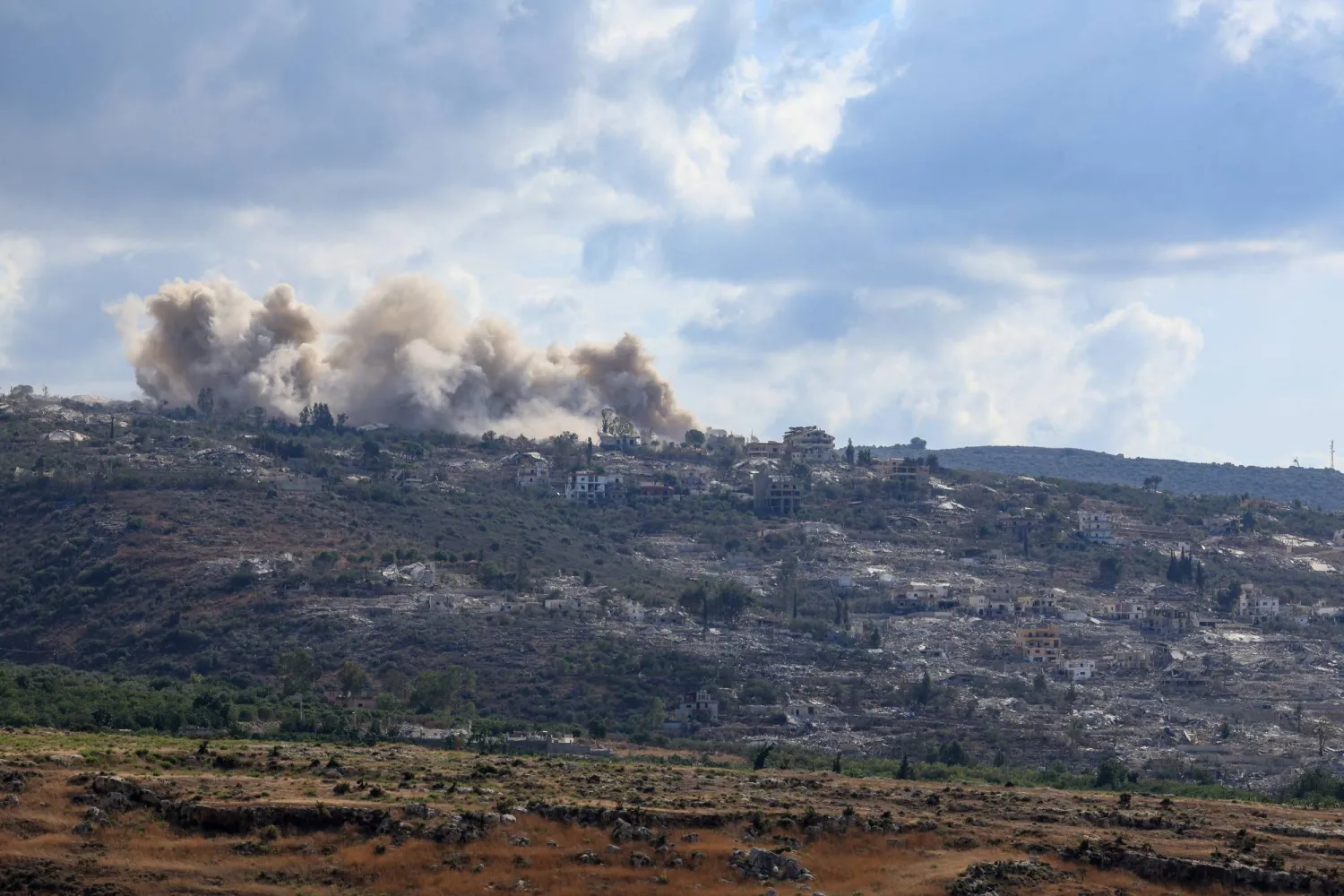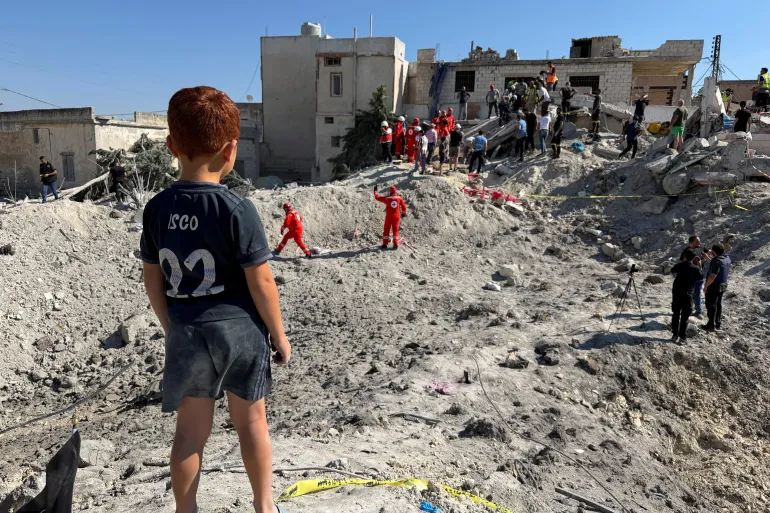
Israel is scheduled to hold its next election on 27 October 2026, amid a war on Lebanon that has killed almost 9,000 people since October 2023. Beirut residents remain skeptical that the ballot will alter the trajectory of the ongoing conflict. Fouad Debs, a Beirut resident and lawyer, stated, "I don’t think anything major – or at all – will change for Lebanon even if there’s a change in [Israeli] leadership." Karim Safieddine, a Beirut-based nonresident fellow at the Tahrir Institute for Middle East Policy, added that the political discourse in Israel offers little hope for residents in the south. "No one is promising withdrawal, and no one is addressing south Lebanon as a crisis or a mistake," Safieddine said.
Conflict History and Escalation
Israel escalated the conflict during two distinct periods, first in September 2024 and later in March 2026. These military actions intensified the ongoing hostilities, shaping the current security environment for those living in Lebanon. Karim Safieddine, a Beirut-based nonresident fellow at the Tahrir Institute for Middle East Policy, described the resulting environment as a state of indefinite instability. "Definitely, it’s a prolonged situation of neither war nor peace," Safieddine said. "We’re going to be living in this grey area for a very long time." The sequence of military engagements remains a primary concern for residents who view the upcoming electoral processes in Israel as disconnected from the realities of the fighting on the ground.
Public Sentiment and Diplomacy
A June 2026 survey conducted by the Lebanese American University revealed divided opinions regarding the path forward for the country. Data from the poll showed that 54 percent of Lebanese respondents supported diplomacy with Israel, while 35 percent favored continued armed resistance. Despite the willingness among some to pursue diplomatic channels, the sentiment toward the state remains largely negative. According to the same June 2026 survey, 87 percent of Lebanese polled identified Israel as their enemy. These findings reflect the complex public perception within Lebanon as the regional conflict continues to affect local populations. The results provide a snapshot of national opinion during a period of significant military activity.
Political Challenges and Leadership
Israel and Hezbollah have been engaged in active fighting since October 2023. Amid this ongoing conflict, the governments of Israel and Lebanon signed a US-brokered framework agreement in June 2026. This document aimed to establish a phased withdrawal of Israeli forces from Lebanese territory.
Gadi Eisenkot, the leader of the Yashar party, remains a primary challenger to Prime Minister Benjamin Netanyahu in the upcoming elections. Elia Ayoub, a Lebanese researcher and podcaster, noted that current candidates focus their platforms on the Prime Minister's performance rather than broader concerns. "Those that have come forward as candidates in Israeli elections criticise Netanyahu and his handling of the war," Ayoub said. "They’re not criticising him based on any kind of humanitarianism or anything [related to] human rights." Ayoub added that the political climate within Israel complicates prospects for meaningful policy shifts, stating, "There’s a profoundly dehumanising discourse that is completely normalised in Israeli society, and the backlash against any pushback is drastic."
Fouad Debs, a Beirut resident and lawyer, expressed doubt that the electoral process would produce substantive differences in policy toward Lebanon. "Any internal change might lead to small, insignificant changes just to show the outside world that Israeli society and politics are not messed up or evil," Debs said. The skepticism among residents persists as the military engagement continues, regardless of the potential for leadership changes following the 27 October 2026 ballot.