The United Nations Security Council voted in August 2026 to end the mandate of the United Nations Interim Force in Lebanon (UNIFIL). This decision formally concludes the mission's presence in the country. All UNIFIL personnel are scheduled to depart Lebanon no later than 31 December 2026. The withdrawal process will finalize the removal of international forces from the area.
The Scale of UNIFIL Presence
UNIFIL currently maintains a total strength of 7,565 members. These personnel originate from approximately 46 countries, each contributing resources and troops to the mission's operations in Southern Lebanon. The composition of this force reflects the multilateral nature of the United Nations deployment. International contributors have provided the necessary staffing to sustain these numbers during the mandate period. Following the Security Council decision to conclude the mission, these 7,565 individuals will begin their departure from the region. The exit of these members from the 46 countries marks the end of their deployment as international observers and security participants in the area. All personnel are expected to complete their withdrawal by 31 December 2026.
Fragile Ceasefire and Territorial Tensions
A ceasefire between Israel and Lebanon has been nominally in place since 16 April 2026. This agreement operates alongside the Blue Line, a 75-mile (120 km) demarcation line established by the United Nations in 2000 to confirm the Israeli withdrawal from Southern Lebanon. Reports indicate Israel is currently occupying over 10% of Lebanese territories. This occupation includes the construction and maintenance of multiple permanent bases and outposts within these areas. The presence of these military installations continues to affect the regional status quo as international forces prepare for departure. These territorial conditions persist as the mission mandate concludes, altering the security environment along the border zones between the two countries.
International Diplomatic Efforts and History
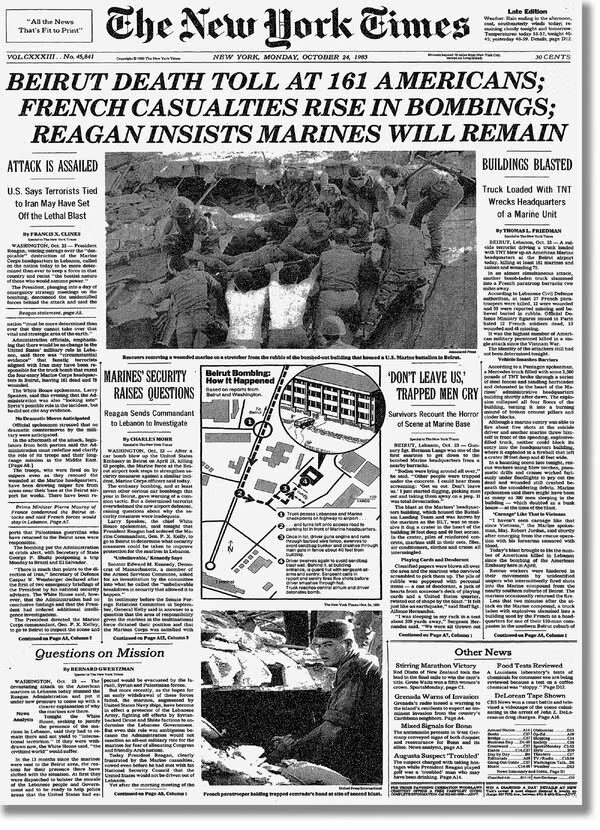
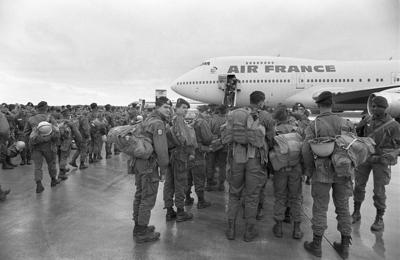
A suicide attack in Beirut on 23 October 1983 killed 241 American service members and 58 French paratroopers. This event serves as a historical reference point regarding international military involvement in the country. Decades later, French President Emmanuel Macron and Italian Prime Minister Giorgia Meloni announced an international coalition on 25 June 2026 to support Lebanon. This initiative aims to provide external backing as regional security dynamics shift. The coalition represents a diplomatic effort to address stability concerns ahead of the United Nations withdrawal. Italian and French leadership remain focused on the potential impact of the mission's conclusion on the broader security environment. These diplomatic actions follow the long-standing international engagement within Lebanon that began in the 1980s.