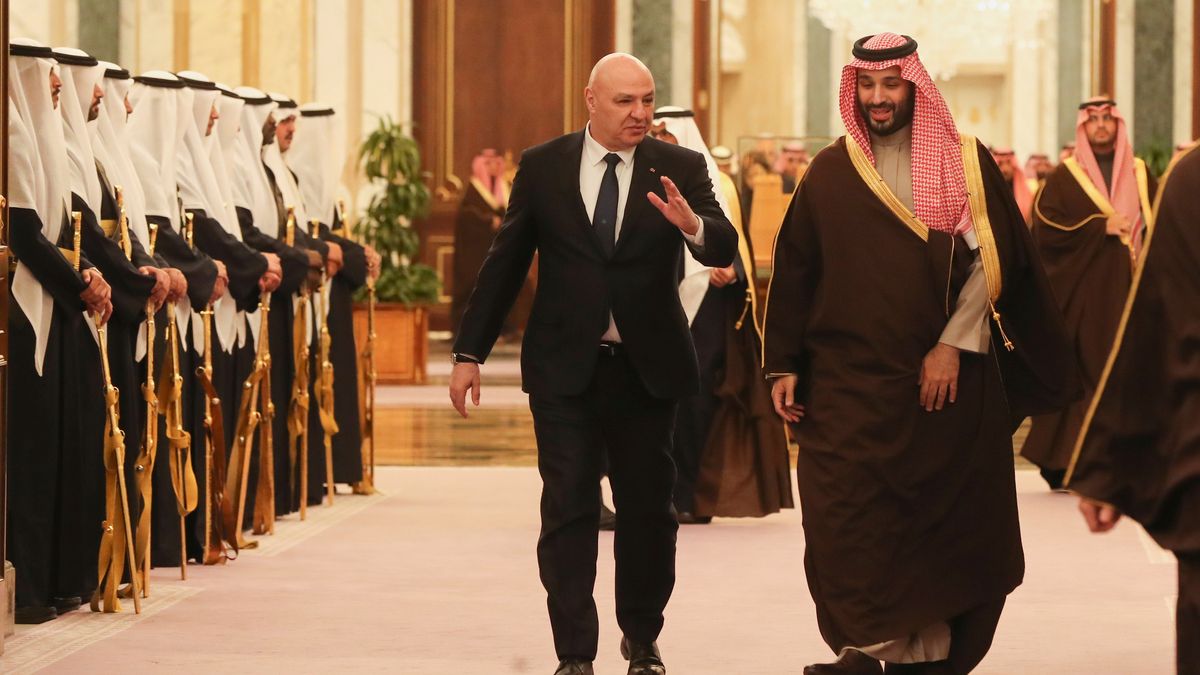
Saudi Arabia on Wednesday announced the lifting of a five-year ban on Lebanese imports, a move ordered by Crown Prince Mohammed bin Salman. The decision reverses a restriction initially imposed by Riyadh in 2021 amid a diplomatic dispute. The ban's lifting signals a potential improvement in relations between the two countries, which had been strained by various regional issues. Lebanese officials have long sought the removal of the embargo, which significantly impacted the country's struggling economy. The development follows efforts to de-escalate tensions and foster renewed cooperation in the region. Saudi Arabia announced Wednesday the end of a ban it imposed on Lebanese imports five years ago, marking a significant step in bilateral relations.
Ban's Origins and Expansion
The kingdom initially imposed a ban on Lebanese fruits and vegetables in 2021. This restriction was part of a broader diplomatic issue that escalated at the time. The ban on fruits and vegetables was specifically imposed in 2021, targeting a key sector of Lebanon's agricultural exports. Months after the initial measure, Saudi Arabia expanded the embargo to encompass all Lebanese products, further tightening trade relations between the two nations. This full ban significantly impacted Lebanon's struggling economy, which relies heavily on exports to Gulf markets for revenue and stability. The move by Riyadh in 2021 was a severe blow to Lebanon's economy, which was already facing substantial challenges.
Lebanon's Efforts and Economic Impact
Lebanon's economy was already reeling from a major financial crisis and the collapse of its currency when Saudi Arabia first imposed the import ban five years ago. The current government of Lebanon, which assumed office last year, has pledged to implement reforms aimed at stabilizing the country's dire economic situation. This government came to power last year with promises of reform, seeking to address both internal governance issues and external diplomatic relations. As part of these efforts, the Lebanese government has announced plans over the past year to disarm all non-state groups operating within the country, including Hezbollah. These initiatives show Beirut's attempts to address internal challenges and improve its international standing amid ongoing economic difficulties. The lifting of the Saudi ban offers a potential avenue for economic relief, providing a key opportunity for Lebanese producers to regain access to a vital market. This re-entry into the Saudi market could help alleviate some of the severe economic pressures faced by Lebanese businesses and the broader population.
Official Reactions and Future Hopes
Saudi Arabia's decision to lift the ban comes five years after its initial imposition. The ban was first enacted following an incident in which Saudi authorities announced they had seized over 5 million pills of the amphetamine drug Captagon. These illicit drugs were discovered hidden within a shipment of pomegranates originating from Lebanon. The incident at the time prompted a significant diplomatic and trade response from Riyadh, leading to the full import restrictions that have now been reversed. The reversal of the ban was specifically at the order of Crown Prince Mohammed bin Salman, noting the high-level nature of this diplomatic breakthrough. The lifting of these measures signals a potential shift in the bilateral relationship, opening doors for renewed trade and diplomatic engagement between Saudi Arabia and Lebanon. This development is seen as a positive step towards rebuilding trust and fostering a more cooperative relationship in the region.