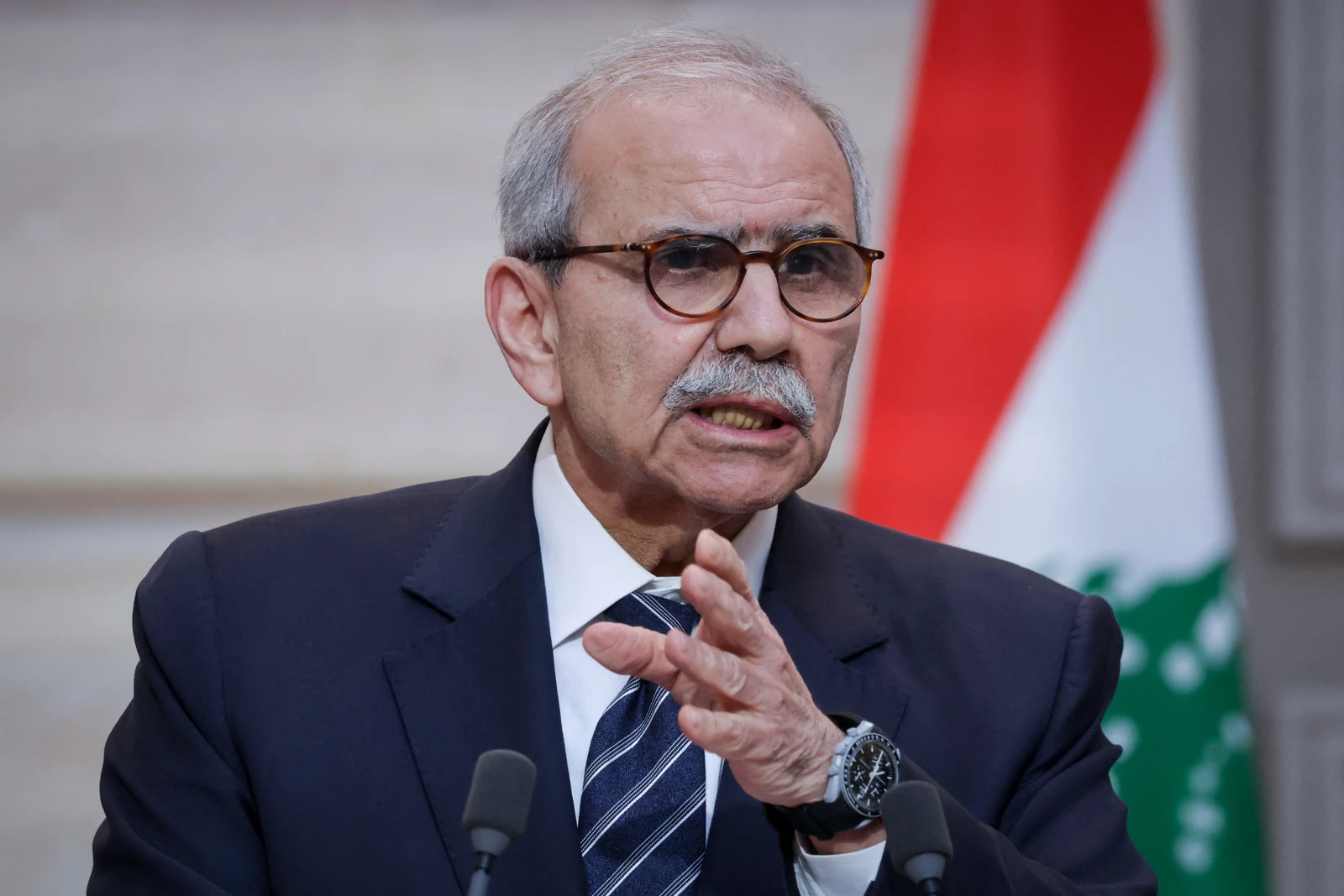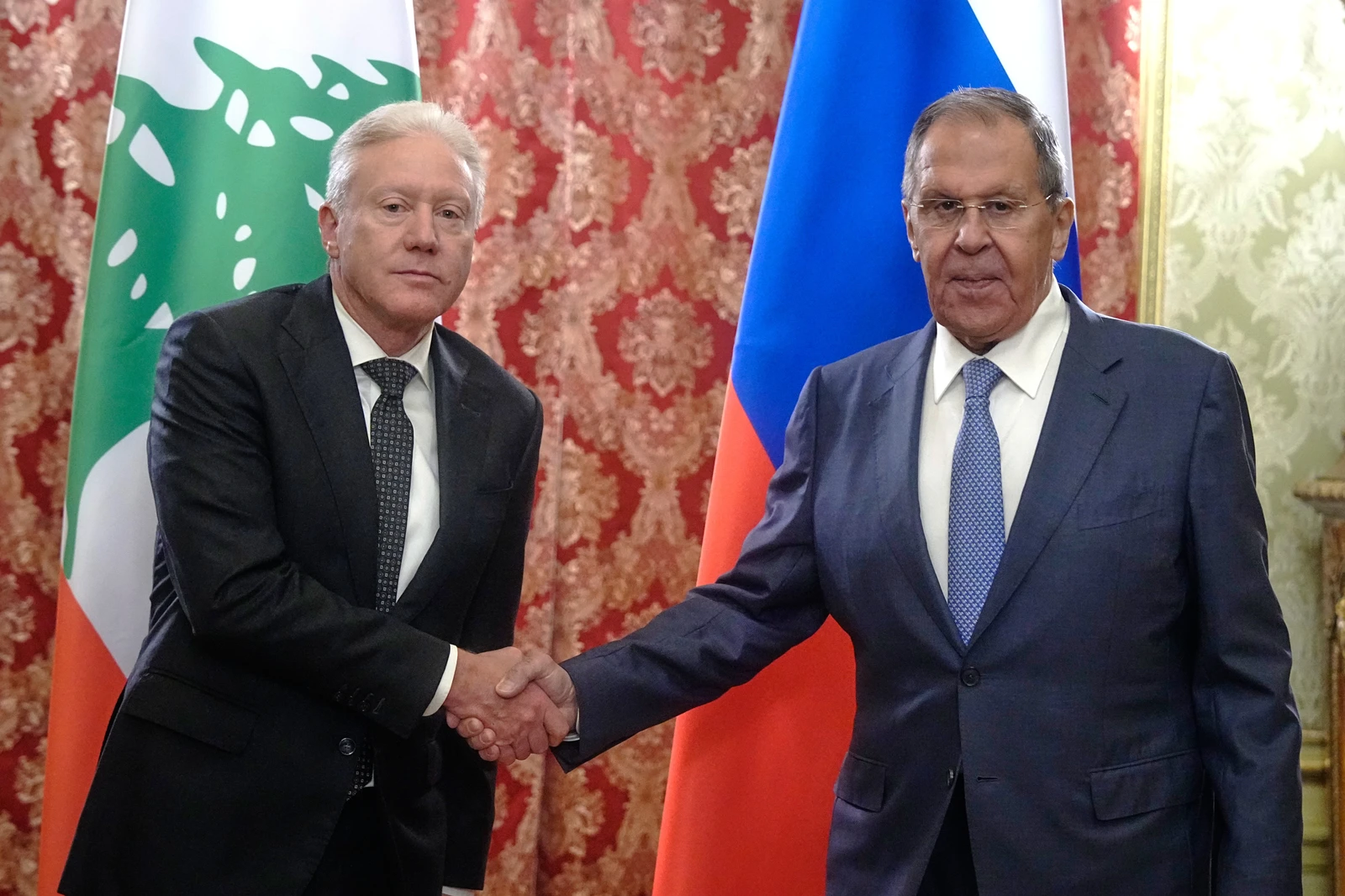
Russian Foreign Minister Sergey Lavrov met with Lebanese Foreign Minister Youssef Rajji in Moscow on October 12, 2026, to discuss the escalating conflict. Lebanon’s Health Ministry reports that 4,386 people have been killed and 12,424 wounded in the country since March 2, 2026. Addressing the humanitarian toll, Sergey Lavrov stated, "We have always been ready to support our Lebanese friends, including in the current situation. Almost 1 million Lebanese citizens have been seriously affected, with their rights violated, and the humanitarian situation in Lebanon remaining tense." Sergey Lavrov further noted, "In light of Israel’s ongoing actions in Lebanon, we reaffirmed the Russian Federation’s principled position in support of the sovereignty, unity and territorial integrity of the Lebanese Republic."
Diplomatic Talks in Moscow
Russian authorities previously delivered humanitarian assistance to Lebanon in April 2026. This operation occurred as part of a series of aid efforts directed toward the country earlier this year. Moscow utilized this prior mission to address immediate needs resulting from the ongoing instability. Officials in the Russian Federation maintained these supply lines to assist the affected population before the current intensification of the conflict. The delivery included essential goods intended to provide relief to residents in impacted areas. No further shipments were documented between that April effort and the discussions held in Moscow today.
Criticism of Military Actions
Israel and Lebanon signed a US-sponsored framework agreement on June 26, 2026. This accord focused on the withdrawal of Israeli forces from Lebanon and the deployment of the Lebanese army in the southern regions of the country. The document aimed to establish a security arrangement between the two nations following months of instability.
Diplomatic efforts in the region have historically relied on international mandates to manage security along the border. UN Security Council Resolution 1701 was established to end the 2006 war between Israel and Hezbollah. The resolution sought to create a buffer zone and address the presence of armed groups in areas south of the Litani River.
Current international supervision of the border remains tied to the presence of peacekeeping forces. The UN Interim Force in Lebanon (UNIFIL) mandate is scheduled to end on December 31, 2026. Following the expiration of this mandate, a withdrawal period of up to one year is planned for the mission. The transition of security responsibilities remains a central point of discussion for international stakeholders monitoring the conflict.