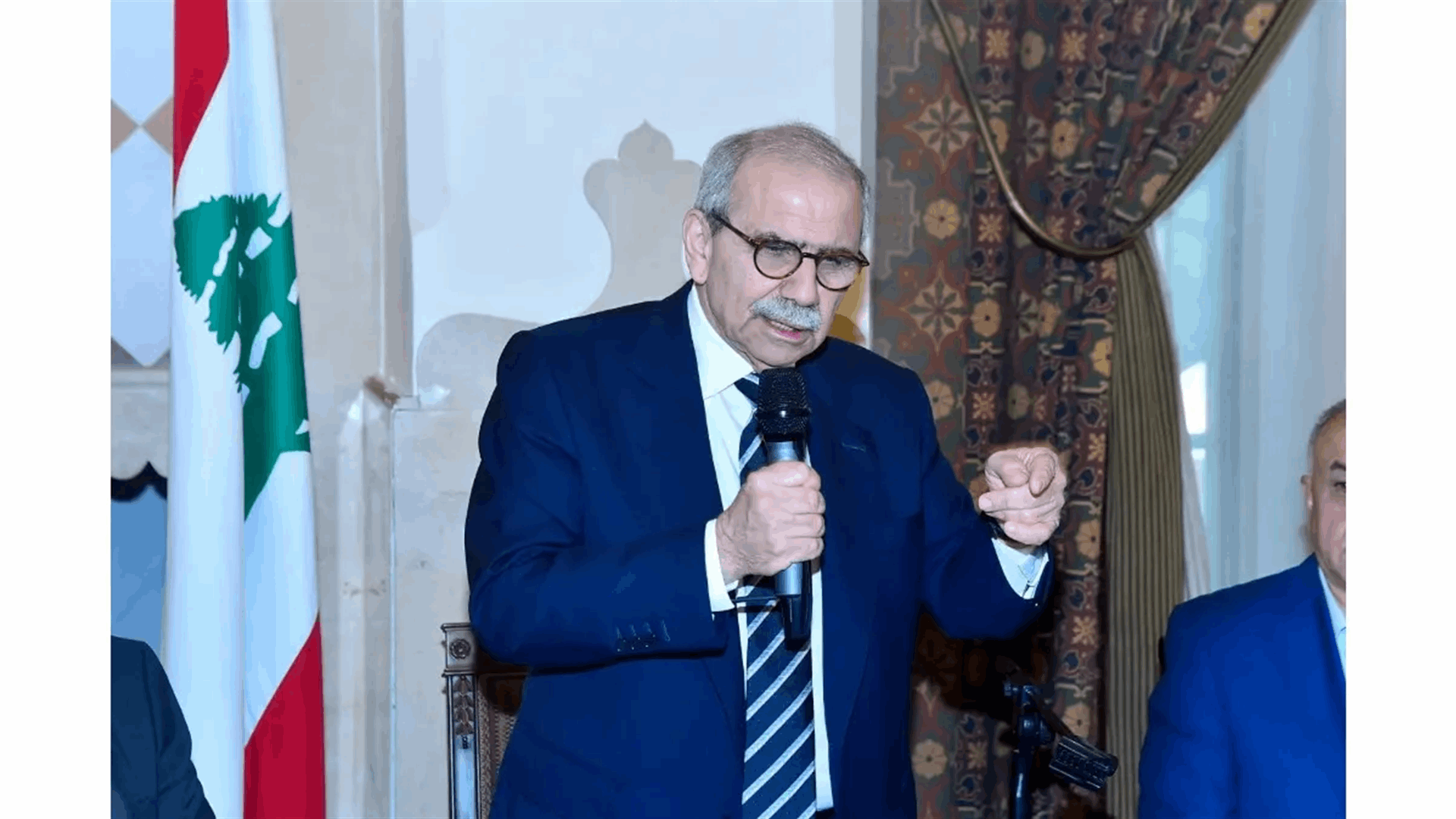
Prime Minister Nawaf Salam held the Lebanese state responsible for the public transportation crisis during an address on 23 October 2026. Speaking from the Grand Serail in Beirut, the Prime Minister identified a failure of governance as the primary driver behind the collapse of transit infrastructure across Lebanon. His remarks acknowledged that the daily mobility challenges faced by citizens in Tripoli, Sidon, Tyre, and Zahle stem from decades of administrative neglect. The government now faces pressure to develop a sustainable framework to address the lack of reliable services. Coordination with external partners, including the United Nations Development Program (UNDP), remains a central point of discussion as the administration seeks to manage the deteriorating state of national transport networks.
Origins of Transportation Neglect
Historical damage from the 1975-1990 civil war remains a foundational element of the current transit failures. Official assessments indicate that the conflict severely compromised national infrastructure, while the subsequent failure to establish an integrated transportation network prevented the necessary rehabilitation of these systems. This specific claim regarding the transportation crisis dating back to damage caused by the 1975-1990 civil war and the subsequent failure to establish an integrated transportation network serves as the basis for current government investigations into infrastructure degradation.
Financial analysts at the World Bank estimated approximately a decade ago that the transportation crisis was costing Lebanon more than $2 billion annually. This figure represented the economic burden resulting from the lack of functional public transit, which forced reliance on private vehicle use and contributed to significant productivity losses. The World Bank estimated about a decade ago that the transportation crisis was costing Lebanon more than $2 billion annually, a statistic that shows the long-term financial implications of the current infrastructure collapse.
The Ministry of Public Works and Transport organized a meeting titled 'Toward Developing Public Transport in Lebanon' at the Grand Serail to address these long-standing issues. Held in cooperation with the United Nations Development Program (UNDP), the event gathered officials to evaluate the state of national infrastructure. Participants at the session reviewed the operational gaps that have hindered the development of reliable transit services since the post-war period.
During the event, representatives from the Ministry of Public Works and Transport emphasized that the systemic issues identified by Prime Minister Nawaf Salam require immediate attention to prevent further economic decline. The dialogue focused on how the lack of an integrated network, which has persisted since the 1975-1990 civil war, continues to impact the daily lives of residents in Tripoli, Sidon, Tyre, and Zahle. By noting the $2 billion annual cost previously identified by the World Bank, the Ministry of Public Works and Transport illustrated the necessity of the proposed reforms. The United Nations Development Program (UNDP) remains committed to assisting the government in navigating these complex logistical hurdles, ensuring that any future framework considers the specific damage sustained by the nation’s transit corridors during the conflict years. The session concluded with a mandate to further investigate the historical failures that have prevented the establishment of a cohesive, modern, and reliable public transportation system for all citizens.