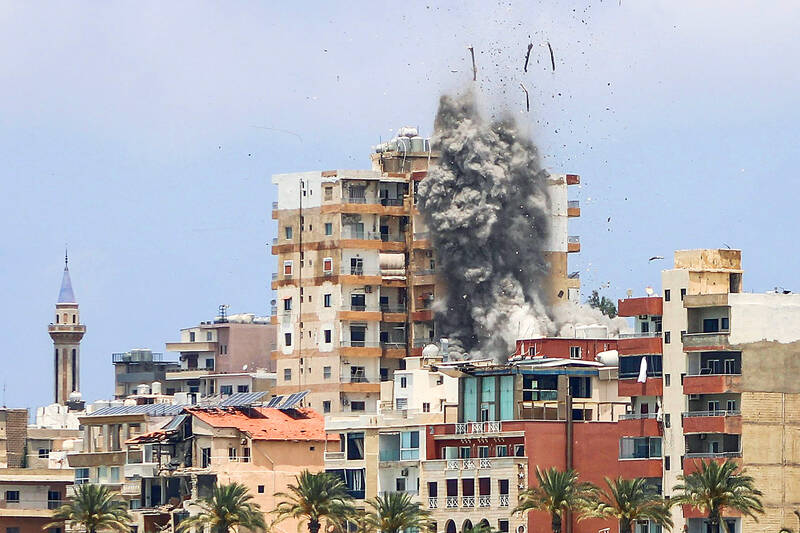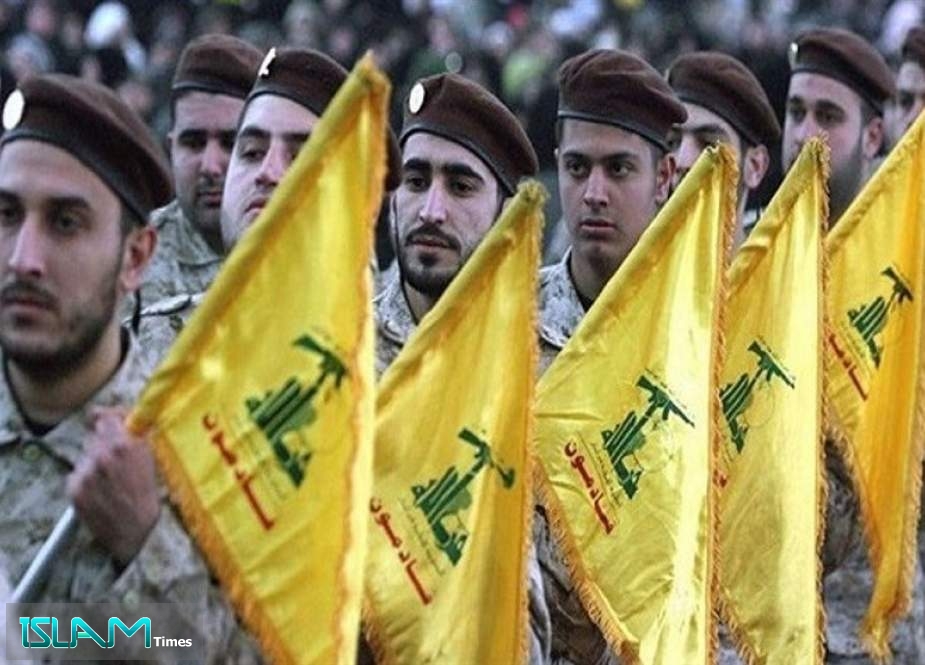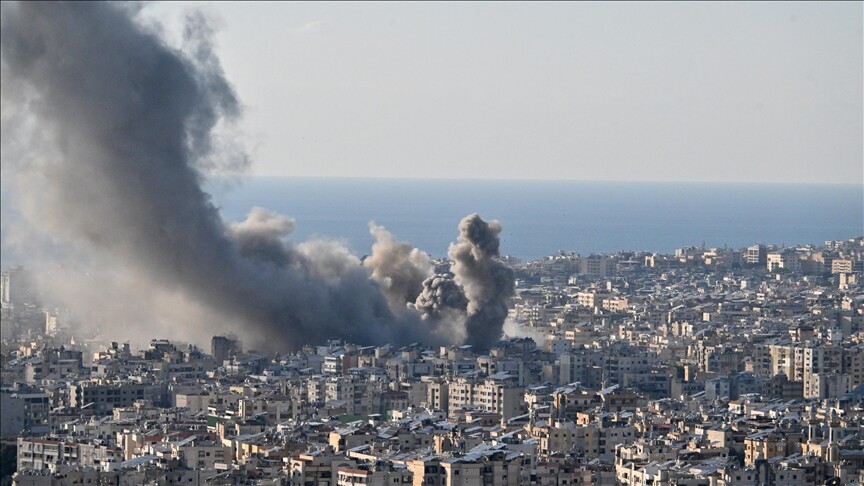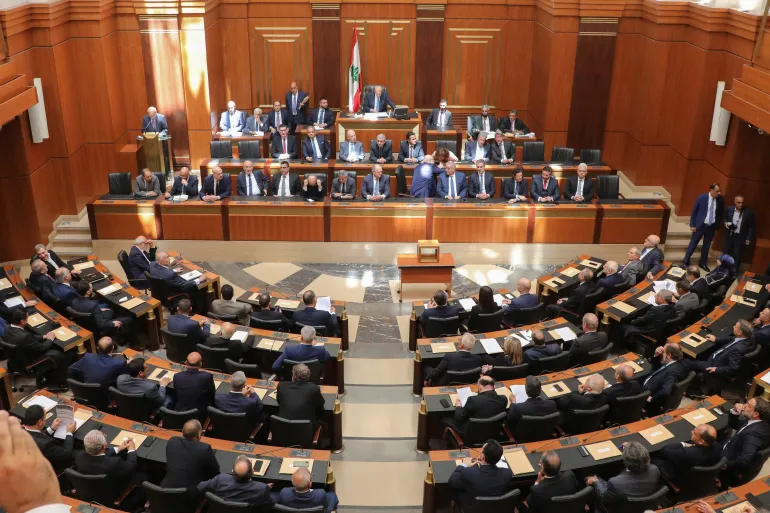
Hezbollah holds significant influence as Lebanon's most prominent and powerful political movement. This designation shows its widespread role across Lebanon's political, social, and military spheres, making it a critical actor to understand within the nation's complex governance. The Future Movement, another key political actor, formally established itself as a party in 2007. This party originated as a coalition in 1995, founded by the late Prime Minister Rafik Hariri, reflecting a trajectory from a broad alliance to a structured political entity within the country's complex political landscape. The formation of the Future Movement under Rafik Hariri marked a significant moment in post-civil war Lebanese politics, aiming to consolidate influence and provide a unified political front. Its evolution from a coalition to a formal party in 2007 demonstrated an institutionalization of its political presence and objectives, further shaping the multi-faceted political environment.
Roots of Division
The Progressive Socialist Party was established in 1949 by Kamal Jumblatt, making it one of Lebanon's historically significant political organizations. Its founding predates many of the contemporary political alignments and conflicts, establishing a legacy within the country's political evolution. Hezbollah was formed in 1982 amidst the Lebanese Civil War, which spanned from 1975 to 1990, and during the subsequent Israeli occupation of southern Lebanon, lasting from 1982 to 2000. This timing placed its origins squarely within a period of intense national strife and foreign intervention. The group's formation during these tumultuous years profoundly shaped its identity and objectives, positioning it as a resistance movement against occupation. Hezbollah remained the sole militia not to officially disarm following the civil war's conclusion, a status that has profoundly influenced Lebanon's internal security dynamics and its relationship with international actors. This unique position allowed it to maintain an independent military capacity, setting it apart from other factions that laid down arms after the conflict.
The Lebanese Forces emerged during the civil war under the leadership of Bashir Gemayel. This Christian militia played a significant role in the conflict, representing a distinct political and military force. Bashir Gemayel was controversially elected as Lebanon’s president in 1982 but was tragically assassinated before he could assume office, a key event that sent shockwaves through the nation and altered its political trajectory. The Lebanese Forces originated from the Kataeb Party, which was founded by Gemayel’s father, Pierre. This lineage notes the deep-rooted family and ideological connections within Lebanon's political landscape, where parties often reflect dynastic influences and sectarian affiliations. The Kataeb Party, established earlier, provided the foundational ideology and organizational structure from which the Lebanese Forces later emerged during the civil war.
In 1977, Kamal Jumblatt, the founder of the Progressive Socialist Party, was reportedly assassinated on the orders of Hafez al-Assad, a contentious event with lasting implications for Lebanese-Syrian relations and internal politics. This assassination showed the dangerous interplay of regional powers and domestic political rivalries in Lebanon. After returning to Lebanon in 2005, following years in exile, Michel Aoun allied with Hezbollah and Amal to establish the March 8 Alliance. This alliance marked a significant realignment of political forces, bringing together diverse factions under a common banner and creating a powerful bloc within Lebanese politics. The formation of the March 8 Alliance demonstrated a strategic partnership between Christian and Shia political entities, reshaping the country's political divisions and alliances.
Major Political Forces
The Lebanese Forces (LF) is currently the largest Christian party represented in Lebanon’s parliament, reflecting its significant electoral base and influence within the Christian community. This position grants it considerable leverage in government formation and policy-making. The Lebanese Forces currently holds four ministerial positions within the Lebanese government, indicating its active participation in the executive branch and its ability to secure key portfolios.
Hezbollah, a significant political and military force, receives funding from the Islamic Republic of Iran and maintains close ties with the Islamic Revolutionary Guard Corps (IRGC). This financial and strategic backing from Iran is a key component of Hezbollah's operational capacity and its regional influence, enabling it to sustain its military wing and political activities. Hezbollah played a key role in the expulsion of Israel from Lebanese territory in 2000, an event that significantly bolstered its image as a resistance movement within Lebanon and the broader Arab world. This achievement cemented its status as a formidable military actor. Years later, Hezbollah engaged in a notable war against Israel in 2006, a conflict that further showcased its military capabilities and its strategic importance in regional geopolitics. More recently, Hezbollah has launched attacks in solidarity with Palestinians in Gaza since October 2023, demonstrating its continued commitment to regional causes and its role as a non-state actor with significant military reach. Hezbollah's longtime leader, Hassan Nasrallah, was killed in 2024. Following the fall of Bashar al-Assad in Syria, the Lebanese government initiated efforts aimed at disarming Hezbollah. This move noted the complex challenges the Lebanese state faces in asserting its authority over armed groups within its borders, particularly one as powerful and entrenched as Hezbollah.
Saad Hariri, the son of the late Rafik Hariri, leads the Future Movement, continuing a dynastic tradition within the party. His leadership maintains the Hariri family's prominent role in Lebanese Sunni politics. In 2026, Saad Hariri announced the Future Movement's intention to return to politics for the next parliamentary elections, signaling a potential resurgence of the party's active participation after a period of reduced engagement. This announcement sets the stage for future electoral contests and could reshape the political landscape. The Future Movement's historical roots as a coalition founded by Rafik Hariri in 1995, before formalizing as a party in 2007, illustrate its evolution and enduring presence.
Shia and Christian Alliances
The Amal Movement is a predominantly Shia Muslim party and a key ally of Hezbollah, forming a powerful and often coordinated bloc within Lebanon's political system. This alliance is fundamental to the political dynamics of the Shia community and exerts considerable influence over national decision-making. Nabih Berri has led the Amal Movement since 1980, providing decades of consistent leadership to the party. He has also served as the country’s parliament speaker since 1992, making him one of the longest-serving and most influential political figures in Lebanon. His dual role as party leader and parliamentary speaker grants him significant institutional power and a central position in Lebanese politics. The Amal Movement currently holds two ministerial positions within the Lebanese government, ensuring its representation in the executive branch and its ability to influence policy.
The Free Patriotic Movement (FPM) was founded in 1994 by former President Michel Aoun. The establishment of the FPM provided a significant political platform for Michel Aoun and his supporters, particularly within the Christian community, after his return to Lebanon. Gebran Bassil, who is Michel Aoun's son-in-law, currently leads the FPM, continuing the familial leadership trend seen in other Lebanese parties. Gebran Bassil is presently under US sanctions for corruption, a situation that has drew international attention and adds a layer of complexity to the FPM's political standing and its leader's reputation. Although the FPM has members in Parliament, reflecting its electoral success and popular support, it currently does not hold any ministerial positions in the government. This absence from the cabinet marks a shift in its governmental role compared to previous periods where it often held significant ministerial portfolios, influencing the balance of power within the current administration.
Enduring Sectarian Influence
Walid Jumblatt led the Progressive Socialist Party until 2023, when he transferred leadership to his son, Taymour Jumblatt. This transition marked a generational shift within the party's leadership, passing the mantle of one of Lebanon's most prominent Druze political families to the next generation. The Progressive Socialist Party's founding by Kamal Jumblatt in 1949 established its historical roots and its enduring role in Lebanese politics. Kamal Jumblatt's assassination in 1977 further solidified the party's narrative and the challenges faced by its leadership. The Progressive Socialist Movement holds two ministerial positions in the current Lebanese government, ensuring its continued participation in the executive branch and its ability to represent its constituents' interests at the highest levels of governance. This representation shows the ongoing influence of the Jumblatt family and the Progressive Socialist Party in Lebanon's sectarian power-sharing system.
The intricate web of parties and alliances, often built around sectarian lines and powerful families, continues to define Lebanon's political landscape. The historical trajectories of groups like Hezbollah, the Future Movement, the Lebanese Forces, Amal, the FPM, and the Progressive Socialist Party illustrate a nation grappling with the legacies of civil war, foreign intervention, and the persistent challenge of national unity amidst deep-seated divisions. The ongoing efforts by the Lebanese government to address issues such as the disarmament of Hezbollah, alongside the political maneuvering of established parties and emerging alliances, highlight the continuous evolution and inherent fragility of Lebanon's political system. The interplay between these powerful entities, their historical grievances, and their future aspirations remains central to understanding the country's trajectory.