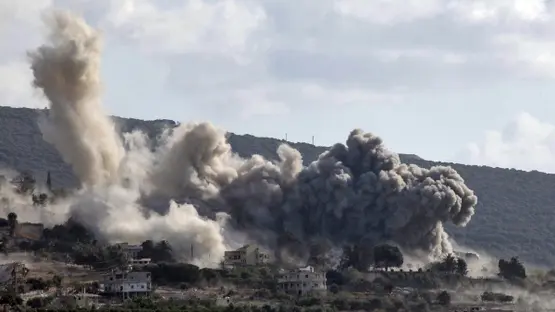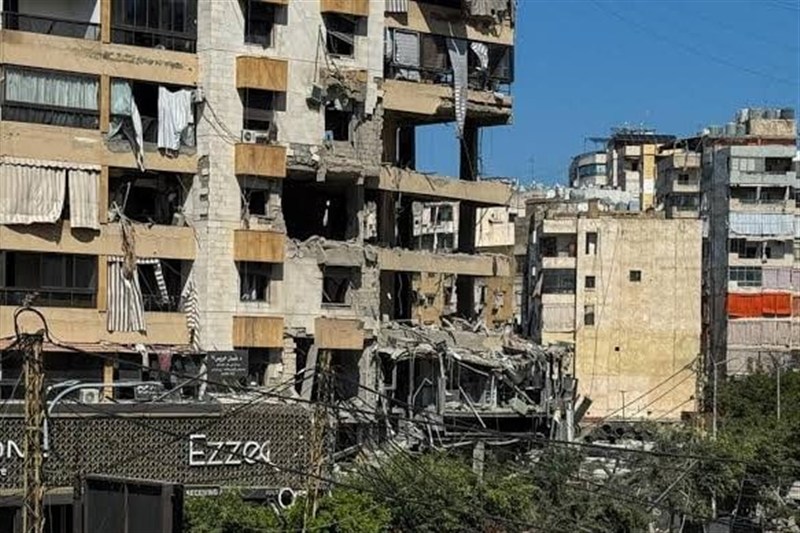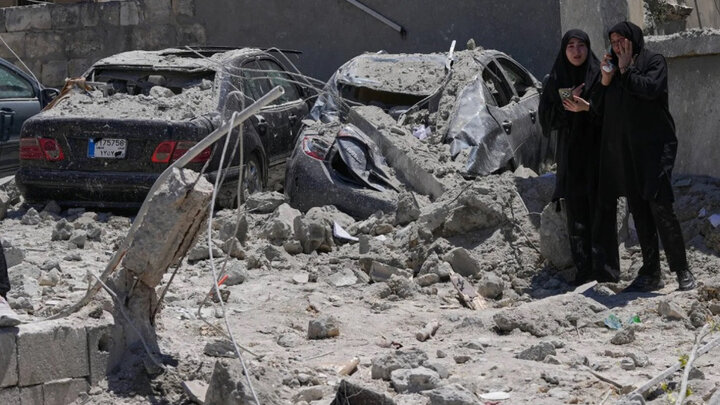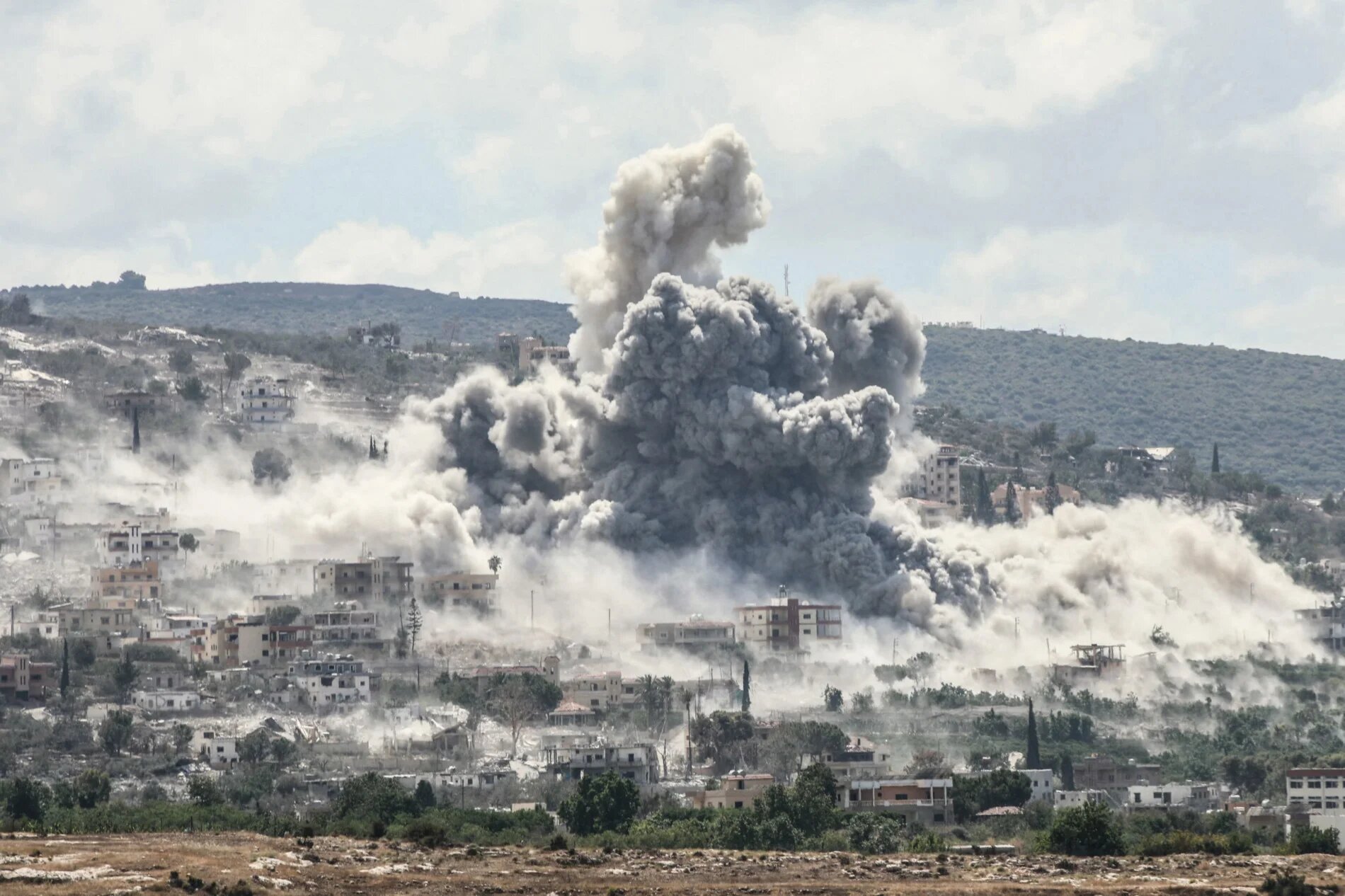
Lebanon's Health Ministry reported that Israeli attacks across the country have resulted in 4,362 deaths and 12,378 injuries since March 2. The ministry provided these figures detailing the casualties from the ongoing assaults, showing the severe human cost of the sustained military operations. These official statistics offer a grim picture of the conflict's impact on the Lebanese population, reflecting a continuous escalation in the number of victims.
Escalating Casualties Detailed
The Health Ministry in Lebanon has documented a significant rise in fatalities and injuries stemming from Israeli military operations. The updated figures reflect the cumulative impact of these ongoing assaults across various regions of the country, indicating a widespread effect on civilian areas. Officials within the ministry have continued to compile and release detailed reports on the human toll, emphasizing the sustained nature of the conflict and its devastating consequences. These reports serve to provide a full overview of the casualties as the situation evolves, noting the persistent challenges faced by medical and humanitarian services. The data shows the severe humanitarian consequences for the civilian population in Lebanon, with thousands killed and many more wounded. Authorities are closely monitoring the situation and updating statistics regularly to reflect the latest developments on the ground, ensuring that the scale of the crisis is accurately represented. The consistent reporting aims to draw attention to the urgent need for stability and protection for civilians caught in the crossfire.
Ceasefire Amidst Occupation
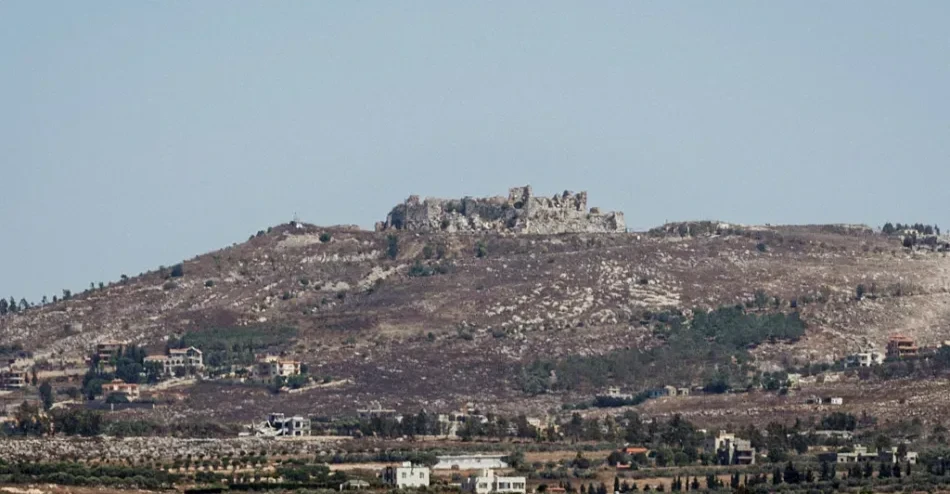
Israel has maintained its bombing campaign in Lebanon and continues to occupy portions of its territory, despite a ceasefire agreement that initially took effect on April 17 and was subsequently renewed on June 26. This continuation of military activity and occupation occurs even as international efforts have sought to de-escalate the conflict through established truces. Before the truce was established, Israeli forces had seized approximately 2,000 square kilometers (770 square miles) of Lebanese land. This substantial area represented about one-fifth of Lebanon's total territory, marking a significant territorial shift prior to the ceasefire. Even with the ceasefire in place, a buffer zone created by the occupation still encompasses roughly six percent of the country. This ongoing occupation and the presence of Israeli forces within Lebanese borders remain a point of contention and a source of continued instability, complicating efforts to fully implement the ceasefire terms and restore normalcy to affected regions. The persistent military presence and intermittent bombardments contribute to the volatile security situation.
Continued Conflict Impact
The ongoing conflict has led to significant displacement, with Lebanese authorities reporting that over 90,000 people have been forced from their homes in southern Lebanon. This mass displacement has created a humanitarian crisis, as these individuals seek safety and basic necessities away from the conflict zones. Many of these individuals have sought refuge in temporary shelters or with relatives in safer areas further north, straining resources in host communities. The continuous Israeli military actions have severely disrupted daily life and essential services in affected regions, including access to education, healthcare, and infrastructure. Humanitarian organizations operating in Lebanon have expressed concern over the escalating needs of the displaced population, including access to food, water, and medical care, which are often scarce. The persistent instability continues to challenge efforts to provide aid and support to those impacted by the violence, making relief operations difficult and dangerous. The long-term implications of such widespread displacement and destruction are a growing concern for Lebanese authorities and international aid agencies alike.